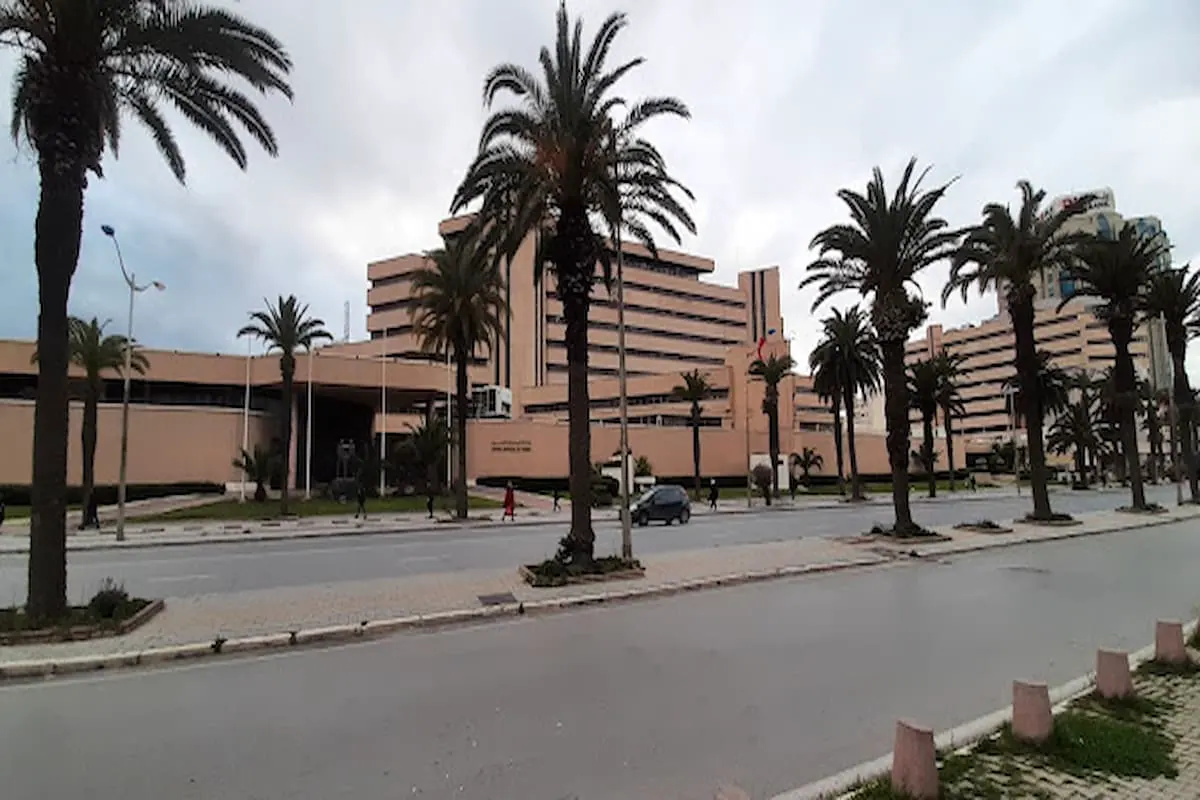
The Central Bank of Tunisia (BCT) has decided to keep its key interest rate unchanged at 7%, as announced on October 7, 2026. This decision comes as the country faces rising inflation, which increased to 5.6% in September from 5.4% in August. The surge in inflation is largely attributed to the rising costs of fresh food products, which have increased by 13% over the past year.
The BCT has cited the increase in international energy prices as a major factor influencing its decision. Tunisia's energy bill has risen to 11.3 billion dinars as of August, up from 8.8 billion dinars in the same period last year. This increase has put pressure on the country's balance of trade, with the current deficit widening to 4.694 billion dinars, or 2.5% of the country's GDP.
Despite the challenges, the BCT has noted that the country's foreign exchange reserves have remained stable at 23.7 billion dinars, enough to cover 92 days of imports. However, this is down from 104 days in the same period last year. The central bank has emphasized the need to preserve these reserves, particularly by managing the energy deficit.
The country's economic growth has slowed down to 2.3% in the second quarter, down from 2.6% in the first quarter. This decline is attributed to a slowdown in industrial activity. The BCT has warned that if energy prices remain high, the country's economic maneuvering room could be reduced, and vulnerabilities could increase.
To address these challenges, the BCT has pledged to continue monitoring prices, demand, banking liquidity, and external balances. The central bank has also stated that it is prepared to take action to bring inflation back to sustainable levels. This includes maintaining a close watch on the inflation rate, which has been driven by rising energy and food costs.
The BCT's decision to keep interest rates unchanged has been seen as a cautious move, given the current economic conditions. The central bank has noted that it will continue to prioritize price stability and maintain a close watch on the country's economic performance. This approach aims to mitigate the impact of external shocks and ensure a stable economic environment.
The country's unemployment rate stands at 622,400, with concerns about the impact of high inflation and energy costs on the economy. The BCT's efforts to maintain economic stability and control inflation will be crucial in addressing these challenges and promoting sustainable economic growth.
Key points
- The Central Bank of Tunisia maintains its key interest rate at 7% amid rising inflation and energy costs.
- The country's inflation rate has increased to 5.6% in September, driven by rising food and energy costs.
- The BCT has pledged to continue monitoring economic conditions and take action to bring inflation back to sustainable levels.