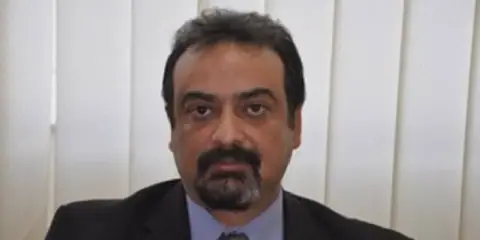
Professor Joseph Amoako, President of the Ghana Association of Radiation Professionals (GARP), has emphasized the need for stronger safety systems and trained professionals to mitigate potential risks associated with radiation sources. He made this call at the maiden Non-Ionizing Radiation Symposium, organized by GARP, as part of activities marking the 2026 Radiation Protection Week. The symposium's theme was "Radiation Safety: Protecting the Public, Patients, Workers, and the Environment."
Prof. Amoako explained that radiation is a form of energy classified into ionizing and non-ionizing forms. Ionizing radiation has sufficient energy to affect human cells and DNA, while non-ionizing forms have lower energy but can produce heating and other effects in biological tissues. He cited common sources of radiation, including mobile phones, microwave ovens, antennas, visible light, lasers, and Magnetic Resonance Imaging (MRI) devices, which have become integral to modern life.
The GARP President noted that concerns about mobile phones and other electronic devices, particularly claims linking them to cancer and other diseases, underscore the need for public education based on scientific evidence. He stressed that the symposium aimed to provide accurate information, address misconceptions, and enable experts to respond to public concerns. Prof. Amoako also advocated for the training of competent health physics and safety professionals to work in various industries, including mining, telecommunications, and healthcare facilities.
Prof. Amoako called for a strong licensing regime to ensure that practitioners have the requisite knowledge and experience to perform their duties safely. He also urged the development of a well-defined and streamlined legal and regulatory framework covering the use of both ionizing and non-ionizing sources. This framework would help protect workers, patients, and members of the public who might be exposed to such sources in healthcare facilities and public spaces.
Dr. Roland Yaw Kudozia, Head of Resource Market, Access and Compliance at the National Communications Authority (NCA), emphasized the need for increased public education, continuous testing, and scientific research to address concerns about radiofrequency emissions from telecommunications infrastructure and devices. He noted that wireless communication relies on radio waves, with mobile phones connecting to base stations through specific portions of the radiofrequency spectrum.
Dr. Kudozia mentioned that the NCA works with the Ghana Standards Authority and industry stakeholders to establish common technical standards, while imported mobile phones undergo approval processes to ensure compliance with minimum safety specifications. He stressed the importance of transparent communication of measurements and public education based on scientific evidence to help consumers understand safe exposure levels.
The Radiation Protection Week activities aim to promote radiation safety and awareness in Ghana. Key stakeholders, including radiation professionals, policymakers, and industry experts, are expected to engage in discussions and develop strategies to enhance radiation safety measures in the country. The GARP's efforts seek to ensure that the benefits of emerging technologies are accompanied by appropriate measures to address concerns about their potential health effects.
Key points
- Radiation professionals in Ghana are calling for stronger safety measures and training to protect workers, patients, and the public from radiation risks associated with emerging technologies.
- The Ghana Association of Radiation Professionals is advocating for a strong licensing regime and a well-defined regulatory framework to ensure safe use of radiation sources.
- Public education and scientific research are essential to address concerns about radiofrequency emissions from telecommunications infrastructure and devices.