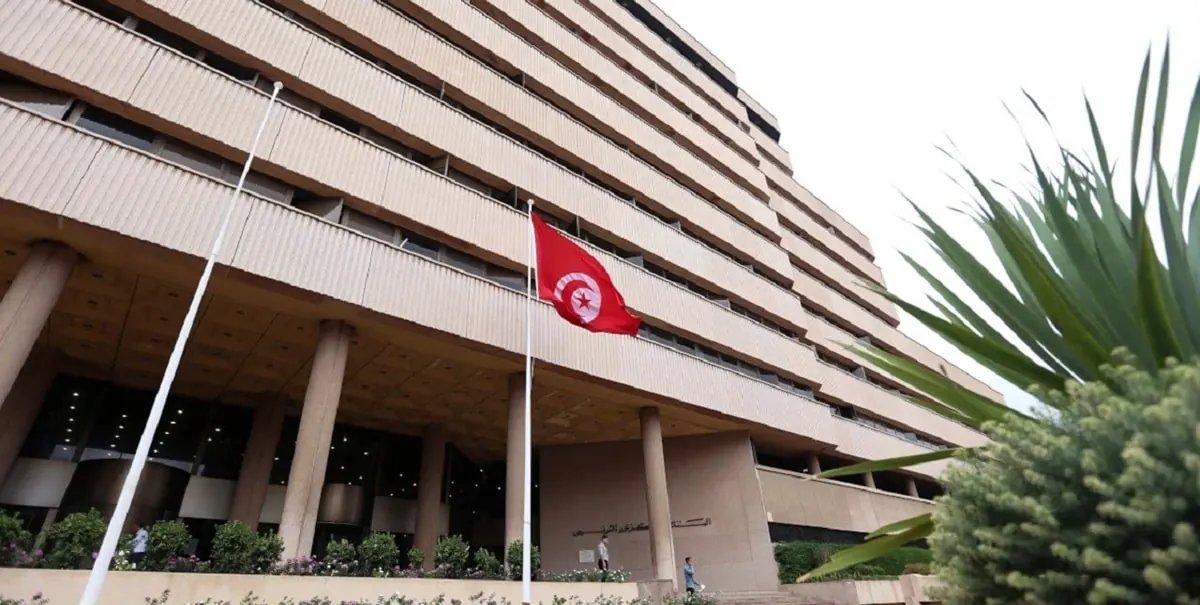
The Central Bank of Tunisia (BCT) has decided to keep its key interest rate unchanged at 7%. This decision was made during a meeting of the bank's board of directors on October 7. Despite this stability in monetary policy, Tunisia faces a complex economic situation. Inflation is on the rise, the energy bill is increasing, the current deficit is widening, and foreign exchange reserves are declining.
Inflation in Tunisia reached 5.6% in September 2026, up from 5.4% in August. The main driver of this increase is the cost of fresh food products, which rose by 13% over the past year, compared to 11.7% the previous month. However, core inflation, which excludes fresh food and products with controlled prices, remained stable at 5.1% for the third consecutive month. The BCT notes that this resurgence in inflation occurs in an environment where inflationary pressures are no longer solely internal.
The increase in global energy prices poses an additional risk to Tunisia's economic outlook. The country's energy import bill has significantly increased, reaching 11.3 billion dinars by the end of August 2026, up from 8.8 billion dinars during the same period in 2025. This represents a 28% increase. As a result, the current deficit widened to 4.694 billion dinars, or 2.5% of GDP, compared to 2.724 billion dinars and 1.6% of GDP a year earlier.
The surge in energy imports has also impacted Tunisia's foreign exchange reserves. As of October 6, the country's net foreign exchange reserves stood at 23.7 billion dinars, equivalent to 92 days of imports. This is down from 24.3 billion dinars and 104 days of imports a year ago. The BCT emphasizes the need to maintain an adequate level of reserves, particularly by controlling the energy deficit.
Tunisia's economic growth is also showing signs of slowing down. In the second quarter of 2026, the country's GDP growth rate was 2.3% compared to the same period a year earlier. This is down from 2.6% in the first quarter, largely due to a decline in industrial activity. The BCT faces multiple challenges, including containing price pressures, preserving external balances, and avoiding further weakening of an already less dynamic growth.
The BCT's decision to maintain the key interest rate at 7% reflects a cautious approach to managing these risks. The bank warns that a sustained increase in global energy prices at high levels could significantly reduce the economy's room for maneuver and exacerbate its economic and financial vulnerabilities. The BCT will continue to closely monitor prices, demand, banking liquidity, and external balances, and stands ready to intervene if necessary.
The central bank's actions will be crucial in navigating Tunisia's economic challenges. With inflationary pressures and energy costs on the rise, the BCT's policy decisions will play a key role in maintaining economic stability. The bank's commitment to monitoring the situation and intervening as needed provides some reassurance, but the road ahead will likely be complex and challenging.
Key points
- The Central Bank of Tunisia maintains its key interest rate at 7% amid rising inflation and energy costs.
- Inflation in Tunisia reached 5.6% in September 2026, driven by the cost of fresh food products.
- The country's energy import bill increased by 28% in 2026, contributing to a wider current deficit.