The World Bank has forecast a 4.3% decline in the economies of the six Gulf Cooperation Council nations this year. This downturn is attributed to the ongoing impacts of the war in Iran on trade and business in the region. The bank's prediction encompasses various sectors beyond oil, indicating that some gas deliveries are still occurring despite the conflict.
Rising oil prices have not offset the reduction in export volumes, negatively affecting production and government revenues. According to provisional data from Kpler, Middle Eastern crude exports surpassed pre-war levels on 14 days in September. These shipments included oil transported through the Strait of Hormuz as well as alternative routes.
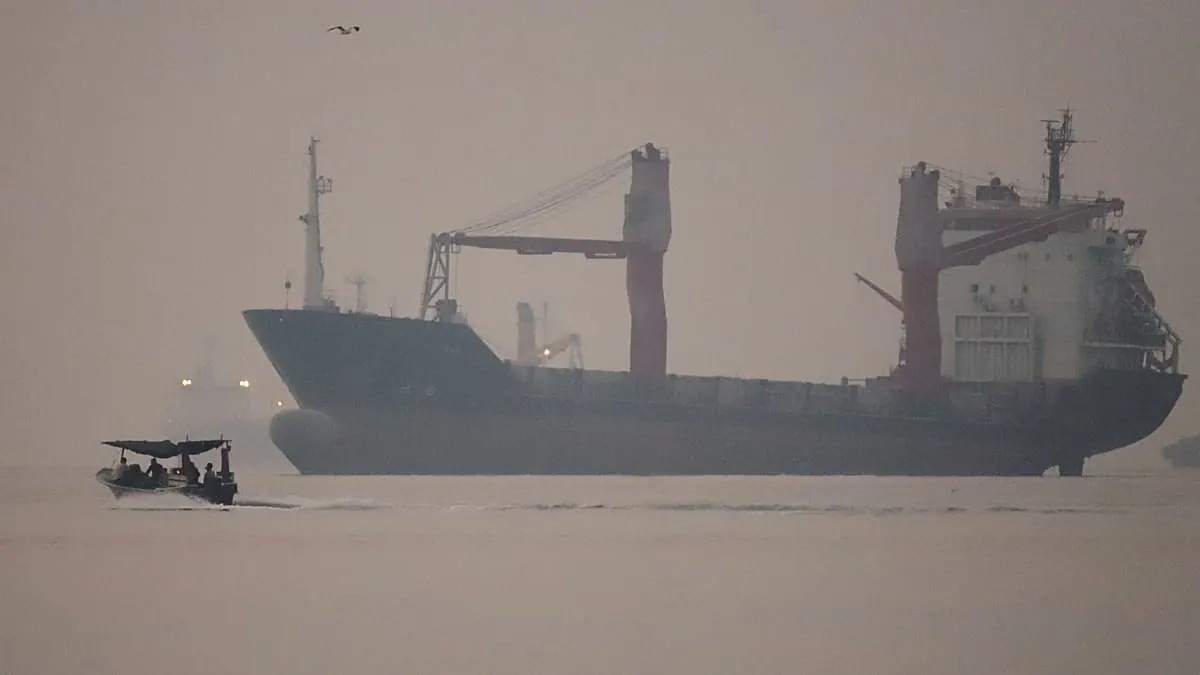
The World Bank's forecast comes as some gas deliveries continue to occur. On 2-3 October, four vessels carrying Qatari liquefied natural gas (LNG) were reported near Hormuz. Italian energy company Edison announced on 28 September that QatarEnergy had extended its force majeure notification until early December. This impacted a total of 35 cargoes—around 4.6 billion cubic metres of gas destined for Italy’s Adriatic LNG terminal.
The conflict has also affected air travel in the region. Passenger traffic for Middle Eastern airlines dropped by 14.6% in August compared to the previous year, according to the International Air Transport Association’s figures. Available seating capacity fell by 9.3%, leading to more empty seats. However, regional airlines have absorbed some passengers whose flights were cancelled by European carriers.
Aviation consultant Omar Hashmi noted that airlines like Emirates, Qatar Airways, and Etihad are accommodating transit passengers and Gulf visitors. He also mentioned that longer flight routes increase fuel costs and alter flight timings due to closed airspace. This has led to adjustments in airline operations.
During a briefing in Doha, Qatar highlighted that the entire world is feeling the effects of the conflict. Diplomatic talks between Washington and Tehran are ongoing. The World Bank warned that damaged infrastructure and postponed investments could hinder future growth even after immediate disruptions subside.
The World Bank's warning emphasizes the potential long-term impacts of the conflict on the region's economy. The bank's forecast and warnings come as the international community continues to monitor the situation. The effects of the conflict are being felt globally, with various sectors and industries impacted.
Key points
- The World Bank predicts a 4.3% decline in Gulf Cooperation Council economies due to the Iran conflict.
- Rising oil prices have not offset reduced export volumes in the region.
- The conflict has affected air travel, with a 14.6% drop in passenger traffic for Middle Eastern airlines.