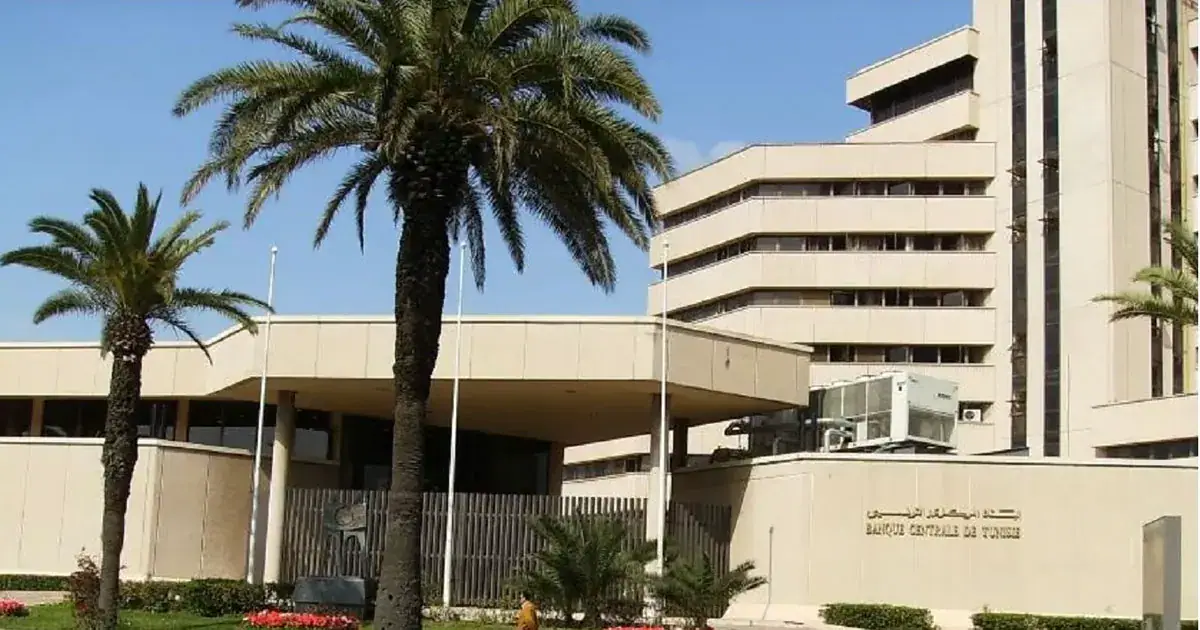
The Central Bank of Tunisia (BCT) has decided to maintain its key interest rate at 7%, a move that has been described as unexpected by economist Moez Soussi. Speaking on Diwan FM, Soussi had anticipated a hike of at least 50 basis points to 7.5% given the current national and international economic indicators and growing inflationary pressures.
Soussi's forecast is based on various external and internal factors, including the evolution of the global energy market, the decision to increase their key rates by most major central banks, as well as the pressures on the Tunisian dinar and the rise in the inflation rate. The economist highlighted the increase in hydrocarbon prices on the world market in a context of persistent uncertainty.
The global energy market trends are a significant concern for Tunisia, which imports more than 60% of its energy needs. The evolution of energy prices could exacerbate pressures on the Tunisian economy. Soussi also drew attention to the tendency of major central banks to tighten their monetary policy, citing the US Federal Reserve's decision to raise its interest rates by 25 basis points.
The rise in the yield on the dollar and foreign currencies would exert additional pressure on foreign exchange flows and the exchange rate of the Tunisian dinar. This requires creating a greater margin of maneuver to mitigate exchange rate risks and limit the impact of imported inflation on production costs.
On the domestic front, Soussi pointed to several economic and monetary indicators, including the gap between the assumption made in the 2026 finance law and the actual price of oil recorded. The budget forecasts were based on a price of $63.3 per barrel, while the actual average from January to September was around $94 per barrel.
The economist also noted a slowdown in economic growth, which fell from 2.6% in the first quarter to 2.3% in the second quarter. He estimated that the decline in production could exacerbate pressure on prices. Regarding inflation, Soussi reported a year-on-year increase in the inflation rate to 5.6% in September, compared to 4.8% at the start of the year.
Looking ahead, Soussi believes it is unlikely that the key interest rate will be maintained at 7% for an extended period. He expects the BCT to be forced to raise it by 50 basis points soon, as part of its monetary policy to preserve price stability, protect purchasing power, and support the stability of the dinar's value.
Key points
- Economist Moez Soussi expects the interest rate to rise soon due to inflationary pressures.
- The interest rate may impact the economy by increasing the cost of credit and slowing down investment.
- Tunisia's reliance on imported energy could exacerbate economic pressures due to global market trends.