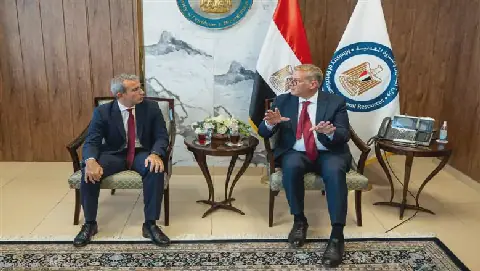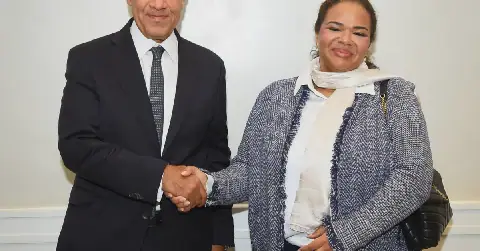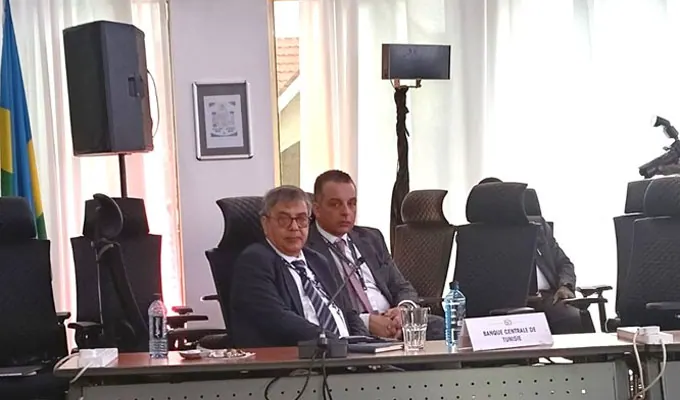
Fethi Zouhaier Nouri, Governor of the Central Bank of Tunisia (BCT), recently participated in the 48th Annual Meetings of the Association of African Central Banks (ABCA) in Nairobi, Kenya, from September 16 to 18, 2026. During the meetings, Nouri emphasized the need to build an "African monetary resilience union" as a prerequisite for establishing a sustainable monetary union on the continent. This approach focuses on enhancing the collective capacity of African economies to withstand shocks, consolidate monetary and financial stability, and deepen cooperation.
The annual meetings of the ABCA, hosted by the Central Bank of Kenya on its 60th anniversary, brought together governors and vice-governors of African central banks, high-ranking institutional officials, and representatives of regional and international monetary organizations. As President of the North Africa sub-region within the ABCA Bureau for 2025-2026, Nouri attended the ordinary meeting of the Bureau and the 48th Ordinary Meeting of the Council of Governors. The discussions covered the Association's statutory activities, prospects for strengthening monetary and financial cooperation, and economic integration in Africa.
The meetings also addressed the implementation of the African Monetary Cooperation Program (AMCP), the progress of the African Monetary Institute (AMI) establishment, and the work of various working groups. Additionally, the development of cooperation between African central banks and their institutional partners was discussed. Nouri was elected as a member of the AMI's Board of Directors, marking a significant step in the institute's setup. He participated in the inaugural meeting of the Board of Directors, held after the 48th Ordinary Meeting of the Council of Governors.
On September 17, 2026, Nouri participated in the ABCA Governors' Symposium, which focused on "African monetary integration and financial sovereignty: strategic perspectives for reducing the continent's dependence on international institutions." The discussions explored ways to strengthen the continent's financial autonomy, deepen monetary integration, and consolidate cooperation mechanisms among central banks. The symposium provided a platform for examining the levers that can enhance Africa's financial sovereignty.
Nouri also participated in an international conference organized by the Central Bank of Kenya on September 16, 2026, which explored the challenges and prospects of artificial intelligence (AI) in the financial sector and central banks. As a panelist, Nouri addressed the theme "Generative artificial intelligence, data governance, and enterprise AI within central banks." His participation highlighted the importance of integrating AI into central banks' activities, particularly in data governance, process transformation, and adapting to technological advancements.
Through his participation in these meetings, the BCT reaffirmed its commitment to strengthening cooperation among African central banks, consolidating the continent's monetary and financial resilience, and promoting gradual African integration based on solid institutions and enhanced cooperation mechanisms. The BCT's engagement underscores Tunisia's role in advancing African economic integration and stability.
The ABCA's 48th Annual Meetings demonstrated the ongoing efforts to enhance monetary cooperation and economic integration in Africa. The events provided a platform for central banks and financial institutions to discuss pressing issues, share experiences, and develop strategies for addressing common challenges. By fostering cooperation and collaboration, African central banks aim to promote economic stability and growth across the continent.
Key points
- Fethi Zouhaier Nouri calls for an African monetary resilience union to strengthen economic stability.
- The 48th Annual Meetings of the ABCA focused on monetary cooperation, economic integration, and strategies for reducing Africa's dependence on international institutions.
- Nouri was elected as a member of the African Monetary Institute's Board of Directors, marking a significant step in the institute's establishment.