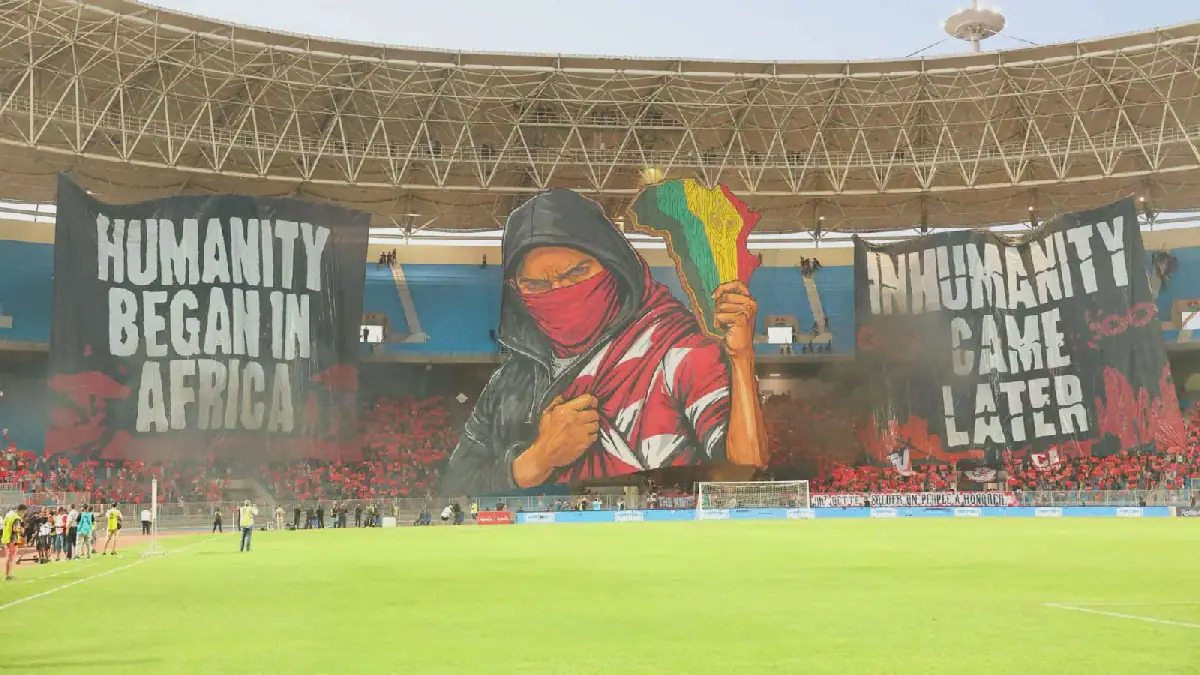
The possibility of Tunisia hosting the Africa Cup of Nations has sparked a heated debate in the country. According to Kamel Ghattas, writing for La Presse de Tunisie, the country's football federation must adhere to a strict set of requirements imposed by the Confederation of African Football (CAF). These requirements include having a sufficient number of international-standard stadiums, with at least four to six stadiums, including two with a minimum capacity of 40,000 spectators and four with a capacity of 20,000 spectators.
One of the key infrastructure projects is the renovation of the El Menzah stadium, which has been the subject of controversy. Some argue that the 600 million dinar budget for the renovation could be better spent on building schools, hospitals, and smaller stadiums. However, proponents of the project argue that the El Menzah stadium is crucial for the country's football infrastructure, particularly given the pressure on the Radès stadium, which hosts two matches a week and requires regular maintenance.
The El Menzah stadium has historical significance and is needed in the capital city, which is growing and requires such infrastructure. The Radès stadium, on the other hand, needs regular maintenance and may need to be closed for refurbishment, which could take at least two years. This would leave the country's football without a major venue for national and international matches.
The cost of building modern sports infrastructure is high, as evidenced by the construction of the El Menzah Olympic City by Bulgaria, which cost 4.5 billion dinars, partially paid in phosphate and olive oil. The article argues that Tunisia's football needs such infrastructure to revive the sport, which has fallen behind in recent years.
Hosting the Africa Cup of Nations could have significant economic and financial benefits for Tunisia, which have been lacking in recent years. The article cites Egypt as an example of a country that prioritizes its football infrastructure and reaps the rewards, including attracting top players and hosting international matches.
The El Menzah stadium and the Palace of Sports, if functioning properly, could become centers of interest not only for sports but also for cultural and artistic activities. This would provide a boost to the country's cultural and entertainment scene, beyond just football.
Ultimately, the decision to host the Africa Cup of Nations will depend on weighing the costs and benefits of the project. While there are valid concerns about the expenditure, the article argues that the long-term benefits to the country's football and economy make it a worthwhile investment.
Key points
- The Tunisian government must consider the costs and benefits of hosting the Africa Cup of Nations.
- The country's football infrastructure requires significant investment to meet CAF standards.
- Hosting the tournament could have significant economic and financial benefits for Tunisia.
Reporting sources
- Organisation d’une CAN en Tunisie : Entre populisme et réalisme · La Presse de Tunisie