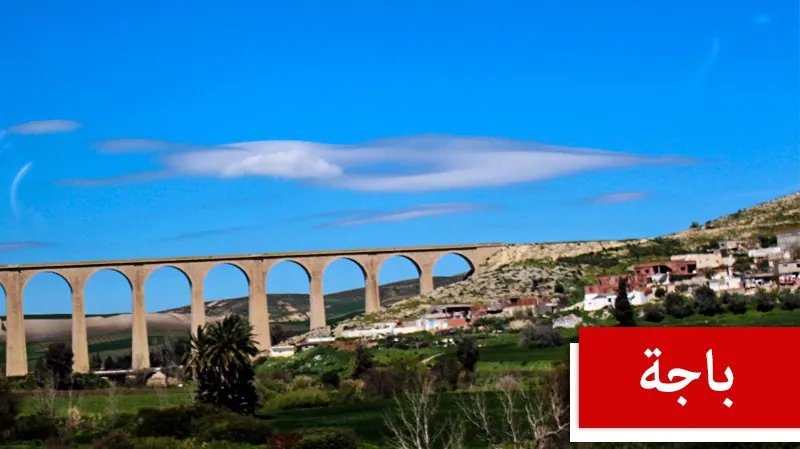
The Bajah governorate in northern Tunisia is gearing up for the rainy season, with authorities reviewing areas at risk of flooding and water accumulation. The region, particularly areas near the Medjerda River and low-lying zones, is susceptible to heavy rainfall and flash flooding. Local authorities, emergency services, and other stakeholders are working together to mitigate potential risks.
A recent meeting chaired by Governor Ahmed Ben Kharrat brought together representatives from security services, civil protection, local authorities, and other relevant agencies. The meeting aimed to assess the region's preparedness for the rainy season and potential flood risks. Participants reviewed areas prone to flooding, identified sites requiring monitoring or preventive intervention, and discussed ongoing and required interventions.
Authorities are conducting field inspections to identify sensitive areas and determine necessary interventions. They are also clearing obstacles that could impede rainwater drainage and verifying the readiness of emergency response equipment. The goal is to ensure swift response and rescue operations in case of emergencies.
The meeting also examined the human, material, and logistical resources available to civil protection services and the readiness of rescue teams. This will enable rapid deployment of equipment and personnel to areas requiring intervention. A program of simulated emergency operations, including rescues, evacuations, and water pumping, has been planned to test response teams' preparedness and coordination.
Preventive work will continue in the coming period, with increased field monitoring of sensitive areas, updated intervention plans, and communication channels between stakeholders. This will facilitate rapid response to weather-related developments. Low-lying areas, zones near river courses and the Medjerda River, and certain roads and paths require continuous monitoring as the rainy season begins.
Governorate officials are working to address potential flood risks and ensure public safety. The region's topography and proximity to watercourses make it vulnerable to flooding. Effective preparedness and emergency response measures are crucial to minimizing risks and protecting local communities.
Tunisia's National Meteorological Institute monitors weather patterns and provides early warnings for severe weather events. The government's disaster risk management efforts focus on preparedness, response, and mitigation. Ongoing efforts aim to reduce the impact of extreme weather events on communities and infrastructure.
Key points
- The Bajah governorate is taking proactive measures to prepare for the rainy season and mitigate potential flood risks.