Hundreds of consumers have filed lawsuits against manufacturers of popular weight loss drugs, claiming a link to a rare eye condition known as non-arteritic anterior ischemic optic neuropathy (NAION). This condition causes sudden vision loss and is often referred to as a "stroke of the eye." According to the American Academy of Ophthalmology and the National Eye Institute, NAION is the most common cause of acute optic nerve injury in adults over 50.
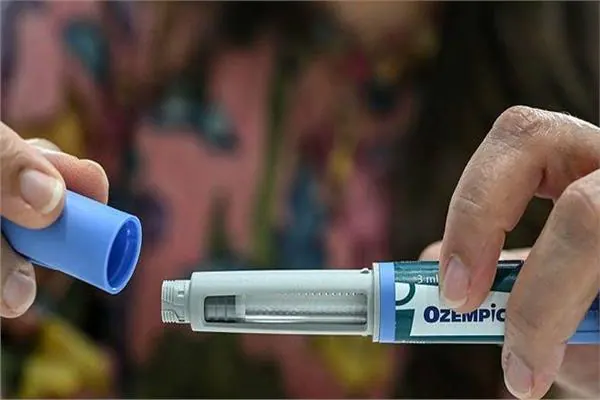
The lawsuits target manufacturers of GLP-1 receptor agonists, including Novo Nordisk, which produces Ozempic and Wegovy, and Eli Lilly, which produces Mounjaro and Zepbound. Plaintiffs claim that these medications increase the risk of NAION, leading to sudden and severe vision loss. Novo Nordisk and Eli Lilly have denied these claims, citing research that found no increased risk of NAION associated with their medications.
NAION typically causes sudden, painless vision loss in one eye, often accompanied by symptoms such as blurred or dimmed vision, loss of peripheral vision, or decreased color vision. These symptoms usually appear in the morning after waking up. Risk factors for NAION include age, diabetes, high blood pressure, high cholesterol, sleep apnea, and smoking. Many individuals taking GLP-1 receptor agonists have underlying conditions such as diabetes or obesity, which may contribute to their risk of vision problems.
The exact cause of NAION is not fully understood, but it is believed to result from reduced blood flow to the optic nerve. In many cases, vision loss due to NAION is permanent, although some patients may experience partial recovery over time. There is no proven treatment to reverse optic nerve damage. Experts emphasize that patients should not stop taking prescribed GLP-1 receptor agonists without consulting their healthcare provider, as the benefits of these medications may outweigh any potential risks to vision.
GLP-1 receptor agonists, such as Ozempic and Mounjaro, are commonly used to treat type 2 diabetes and obesity. These medications work by mimicking a natural hormone that regulates blood sugar and appetite. While they have been shown to be effective in managing these conditions, concerns about potential side effects have grown. The lawsuits filed against Novo Nordisk and Eli Lilly highlight the need for ongoing monitoring of the safety and efficacy of these medications.
The American Academy of Ophthalmology and the National Eye Institute have emphasized the importance of awareness about NAION and its potential risk factors. Healthcare providers and patients must be vigilant about monitoring vision and reporting any changes or concerns. By understanding the potential risks and benefits of GLP-1 receptor agonists, patients and healthcare providers can make informed decisions about treatment options.
As the lawsuits against Novo Nordisk and Eli Lilly proceed, regulatory agencies and healthcare organizations will continue to monitor the safety of GLP-1 receptor agonists. In the meantime, patients taking these medications should remain aware of the potential risks and benefits and discuss any concerns with their healthcare provider.
Key points
- Hundreds of consumers have filed lawsuits against manufacturers of popular weight loss drugs, claiming a link to a rare eye condition known as non-arteritic anterior ischemic optic neuropathy (NAION).
- GLP-1 receptor agonists, such as Ozempic and Mounjaro, are commonly used to treat type 2 diabetes and obesity.
- NAION typically causes sudden, painless vision loss in one eye, often accompanied by symptoms such as blurred or dimmed vision, loss of peripheral vision, or decreased color vision.