The Bajah governorate in Tunisia is preparing for the upcoming 2026-2027 agricultural season by prioritizing several key areas that directly impact production conditions and crop yields. This preparation comes after evaluating the main challenges faced during the previous season. According to a source from the Regional Union of Agriculture and Maritime Fishing in Bajah, the upcoming period requires, in particular, providing production inputs on time, enhancing technical support for farmers, and continuing efforts to improve land use methods and adapt to climate change.
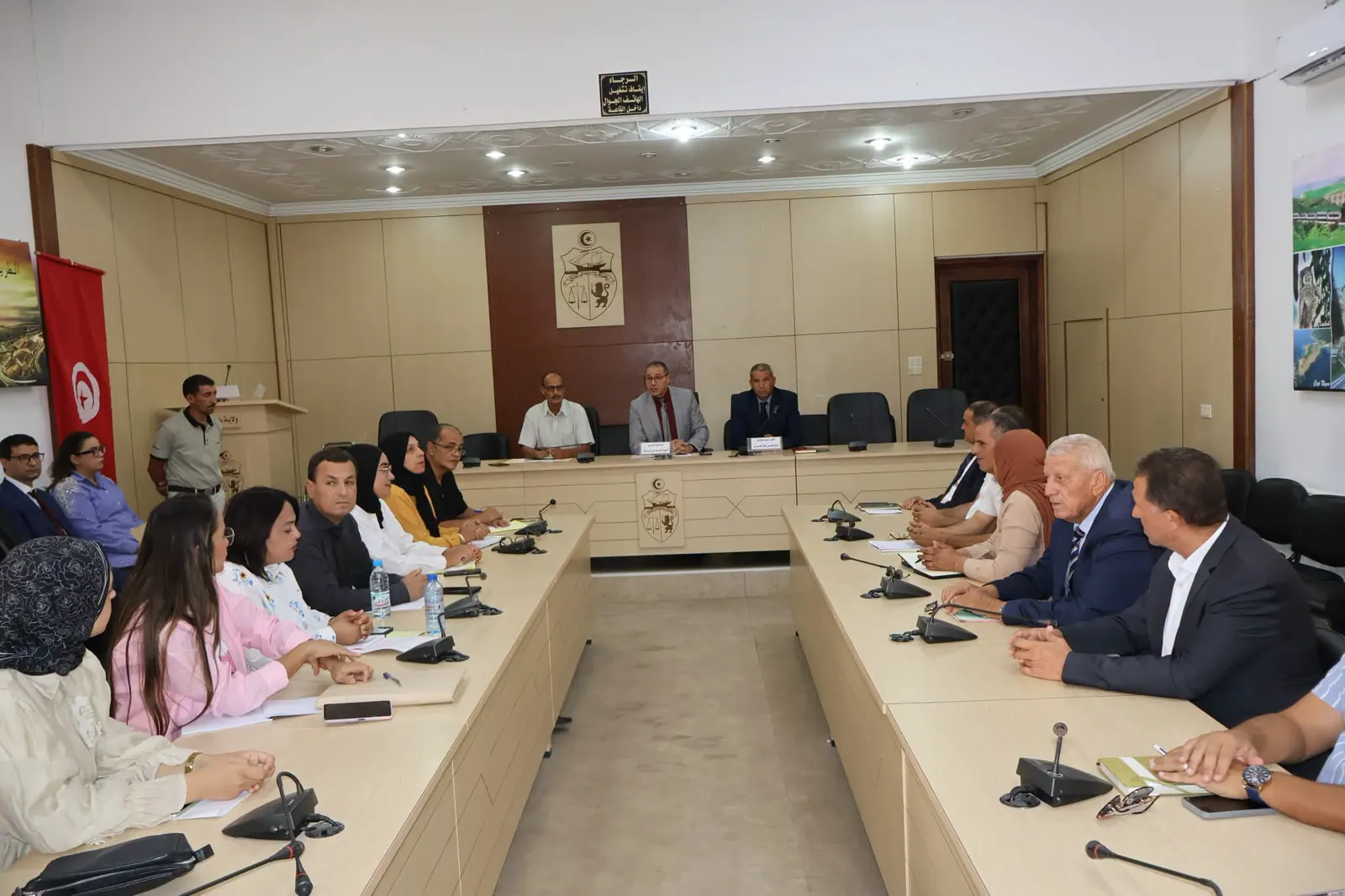
The timely availability of fertilizers, especially ammonium, remains a crucial point for farmers, as fertilization is linked to crop growth stages and expected yields. Additionally, there is a need for closer technical follow-up to help farmers make appropriate decisions during different stages of the season. A working session held on September 29, 2026, in Bajah highlighted the importance of agricultural rotation and maintaining soil fertility, as well as rationalizing the use of fertilizers and pesticides and conducting soil analyzes before determining its needs.
The session's outcomes included encouraging crop diversification and searching for production options that align with regional specifics, while enhancing the use of scientific research results and field experiments and linking them to agricultural guidance. The source emphasized that climate conditions have become a significant factor in planning the season, especially with the recent rise in temperatures, which necessitates adopting practices that help crops cope with fluctuations and improve their ability to maintain production.
The working session also addressed the need for continued coordination among various stakeholders, including agricultural services, professional structures, local authorities, municipalities, and grain collection center owners, to ensure prior preparation for different stages of the season. For farmers, the importance of these outcomes lies in their translation into practical actions, particularly regarding the timely provision of production inputs, reducing intervention costs, improving yields, and avoiding potential difficulties during the season.
The Regional Union of Agriculture and Maritime Fishing in Bajah emphasized that the new season's preparations focus on early readiness that combines providing production inputs, technical support, and protecting natural resources, thereby helping to achieve a more stable season for major crops. This approach aims to address the challenges faced in the previous season and improve agricultural productivity in the region.
Tunisia's agricultural sector has been facing various challenges, including climate change, soil degradation, and fluctuations in global market prices. The government's efforts to support farmers and improve agricultural productivity are crucial for the country's food security and economic development. The Bajah governorate's preparations for the new agricultural season reflect the country's commitment to addressing these challenges and promoting sustainable agricultural practices.
The new agricultural season in Bajah is expected to be launched soon, with farmers and stakeholders working together to implement the plans and strategies developed during the working session. The success of these efforts will depend on various factors, including weather conditions, market trends, and the effectiveness of the support services provided to farmers. Key points include:
Key points
- Securing production inputs on time is crucial for farmers.
- Enhancing technical support for farmers is essential for improving crop yields.
- Climate change is a significant factor in planning the agricultural season.