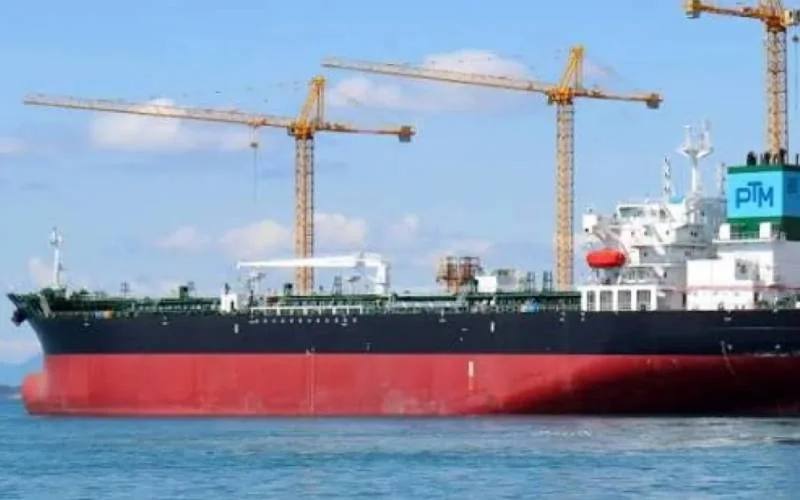
A significant milestone was achieved in the energy sector of East Africa as Rwanda and Kenya celebrated the arrival of a 40,000-tonne refined petroleum cargo at Kenya's Kipevu Oil Terminal. The shipment, which was transported by the vessel MT Sea Wolf, docked at the Kenya Pipeline Company's Kipevu Oil Terminal 2. This event marks the activation of a new Northern Corridor route for Rwanda's fuel imports, providing a reliable and cost-effective supply line for essential fuels.
The arrival ceremony was attended by high-ranking officials, including Armand Zingiro, Rwanda's Minister of State for Infrastructure, and Opiyo Wandayi, Kenya's Cabinet Secretary for Energy and Petroleum. During the ceremony, Zingiro described the shipment as the culmination of a shared vision to boost regional energy security. Wandayi hailed the event as a "proud milestone" for Kenya, emphasizing that the three-year collaboration confirms Kenya's role as a logistics gateway for the region.
The framework underpinning the arrangement stems from a Memorandum of Understanding signed on June 29 between Kenya's Ministry of Energy and Petroleum and Rwanda's Ministry of Trade and Industry. This agreement was complemented by a Tripartite Agreement and a Transport and Storage Agreement with the Kenya Pipeline Company. Both governments framed the deal as a practical demonstration of East African Community and African Continental Free Trade Area integration.
The new arrangement is expected to enhance energy security, streamline supply chains, and lower logistical costs for Rwanda's fuel sector. The Rwanda National Energy Company, created earlier this year, aims to secure a resilient energy supply chain for Rwanda, working with regional partners and private stakeholders to diversify sources and develop strategic infrastructure.
Rwanda's petroleum importers, represented by ASSIMPER chair Eric Herbez Mutanganda, anticipate greater flexibility as the new arrangement extends storage time in Kenya from roughly 30 to 60 days. This allows for staggered deliveries while Rwanda expands its own storage capacity. Mutanganda also highlighted reduced risk, noting that previously 90-95% of Rwanda's fuel arrived via a single corridor; the new dual-corridor option provides a backup route in case of disruptions.
The successful execution of this shipment demonstrates the potential for increased cooperation and integration among East African countries. The Northern Corridor route is expected to play a critical role in enhancing the region's energy security and promoting economic growth. As the region continues to develop, such collaborations are likely to become increasingly important.
In conclusion, the arrival of Rwanda's first 40,000-tonne petroleum shipment at Mombasa Port marks a significant milestone in the region's energy sector. The new Northern Corridor route is expected to provide a reliable and cost-effective supply line for essential fuels, enhancing energy security and promoting economic growth in Rwanda and the wider region.
Key points
- The shipment activates a newly-established route that will see Rwanda import bulk refined petroleum through Kenya's Northern Corridor.
- The arrangement is expected to enhance energy security, streamline supply chains, and lower logistical costs for Rwanda's fuel sector.
- The new dual-corridor option provides a backup route in case of disruptions, reducing risk for Rwanda's petroleum importers.