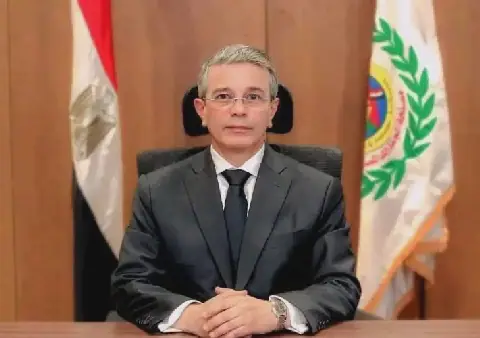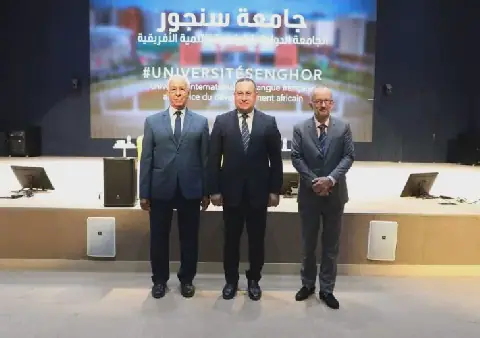
International energy advisor Azeddine Khalfallah stated that Tunisia's goals for transitioning to renewable energy are ambitious but achievable. He made these comments during an interview with Diwan FM on the sidelines of the second Africa Energy Forum, which took place on September 23-24 at the City of Culture. Khalfallah emphasized that the current pace of renewable energy projects in Tunisia, including self-production and licensing, has increased compared to previous years.
Tunisia aims to generate 35% of its electricity from renewable sources by 2030 and 80% by 2050. Khalfallah called for accelerating projects and supporting investments in renewable energy production to achieve these targets. He stressed the importance of supporting the exploration and production sector in fossil fuels through the Tunisian Petroleum Activities Company, which would help reduce the country's energy subsidy bill that has been straining the state's budget.
Khalfallah highlighted the need for Tunisia to leverage its full potential in fossil fuel energy to mitigate the impact of rising energy costs on the state's finances. The country's energy landscape has been a significant concern, with the government seeking ways to reduce its reliance on imported energy sources. The advisor's comments come as Tunisia's oil and olive oil sales have reached over 82 countries, showcasing the country's growing presence in the global market.
The Africa Energy Forum, now in its second edition, brings together industry experts and stakeholders to discuss the continent's energy future. The event provides a platform for countries to share best practices, explore new opportunities, and address the challenges facing the energy sector. Tunisia's participation in the forum underscores its commitment to transitioning to a more sustainable energy mix.
Khalfallah's assertion that Tunisia's renewable energy goals are achievable is significant, given the country's existing infrastructure and resources. The government's efforts to promote renewable energy have been underway for several years, with various projects and initiatives launched to support the transition. However, the pace of progress has been slow, and Khalfallah's call for acceleration is timely.
The Tunisian government's push for renewable energy is part of a broader strategy to reduce the country's dependence on imported fossil fuels and mitigate the impact of climate change. The country's energy sector has been facing significant challenges, including aging infrastructure and limited resources. The transition to renewable energy is seen as a critical step towards ensuring a sustainable energy future for Tunisia.
As Tunisia continues to work towards its renewable energy goals, the country's experience will likely serve as a model for other African nations. The international community has been increasingly supportive of Tunisia's efforts, with various organizations and countries offering technical and financial assistance. With the right support and investment, Tunisia is poised to make significant strides in its transition to a more sustainable energy mix.
Key points
- Tunisia aims to generate 35% of its electricity from renewable sources by 2030 and 80% by 2050.