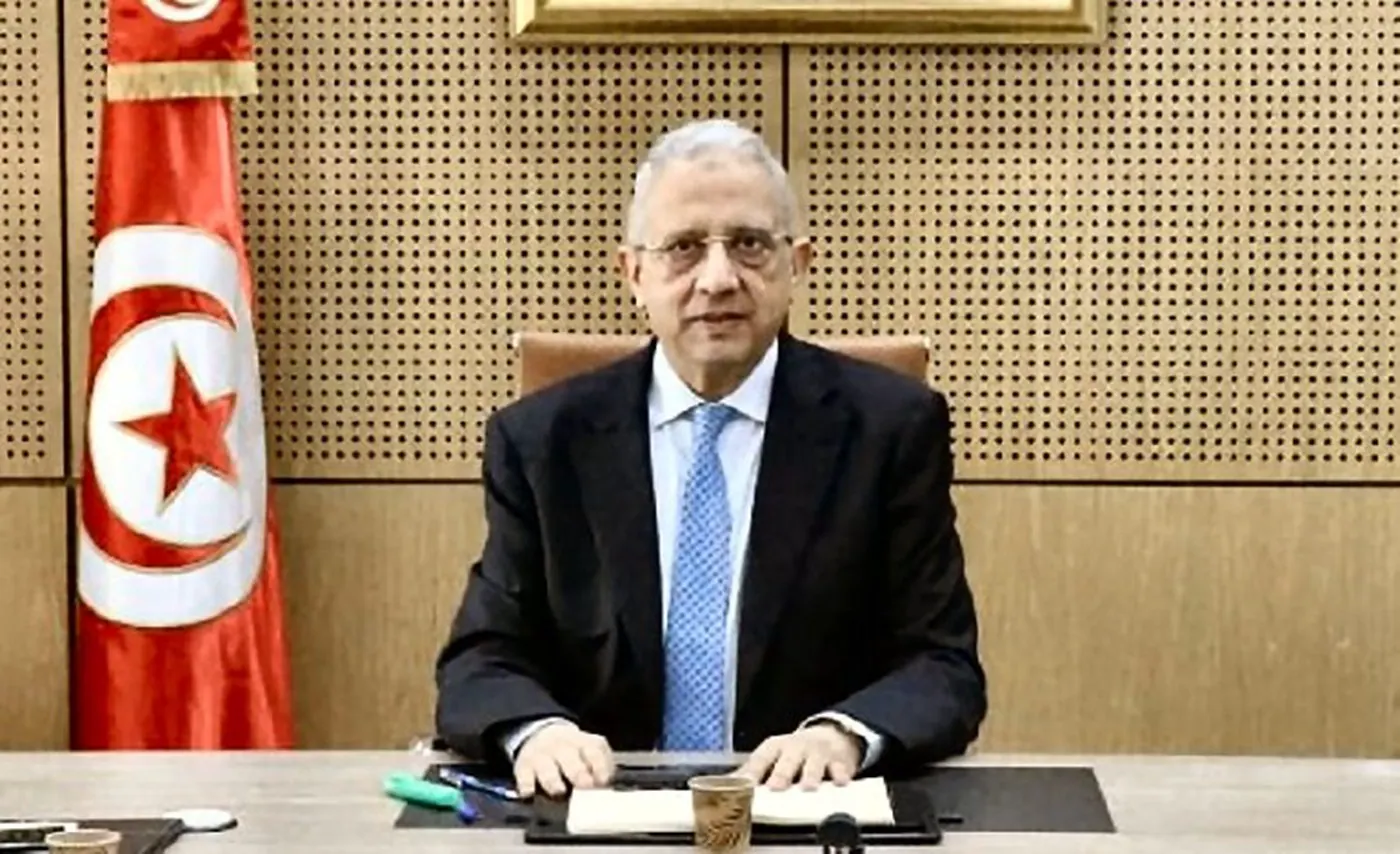
Tunisia's Minister of Health, Mustapha Ferjani, visited the Alzheimer Centre at Razi University Hospital in Manouba on September 19, 2026. The centre was designated as a regional collaborating centre for Alzheimer's disease by the World Health Organization (WHO). This new status allows the centre to host international trainees, participate in global research, and provide scientific studies to the WHO. The centre's head, Riad Gouider, stated that this accreditation will expand the centre's reach and give its activities a regional and international dimension.
The Alzheimer Centre at Razi University Hospital was established in 2010 to provide specialized care for patients with Alzheimer's disease. The centre offers outpatient consultations, day care services, training, and research activities. According to Gouider, the centre has treated around 9,000 patients since its inception, with nearly 800 benefiting from day care services and thousands receiving consultations. These numbers highlight the need to expand the network of Alzheimer's care centres across the country.
Estimates suggest that between 50,000 and 70,000 Tunisians suffer from Alzheimer's disease, although precise data is not available. Gouider stated that the centre's new accreditation will facilitate access to international standards and tools, enabling a more accurate national study on the number of patients and disease characteristics. This will help improve care and services for Alzheimer's patients in Tunisia.
The centre's new status as a WHO collaborating centre will enable it to contribute to global research and initiatives on Alzheimer's disease. This collaboration will help advance understanding and treatment of the disease, benefiting patients in Tunisia and worldwide. The centre's team will work with international experts to develop new strategies and guidelines for Alzheimer's care.
Gouider emphasized the need to establish similar centres in other regions, particularly in central Tunisia, to decentralize Alzheimer's care services. Currently, services are concentrated in the capital, making it difficult for patients from other regions to access specialized care. Expanding the network of centres will improve access to care and support for patients and their families.
The Alzheimer Centre at Razi University Hospital has made significant progress since its establishment. Its new international accreditation will further enhance its capabilities and contributions to Alzheimer's research and care. The centre's team will continue to work towards improving services and outcomes for patients with Alzheimer's disease in Tunisia.
The Tunisian government's commitment to improving healthcare services is reflected in the centre's accreditation. The Ministry of Health will continue to support the centre and other healthcare initiatives to address the needs of patients with Alzheimer's disease and other conditions. The centre's success will serve as a model for other healthcare institutions in Tunisia and the region.
Key points
- The centre's new accreditation enables international collaboration and research on Alzheimer's disease.
- Estimates suggest that 50,000 to 70,000 Tunisians suffer from Alzheimer's disease.
- The centre has treated around 9,000 patients since its establishment in 2010.