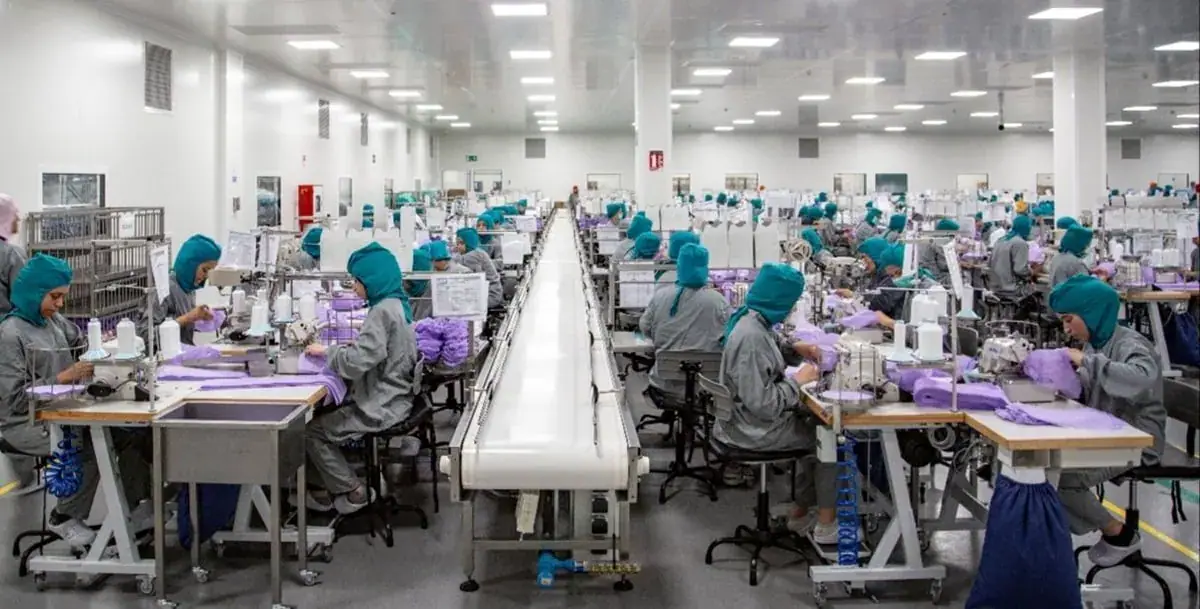
The United Nations has announced that its programs in Tunisia have led to the creation of over 3600 jobs in the agro-food industry, with women making up 90% of these new positions. Rana Taha, the UN's resident coordinator in Tunisia, shared these results in an interview with the TAP agency on the occasion of Tunisia's 70th anniversary of joining the UN on November 12. This development is a significant achievement for the country's economic growth.
The agro-food sector has been a key area of focus for the UN's programs in Tunisia, with interventions leading to a 194% increase in export volumes in the supported sectors. This progress aligns with the results presented by the UN Industrial Development Organization (UNIDO) in May 2026, following the second phase of the PAMPAT program. The program aimed to improve access to markets for Tunisian agro-food and terroir products, supporting over 250 companies and 1000 farmers.
In addition to the agro-food sector, the UN's cooperation with Tunisia has also helped maintain 14,000 jobs in the textile industry. Rana Taha reported a 7% increase in the value of exports in this sector, rising from $226 million to $242 million. The textile industry is a significant pillar of Tunisia's national industry, with exports reaching 9.069 billion dinars in 2025 and employing around 146,000 people.
The UN's programs in Tunisia have also prioritized the economic empowerment of women. Over 2200 women in the governorates of Kairouan and Jendouba have benefited from support aimed at developing their production and projects. The program covered 80 companies, with over 88% still operational in 2025. Furthermore, the UN's assistance has enabled the modernization of the Fund for Compensation of Agricultural Damages due to Natural Disasters.
The cooperation between the UN and Tunisia has had a broader impact on the country's economy, improving the productivity of 265 small and medium-sized enterprises and supporting 210 young entrepreneurs. The programs have also benefited 57 agricultural cooperatives and groups. In the craft sector, over 3000 artisans, designers, and entrepreneurs have received training to enhance their projects and profitability.
These interventions are part of the UN's support for Tunisia's priorities, focusing on sustainable development and economic growth. The results demonstrate the positive impact of international cooperation on the country's industries and employment. The UN's programs have contributed significantly to Tunisia's economic progress, particularly in the agro-food sector and among women.
Moving forward, the UN's continued support for Tunisia's development is expected to build on these achievements. The organization's programs will likely focus on sustaining and expanding economic growth, promoting entrepreneurship, and empowering women and young people. As Tunisia continues to celebrate its cooperation with the UN, the focus remains on achieving sustainable development and improving the lives of its citizens.
Key points
- The UN's programs in Tunisia have created over 3600 jobs in the agro-food sector, with 90% occupied by women.
- The textile industry has maintained 14,000 jobs with a 7% increase in export value.
- Over 2200 women have benefited from support for developing their production and projects.