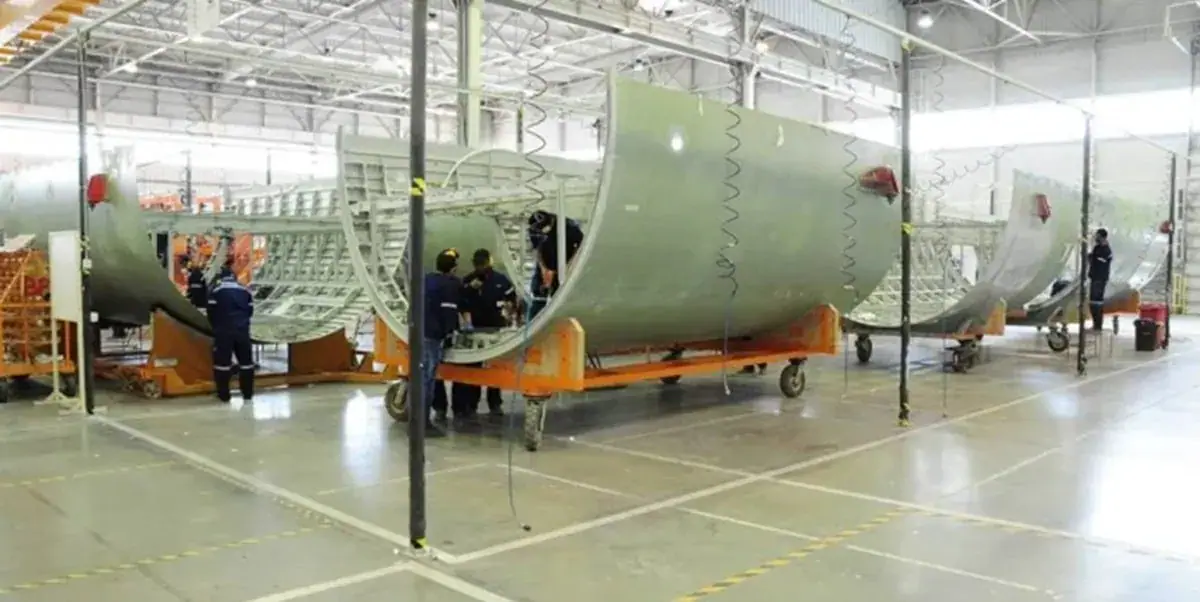
Tunisia's aeronautics sector is set to expand significantly over the next four years, with ambitious targets to create 10,000 new jobs and double its exports by 2030. Currently, the sector employs over 20,000 people directly and consists of more than 85 companies. According to Hatem Soussi, director at the Foreign Investment Promotion Agency (FIPA), the sector's growth is driven by its strong performance in recent years, with exports reaching $1.74 billion in 2025 and an average annual growth rate of 20.4% over the past four years.
The sector's growth is expected to continue, with a projected 12% increase in 2026 and a 30% rise in foreign investment over the past year. To achieve its objectives, the sector aims to increase its local integration rate to over 50%, which involves strengthening the participation of Tunisian companies in the various stages of the aeronautical value chain. This will require developing local production, subcontracting, and supply capabilities for components and specialized services.
The employment target is a significant one, with the sector aiming to increase its workforce to over 30,000 people by 2030. This growth will be driven by the expansion of existing companies and the attraction of new investors. The sector's ability to create new jobs will depend on its capacity to maintain its competitiveness and attractiveness to international investors.
The commercial objective is equally ambitious, with the sector aiming to double its exports to approximately $3.48 billion by 2030. This growth will be driven by the expansion of existing production capacities and the attraction of new investors. The sector's export growth will depend on its ability to maintain its market share and adapt to changing global demand.
The aeronautics sector is a significant contributor to Tunisia's economy, with over 85 companies and a substantial share of industrial exports. The sector's growth has the potential to drive economic growth and create new opportunities for Tunisian companies. However, it will require careful planning and investment to ensure that the sector's growth is sustainable and benefits the local economy.
To achieve its objectives, the sector will need to address several challenges, including the need to increase its local integration rate and maintain its competitiveness in a rapidly changing global market. The sector's ability to adapt to these challenges will depend on its capacity to innovate and invest in new technologies and processes.
The Tunisian government's support for the sector will be crucial in achieving its objectives. The government's efforts to promote investment and support the growth of the sector will help to create new opportunities for Tunisian companies and drive economic growth.
Key points
- Tunisia's aeronautics sector aims to create 10,000 new jobs and increase exports to $3.5 billion by 2030.
- The sector's growth will be driven by its strong performance in recent years, with exports reaching $1.74 billion in 2025.
- The sector aims to increase its local integration rate to over 50% by 2030.