Tunisia's Ministry of Industry, Mines, and Energy budget for 2027 has increased by 48.2% to 7890.2 million dinars, up from 5325.6 million dinars in 2026. This significant rise is primarily attributed to the surge in global oil prices and the subsequent increase in fuel subsidy costs. The budget increase was announced by Minister of Equipment and Housing, Salah Zouari, during a joint session of the Industry, Commerce, and Natural Resources committees in the Tunisian Parliament.
The substantial increase in the budget is largely due to the impact of global events, including tensions and conflicts in the Middle East, disruptions in maritime navigation, and attacks in the Strait of Hormuz. These factors have led to a sharp rise in oil prices, resulting in higher fuel subsidy costs for Tunisia. The government's efforts to mitigate the effects of these price hikes are reflected in the increased budget allocation.
A significant portion of the budget, 7090 million dinars, has been allocated to fuel subsidies for 2027, up from 4993 million dinars in 2026. This represents a 42% increase, highlighting the government's efforts to cushion the impact of rising fuel costs on citizens. Additionally, the budget for developmental interventions has increased to 551.8 million dinars, a substantial rise from 60.5 million dinars in 2026.
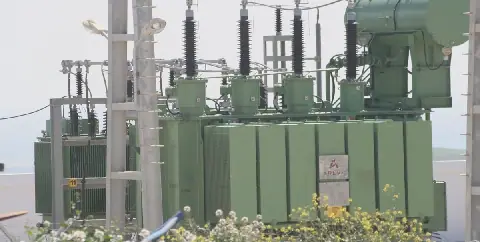
The energy sector will receive the largest share of the budget, with 7200.1 million dinars allocated, up from 5115.8 million dinars in 2026. The mining sector will also see a significant increase, with 508.2 million dinars allocated, compared to just 8 million dinars in 2026. This increase is largely due to the allocation of funds to the Tunisian Chemical Group.
In contrast, the industry sector's budget has decreased to 169.3 million dinars, down from 188.9 million dinars in 2026. The leadership and support program's budget has remained relatively stable at 15.3 million dinars. The budget for hiring personnel has increased by 20% to 47.9 million dinars, primarily due to general wage increases and adjustments to recruitment costs.
The government's budget plans also include the recruitment of 106 personnel and the allocation of 129.4 million dinars to special funds in the treasury. These funds will support initiatives such as the Competitiveness Support Fund, the Energy Transition Fund, and the Olive Oil Canning Promotion Fund. The Energy Transition Fund aims to reduce energy intensity by 3% annually and achieve a 35% share of renewable energy in electricity production by 2030.
Looking ahead, the medium-term expenditure framework estimates that the industrial, mining, and energy sector's expenses will reach 7933.6 million dinars in 2028 before decreasing to 7656.6 million dinars in 2029. The government's budget plans reflect its efforts to balance the needs of various sectors while addressing the challenges posed by global economic trends.
Key points
- Tunisia's 2027 industrial and energy budget has increased by 48.2% to 7890 million dinars.
- The budget increase is primarily due to the rise in global oil prices and fuel subsidy costs.
- The energy sector will receive the largest share of the budget, with 7200.1 million dinars allocated.