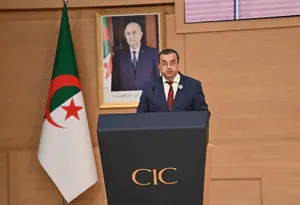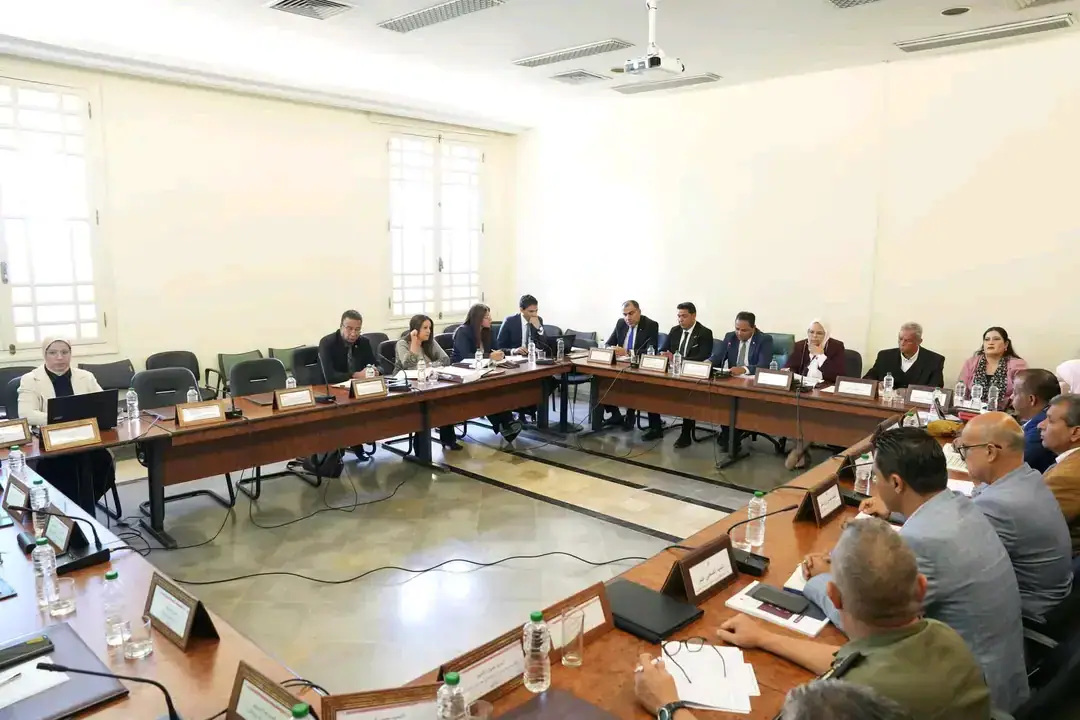
Tunisia's National Defense Minister, Khaled Sehili, presented the 2027 defense budget plan to the Parliament's Defense and Security Committee and the Internal Affairs Committee. The proposed budget aims to enhance the country's military capabilities and address emerging threats. The minister emphasized the importance of collaboration between the executive and legislative branches in promoting national security. He highlighted the military's successes in combating terrorism, crime, and irregular migration.
The 2027 defense budget plan is part of Tunisia's 2026-2030 development plan and aligns with the ministry's 10-year strategy (2021-2030). The strategy focuses on developing a more agile and responsive military, capable of anticipating and responding to threats. The plan prioritizes human resources, modernization, and technological advancements. The minister outlined key objectives, including ensuring operational effectiveness, supporting civil authorities, and promoting a favorable environment for military personnel.
The proposed defense budget for 2027 represents a 12% increase from 2026, with allocated funds totaling 5628.249 million dinars. Investment expenditures are expected to rise by 15%, accounting for 28% of the total budget. The ministry has adopted a approach focused on optimizing spending and promoting good governance, considering the country's limited resources and the need to balance national security with financial stability.
The defense ministry's strategy includes four main programs: military intervention, technical logistical support, military personnel welfare, and command and support. These programs aim to enhance the military's operational capabilities, improve living conditions for personnel, and promote a culture of innovation and excellence. The minister provided detailed information on the programs, including objectives, activities, and performance indicators.
Members of Parliament praised the military's role in protecting the country's sovereignty and security, as well as its contributions to national development. They emphasized the importance of providing the military with necessary resources to perform its duties effectively. Discussions also focused on the military's developmental role in border regions and the south, particularly the experience of the Regim Maatouk public establishment.
The committees' discussions also touched on various topics, including human resources management, military training, and healthcare services for military personnel. Members of Parliament inquired about the status of the national military service law, military healthcare services, and the development of a national strategy for scientific research and innovation.
The session concluded with a commitment to further enhance collaboration between the executive and legislative branches to promote national security and stability. The defense minister and his delegation provided clarifications and data on the issues raised by parliamentarians, which will be included in a joint report by the two committees.
Key points
- The 2027 defense budget plan prioritizes enhancing military capabilities, promoting good governance, and optimizing spending.
- The plan aims to develop a more agile and responsive military, capable of anticipating and responding to emerging threats.
- The defense ministry's strategy focuses on human resources, modernization, and technological advancements to ensure operational effectiveness.