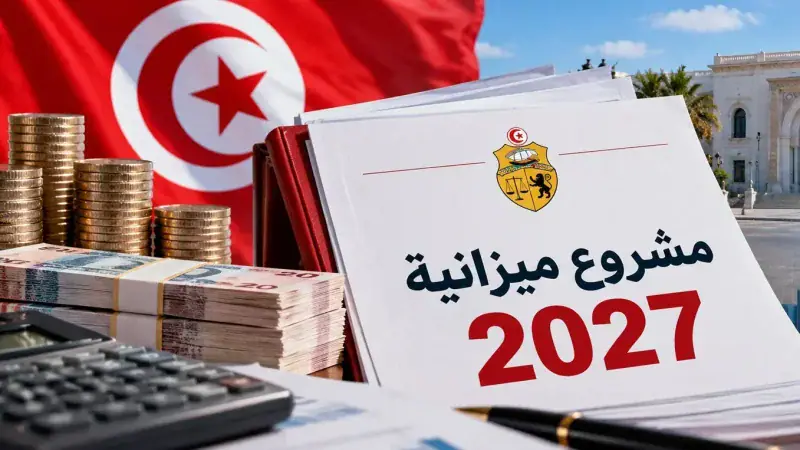
The Tunisian government is set to make significant debt repayments in 2027, with a total of 13.3 billion dinars ($4.3 billion) allocated for principal debt repayments. This includes 30 billion Japanese yen ($230 million) in August 2027 and $150 million in September 2027, as part of its global financial market debt obligations. Additionally, the country will repay 186 million dollars to the International Monetary Fund in eight monthly installments.
The country's external debt servicing will also include repayments to the African Export-Import Bank (Exim Bank) of $423 million, spread across March, June, September, and December 2027. Furthermore, Tunisia will repay 100 million euros ($110 million) to the European Union in May 2027 and $80 million to the Kingdom of Saudi Arabia, split between February and August 2027.
On the domestic debt front, Tunisia will repay 1.4 billion dinars ($470 million) in 52-week treasury bills, spread over 12 months, and 3.043 billion dinars ($1.02 billion) in negotiable treasury bills. The government will also service its domestic debt, including a 1.706 billion dinar ($570 million) repayment on the national bond, and 670 million dinar ($220 million) on domestic foreign currency loans.
According to the 2027 budget plan, the country's debt servicing is expected to decrease by 7.4% compared to 2026, reaching 21.275 billion dinars ($7.1 billion). This decrease is attributed to a reduction in debt servicing costs, which will account for 10.66% of Tunisia's GDP in 2027, down from 12.44% in 2026.
The budget plan assumes that interest rates on global debt will remain stable, and that the Tunisian dinar will remain stable against major currencies. However, any fluctuations in exchange rates could impact debt servicing costs. Despite this, the government expects to see a decrease in external debt servicing costs due to a reduction in external debt.
The 2027 budget plan also projects that domestic debt servicing costs will increase due to the growth of treasury bills, while the reliance on central bank financing will help reduce domestic debt servicing costs. Overall, the budget plan aims to maintain macroeconomic stability and ensure that debt servicing costs remain manageable.
The Tunisian government's ability to meet its debt obligations will be closely watched by international investors and rating agencies. The country's economic growth and ability to implement structural reforms will also be crucial in determining its long-term financial sustainability.
Key points
- Tunisia's 2027 budget plan includes $13.3 billion in debt repayments.
- The country's debt servicing costs are expected to decrease by 7.4% in 2027.
- The budget plan assumes stable interest rates and exchange rates.