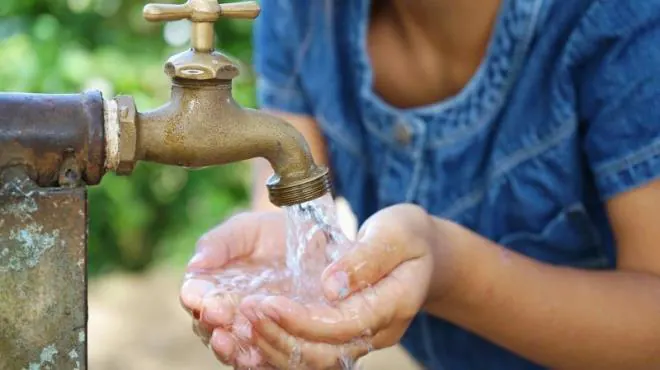
Tunisia's government has proposed a 2027 budget plan that emphasizes water conservation, social development, and economic growth. The plan aims to promote water efficiency and reduce waste by installing water-saving faucets and rainwater harvesting systems in all government ministries and institutions. This initiative is part of the government's efforts to address the country's water scarcity challenges and promote sustainable development. According to the Ministry of Finance, the budget plan is based on a comprehensive approach that takes into account the country's economic and social challenges.
The 2027 budget plan is built around several key priorities, including enhancing social welfare, promoting economic growth, and ensuring food, water, and energy security. The government aims to support vulnerable populations and improve the purchasing power of citizens, while also promoting investment and job creation. The plan also focuses on improving the quality of public services, such as healthcare, education, and transportation, and accelerating the digitalization of government services.
The government plans to continue its support for low-income families and vulnerable populations, while also protecting the middle class and promoting social cohesion. The budget plan also includes measures to promote employment and reduce unemployment, particularly among young people and those with higher education qualifications. Additionally, the government aims to improve the business environment and promote investment in key sectors, such as infrastructure, transportation, and renewable energy.
In the area of social housing, the government aims to support the housing policy by developing social housing programs and improving access to housing for low- and middle-income families. This initiative is expected to contribute to social stability and promote economic growth. The government also plans to enhance food security by supporting agricultural production, developing storage and distribution chains, and improving the availability of basic goods.
The 2027 budget plan also focuses on promoting water security and conservation, with a focus on reducing water consumption and promoting sustainable water management practices. The government plans to implement measures to reduce water waste, promote water-efficient technologies, and develop new water sources, such as desalination and wastewater treatment. According to a government decree, all government ministries and institutions are required to install water-saving faucets and rainwater harvesting systems.
In the area of energy and environment, the government aims to accelerate the transition to renewable energy and promote sustainable development. The government plans to increase investment in renewable energy, improve energy efficiency, and reduce dependence on fossil fuels. This initiative is expected to contribute to energy security, reduce energy costs, and promote environmental sustainability.
The government also plans to improve the efficiency of public investment by prioritizing projects with high economic and social returns. The government aims to accelerate the implementation of public projects, enhance monitoring and evaluation mechanisms, and promote transparency and accountability. The budget plan includes investments in key sectors, such as infrastructure, transportation, and education, which are expected to promote economic growth and social development.
Key points
- The 2027 budget plan prioritizes water conservation, social development, and economic growth.
- The government aims to promote water efficiency and reduce waste by installing water-saving faucets and rainwater harvesting systems.
- The budget plan includes measures to promote employment, improve social welfare, and enhance food, water, and energy security.