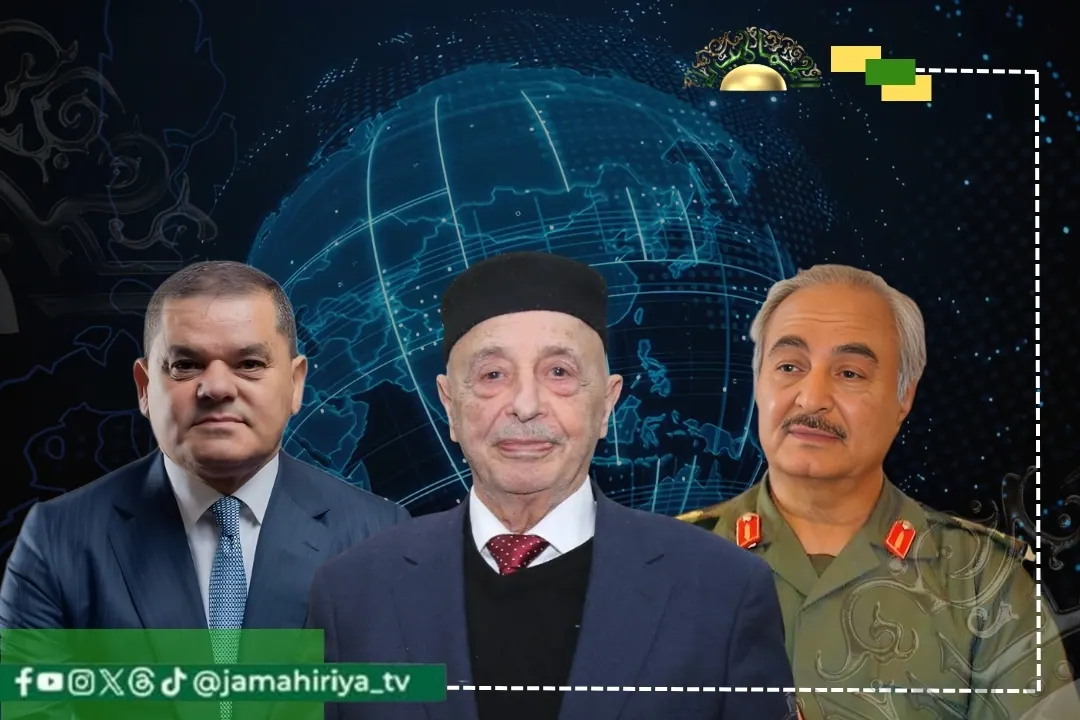
Aqila Saleh has been a central figure in Libya's tumultuous politics since his election as Speaker of the House of Representatives in August 2014. His rise to power occurred during a period of intense conflict and division in the country. Saleh was elected in a session held in the city of Tobruk, securing 77 votes in the second round against 74 for his opponent, Abu Bakr Baeira. This election took place amidst disputes over the parliament's location and the legitimacy of the session.
Saleh's tenure as Speaker has been characterized by Libya's ongoing struggle with conflict and political division. The country has been embroiled in battles in Benghazi and Tripoli, and there has been a persistent divide between the east and west. The parliament under Saleh's leadership has been a key player in the struggle for legitimacy and control. Criticisms have been levied against the parliament's performance, with allegations of mismanagement and contentious financial and political decisions.
Saleh's relationships with regional powers have also been a significant aspect of his tenure. He has been accused of having close ties with Egypt, the United Arab Emirates, and Turkey. There have been reports of his visits to these countries and the implications for his political future and alliances. Notably, Saleh sought Egyptian support to counter Turkish intervention in Libya.
Saleh has been involved in several controversies throughout his career. He has been at odds with various Libyan political figures, including Mustafa Abdul Jalil. Saleh's positions on key issues, such as a document of principles and the "Odessa" operation, have sparked debate. His relationship with Khalifa Haftar, a prominent military leader, has been particularly significant.
The alliance between Saleh and Haftar has been a defining feature of Libya's recent history. However, Haftar has faced criticism and allegations related to various incidents and security issues. There have been reports of human rights abuses and contentious actions during the conflict.
On October 5, 2026, the Libyan parliament voted to limit the term of its leadership to 12 months. This move paves the way for a new leadership, potentially ending Saleh's tenure as Speaker. The parliament, with 102 members present, approved a proposal to hold new elections for the leadership.
The new rules state that the leadership's term will end after 12 months, and a new leadership will be elected within seven days of the start of the new session. If the current leadership refuses to call for a new election, the parliament will convene by law. This development marks a significant shift in Libya's political landscape.
Key points
- The Libyan parliament has voted to limit its leadership's term to 12 months.
- Aqila Saleh's tenure as Speaker has been marked by conflict, division, and controversy.
- The new rules pave the way for a new leadership, potentially ending Saleh's tenure.