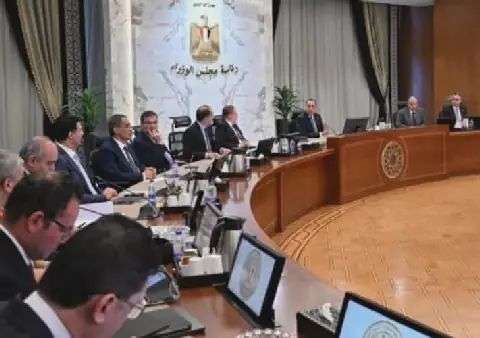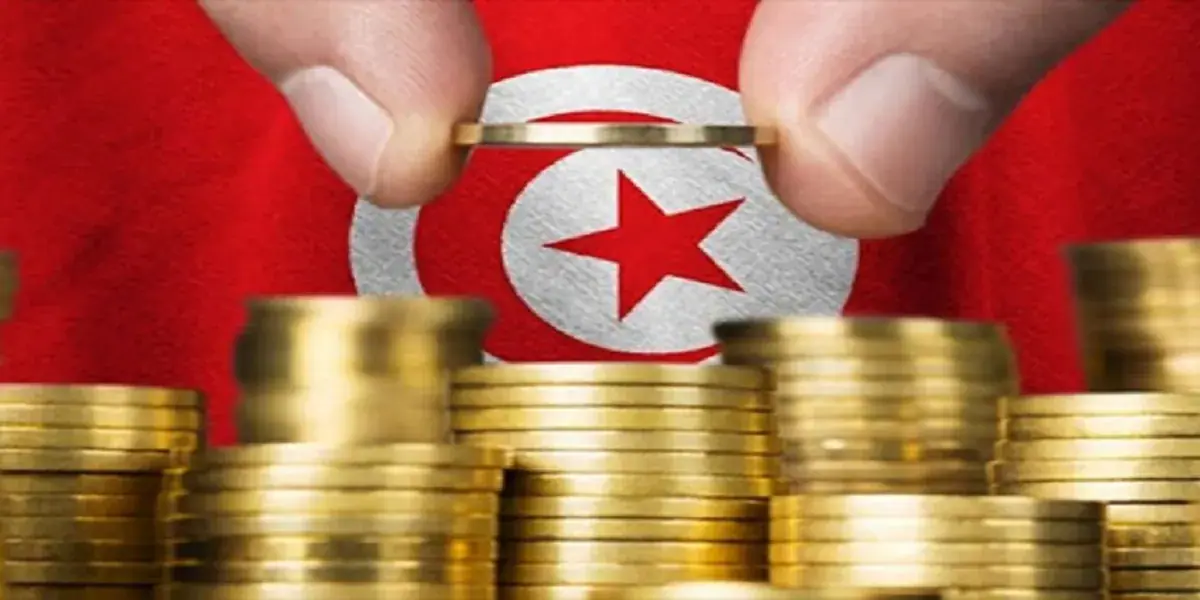
The Tunisian parliament's committees convened on November 2, 2026, to discuss the 2027 state budget, focusing on the allocations for the presidency, government, and the National Council for Regions and Districts. The presidency's budget for 2027 stands at over 248 million dinars, marking an 8.2% increase from 2026. This growth reflects the government's efforts to enhance its operations and tackle the country's challenges.
According to parliament member Riadh Jaidane, rental fees account for approximately 72% of the presidency's budget. He emphasized the importance of the National Institute for Strategic Studies in addressing Tunisia's challenges and developing the state's strategic plans. The institute's role is seen as crucial in shaping the country's future and informing policy decisions.
The government, led by the prime minister, has been allocated 378 million dinars for 2027, representing a 5% increase from the previous year. This allocation is expected to support the government's initiatives and projects aimed at promoting economic growth and stability. Parliament member Sami Rais highlighted the need to review certain laws and regulations, such as the Public Service Law.
Sami Rais also called for revising the law regulating public contracts and monitoring public institutions and companies. He emphasized the importance of addressing the status of temporary workers in public services. These reforms aim to improve the efficiency and transparency of public administration.
The National Council for Regions and Districts has been allocated over 32 million dinars for 2027, marking a significant 34.5% increase. This growth reflects the government's efforts to decentralize power and enhance regional development. The council plays a vital role in promoting regional cooperation and addressing local challenges.
The discussions on the 2027 budget plan are ongoing, with parliament members scrutinizing the allocations and proposing amendments. The budget plan is expected to be passed into law soon, paving the way for its implementation. The government's ability to effectively manage the budget will be crucial in achieving its development goals.
The 2027 budget plan is seen as a critical tool for addressing Tunisia's economic and social challenges. The allocations for the presidency, government, and the National Council for Regions and Districts reflect the government's priorities and commitment to promoting growth and stability. The implementation of the budget plan will be closely monitored by parliament and the public.
Key points
- The Tunisian government has allocated over 626 million dinars for the presidency and government tasks in 2027.
- The budget plan for 2027 includes a 34.5% increase for the National Council for Regions and Districts.
- Parliament members have emphasized the need for reforms and improvements in public administration and regulations.