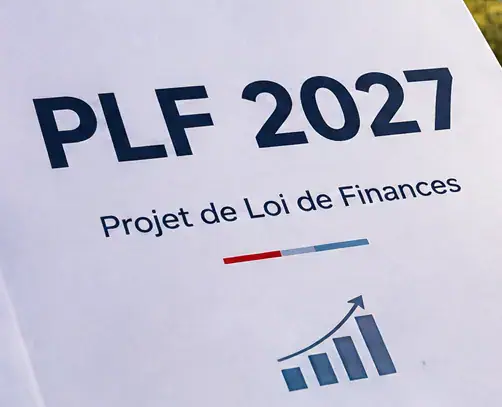
The Tunisian government has unveiled its 2027 budget, projecting expenditures of 68.9 billion dinars, up from 63.58 billion dinars in 2026, while revenues are expected to reach 54.3 billion dinars. To bridge the gap, the government plans to borrow over 28 billion dinars, with 9.8 billion dinars in interest-free facilities from the central bank. This approach has raised concerns about inflation and the crowding out of private sector lending.
The budget was prepared against a backdrop of global instability, including the conflict in Iran and the closure of the Strait of Hormuz, which have driven up oil prices. As a net energy importer, Tunisia is highly sensitive to fluctuations in global energy markets. The 2026 budget was based on an oil price of $63.3 per barrel, and every additional dollar increase costs the state approximately 160 million dinars. The government's growth forecast of 3.1% in 2027 appears ambitious, given the World Bank's estimate of 2.1%.
For the fourth consecutive year, the Central Bank of Tunisia will provide direct financing to the state, amounting to 9.8 billion dinars in interest-free facilities repayable over 15 years. This financing method avoids adding to the country's foreign debt but fuels monetary creation and inflation, diverting national savings from productive investment. The majority of the borrowing will come from the local market, with only 6.9 billion dinars expected from foreign sources.
The government's current expenditure continues to rise, driven by a 2.08 billion dinar increase in the wage bill, reflecting 32,557 new recruitments and regularizations. These rigid expenditures are challenging to reduce once incurred. While the government claims a success in reducing the debt service burden by 7.4% to 21.3 billion dinars, the overall debt is expected to reach 85% of GDP.
The tax burden in Tunisia remains high, with fiscal revenues projected to reach 49.6 billion dinars, up 4.7% from the previous year. The government has instead opted to increase taxes on certain items, such as travel abroad, games, and alcoholic beverages, rather than introducing comprehensive reforms. The budget also includes some limited tax exemptions, including for solar energy equipment.
The budget's investment allocation remains constrained by high debt servicing costs and salaries. The most concrete measure in the budget relates to renewable energy, with exemptions from customs duties, VAT, and the FODEC tax for battery storage. However, this move comes after the recent energy crisis and falls short of industry expectations, which had called for zero customs duties on all solar equipment.
The budget's credibility has been questioned due to the government's failure to implement several measures from the 2026 budget, including a promised "car for every family" initiative. The lack of clear implementation mechanisms and financing for such initiatives has raised concerns about the government's ability to deliver on its promises.
Key points
- The 2027 budget prioritizes managing constraints over implementing structural reforms.
- Increased borrowing and central bank financing have raised concerns about inflation and crowding out private sector lending.
- The budget's focus on renewable energy, including exemptions for solar equipment, is seen as a positive step but falls short of industry expectations.
Reporting sources
- Budget 2027 : la Tunisie gère la contrainte, sans oser la réforme · L'Économiste maghrébin