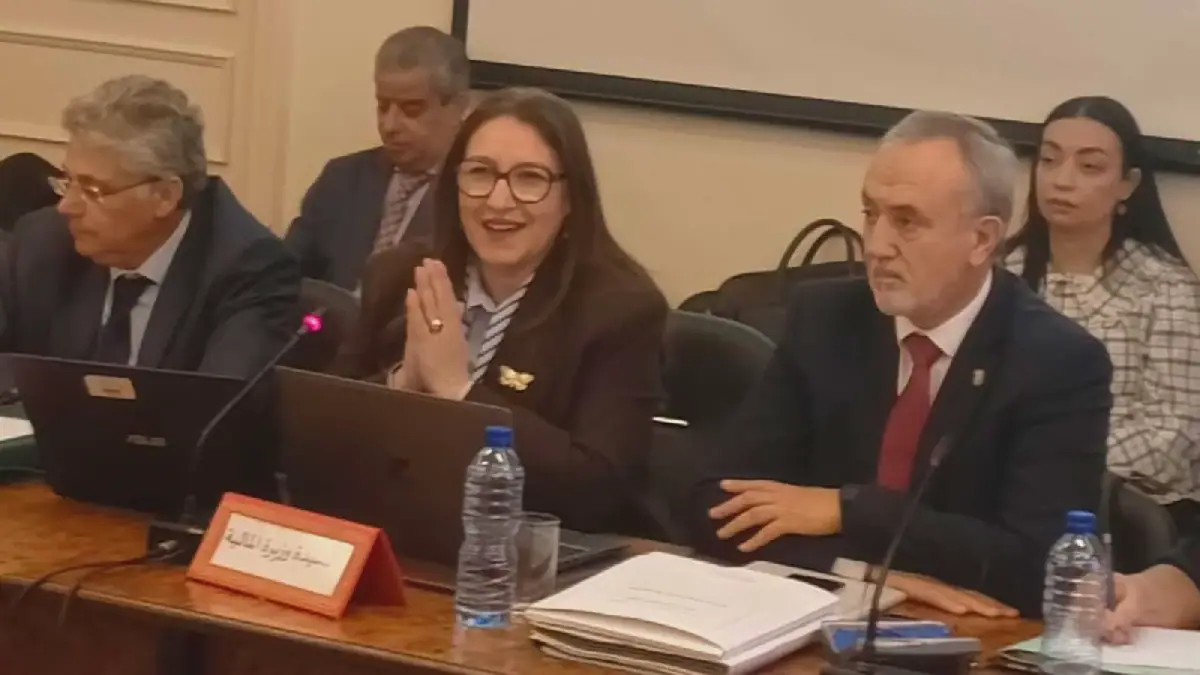
Tunisia's public debt is projected to reach 85% of GDP by the end of 2027, up from 83.7% expected at the end of 2026 and 83.3% recorded in 2025, according to Finance Minister Michket Slama Khaldi. The minister presented the 2027 budget plan to parliament, highlighting the challenges posed by rising debt and the need for careful financial management. The country's debt has been trending upward, influenced by external shocks and domestic difficulties.
The minister explained that borrowing is sometimes necessary to maintain macroeconomic stability without increasing the tax burden or passing on the impact of higher international energy prices. The government aims to support economic activity and investment while managing debt levels. Khaldi noted that the price of fuel had been adjusted in April and May due to rising oil prices, but the government had chosen not to pass on the full impact to consumers for social reasons.
The 2027 budget plan includes a reduction in external debt, which now accounts for 31.4% of total public debt, down from previous years. The government's financing needs for 2027 are estimated at 26.722 billion dinars, up 3.5% from 2026. This includes 13.307 billion dinars for debt repayment and 68.895 billion dinars for expenditures, with 27.349 billion dinars allocated for salaries. A significant portion of the budget is dedicated to social interventions and subsidies.
The budget plan allocates 5.091 billion dinars for social interventions and 11.846 billion dinars for subsidies, including 7.090 billion dinars for hydrocarbon compensation and 4.036 billion dinars for food products. The government has also budgeted 720 million dinars for public transportation subsidies. Development expenditures are set at 12.530 billion dinars. The budget assumes an average oil price of $80 and a GDP growth rate of 3.1%.
The government's revenue projections for 2027 are 54.280 billion dinars, with tax revenues expected to reach 49.600 billion dinars, or 91.4% of total revenue. This leaves a significant financing gap, which the government plans to cover through borrowing. Deputies have reacted to the budget plan, calling for measures to reduce the tax burden and dependence on debt, while increasing investment and wealth creation.
Some deputies have suggested expanding the tax base to include informal economic activities, which could generate additional revenue and reduce the need for borrowing. Others have proposed revising the compensation system to target vulnerable social groups and support income-generating activities. The digitalization of distribution systems and stricter controls on contraband have also been proposed to improve transparency and fairness.
The budget debates are set to continue, with deputies pushing for more resources for development and investment. Some have expressed concerns about the limited envelope for development expenditures, suggesting that the budget prioritizes deficit financing over growth. Others have called for incentives to encourage investment in renewable energy and water conservation, as well as measures to deter waste and tax evasion.
Key points
- Tunisia's public debt is expected to reach 85% of GDP by end-2027.
- The 2027 budget plan aims to balance financial needs with economic growth.
- Deputies have proposed measures to reduce the tax burden and dependence on debt.