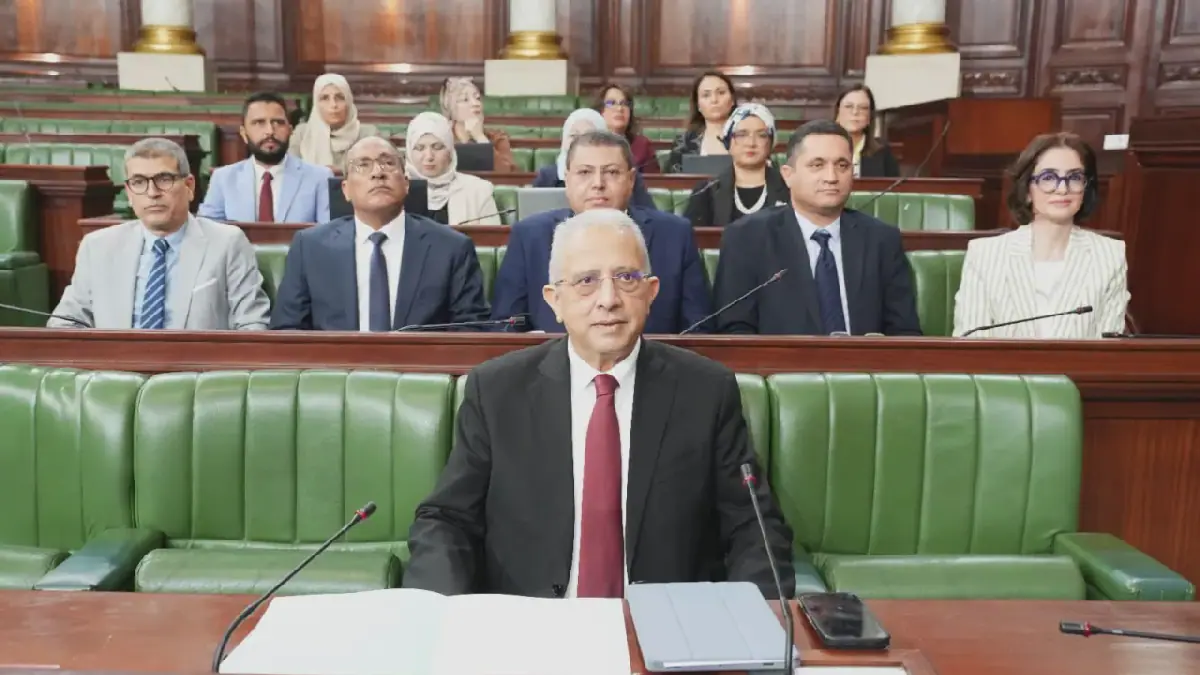
Tunisia's Minister of Health, Mustafa Al-Ferjani, announced that the government has reviewed the prices of 300 pharmaceutical specialties. The review, which included both increases and decreases, was based on the nature of the medications and their availability in the market. This move aims to ensure a stable and accessible pharmaceutical supply for the population. The announcement was made during a joint plenary session dedicated to discussing the health sector.
Minister Al-Ferjani emphasized the government's commitment to continuing the digitalization of the supply system, monitoring stock levels, and improving distribution channels. Tunisia currently has 34 industrial units for pharmaceuticals, which meet 80% of the country's needs. The minister highlighted the government's focus on developing the biotechnology industry, aiming to start manufacturing insulin and cancer medications locally.
The development of the local pharmaceutical industry is part of a broader strategy to increase the proportion of domestically produced medications to 20%. This initiative seeks to reduce reliance on imports and enhance the country's self-sufficiency in meeting its pharmaceutical needs. By fostering local production, Tunisia aims to improve access to essential medicines and control healthcare costs.
In terms of governance and oversight, the Ministry of Health has conducted 117 administrative and financial inspection missions. Several cases have been referred to the judiciary, underscoring the government's efforts to ensure transparency and accountability in the pharmaceutical sector. Minister Al-Ferjani stressed that guaranteeing the availability of medications requires meticulous planning, support for local production, and enhanced coordination among stakeholders.
The minister highlighted the significance of collaboration between various actors in the healthcare sector to address existing challenges. He expressed his commitment to listening to citizens' concerns, addressing their issues, and working responsibly to resolve outstanding problems. This approach aims to build trust and improve the overall quality of healthcare services in Tunisia.
The review of pharmaceutical prices and the push for local production are part of Tunisia's efforts to strengthen its healthcare system. By enhancing domestic production and improving distribution channels, the government seeks to ensure a stable supply of essential medications. This strategy is expected to have a positive impact on public health and the economy.
The Ministry of Health's efforts to improve the pharmaceutical sector are ongoing, with a focus on ensuring the availability and accessibility of medications for all citizens. The government's commitment to transparency, accountability, and responsible management of the healthcare sector is crucial for achieving these goals and improving the overall well-being of the population.
Key points
- The Tunisian government has reviewed prices of 300 pharmaceutical specialties to ensure their availability and accessibility.
- Tunisia aims to increase the proportion of domestically produced medications to 20%.
- The Ministry of Health has conducted 117 inspection missions to ensure transparency and accountability in the pharmaceutical sector.
Reporting sources
- شملت الترفيع والتخفيض.. مراجعة أسعار 300 اختصاص دوائي · Assabah News