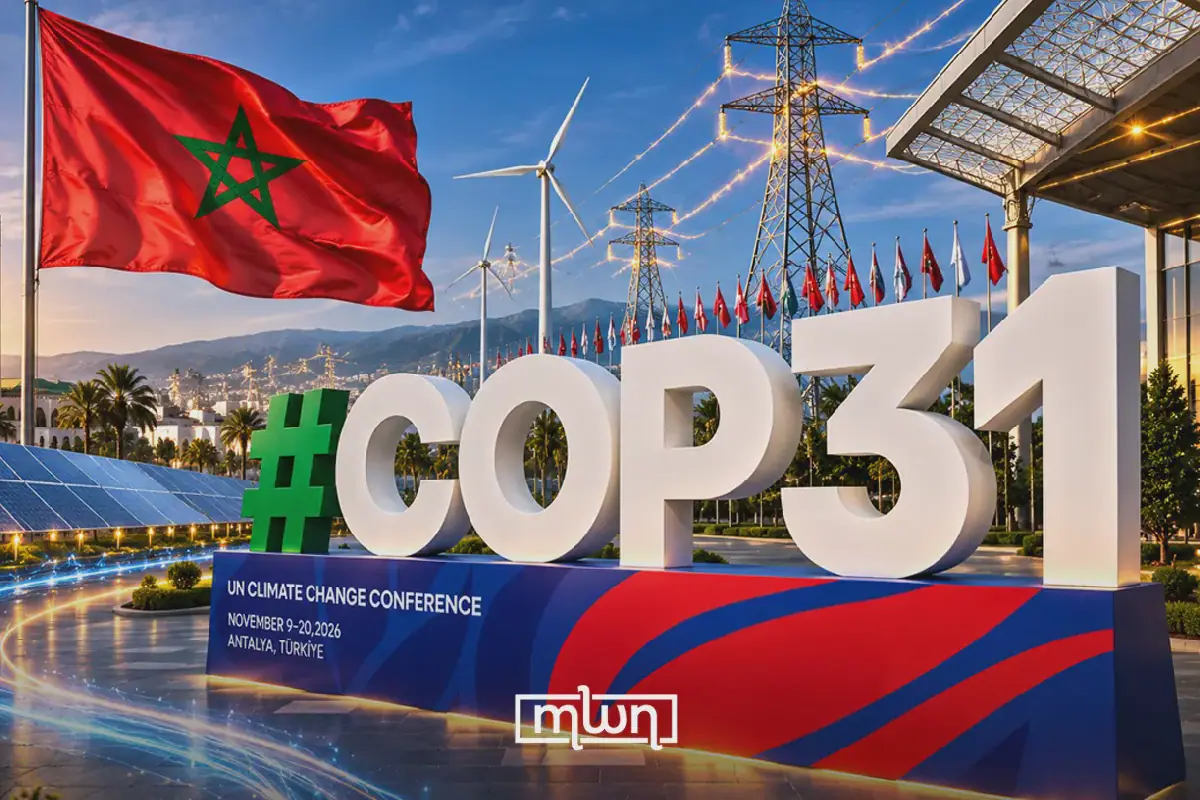
As COP31 kicks off in Antalya, Morocco is poised to make a strong case for a transition to renewable energy that goes beyond conference halls. The North African country has long viewed renewable energy as both an economic opportunity and an environmental responsibility. With solar and wind power supporting industry, reducing reliance on imported fuels, and creating technical jobs, Morocco is well-positioned to lead the conversation on sustainable energy.
The Turkish-hosted conference has proposed increasing electricity's share of global energy use to 35% by 2035, sparking discussion on the choices governments must make about energy systems. For Morocco, this conversation is especially relevant, as the country has made significant strides in renewable energy. However, the focus should not only be on generating cleaner electricity but also on delivering a reliable and effective electricity service. This includes addressing issues such as voltage fluctuations, transformer failures, and ensuring that essential equipment is included in emergency power inventories.
A key aspect of Morocco's contribution to the global debate is insisting that electricity policy includes the quality of service experienced by people. This requires investment in networks, storage, maintenance, skilled technicians, and clear responsibility when failures occur. Transparent measures that distinguish installed capacity from usable power are also essential. Governments should report interruptions, restoration times, and service inequalities alongside new generating projects. This approach will help ensure that the energy transition is designed with the needs of people in mind.
Morocco can also capitalize on its industrial ambitions by connecting energy planning to workforce training, local supply chains, and technical colleges. By doing so, the country can support a generation of engineers and operators capable of maintaining the systems that sustain growth. This approach is in contrast to concentrating investment solely on visible projects, which can leave countries dependent on distant expertise for ordinary repairs. The United Arab Emirates offers a relevant comparison, having built large energy and infrastructure projects that demonstrate the value of connecting ambition to institutions, technical capacity, and long-term planning.
Operational risk management is a crucial aspect of the climate discussion, particularly when it comes to major electricity expansions. Every project should be tested against difficult questions, such as how supply will continue during extreme heat events, which public services receive priority during shortages, and who has authority to act when automated controls and human judgment disagree. These considerations determine whether a pledge has practical value and can be felt beyond conference halls.
COP31 provides Morocco with an opportunity to argue for a transition that prioritizes reliable hours of power, safer public services, productive workplaces, and technicians who can keep the lights on. By focusing on these aspects, Morocco can turn an electricity ambition into something genuinely national and genuinely human. The next chapter in Morocco's energy story should be measured by its impact on people's daily lives, rather than just international pledges.
As Morocco continues to push for a reliable and sustainable energy future, the country's experience can serve as a model for others. By connecting energy planning to industrial ambitions and prioritizing the quality of service experienced by people, Morocco can demonstrate that a transition to renewable energy is not only necessary but also achievable. With COP31 providing a platform for discussion, Morocco is poised to make a lasting impact on the global energy conversation.
Key points
- Morocco is pushing for a transition to renewable energy that prioritizes reliable and affordable electricity for all.
- The country is emphasizing the importance of investing in networks, storage, and maintenance to ensure a high-quality electricity service.
- Morocco's experience can serve as a model for others in transitioning to a sustainable energy future.
Reporting sources
- Read article: The Electricity Conversation Morocco Needs · Morocco World News