The Tunisian government is reviewing its 2020 decree banning certain types of plastic bags, with a new draft decree currently under study at the Ministry of Environment. The review comes as plastic pollution becomes an increasingly pressing issue in the country, with 77% of waste collected on Tunisian beaches being plastic. According to Afef Hammami Marrakchi, an environmental law specialist, the new decree aims to address the shortcomings of the current ban and provide a more comprehensive approach to reducing plastic waste.
The current decree, which was introduced in 2020, has faced several challenges, including unclear definitions of infractions and sanctions, difficulties in identifying banned bags, and a lack of monitoring and control. The new draft decree seeks to address these issues by providing clearer definitions, expanding the scope of the ban, and introducing a national digital platform for tracking and transparency. The platform will use a QR code to track plastic bags produced, imported, and distributed in the country.
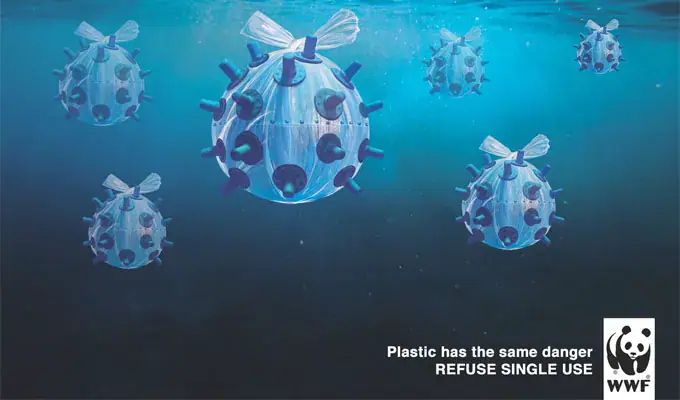
The plastic pollution problem in Tunisia is part of a larger issue in the Mediterranean region, where 75% of solid waste is made up of plastic. According to a study conducted in 2023, plastic waste is omnipresent on Tunisian beaches, with 77% of waste collected being plastic. The most common plastic items found on beaches include plastic caps, cigarette butts, and plastic bags. The Tunisian government has launched several initiatives to tackle the problem, including the National Green Economy Strategy and the National Strategy for Integrated Waste Management.
The new draft decree also proposes stricter controls and sanctions for non-compliance, including the immediate confiscation of banned plastic bags and fines corresponding to the value of the bags. The decree aims to ensure a transition to a more sustainable and environmentally-friendly approach to plastic use, while also being economically and socially acceptable. According to Marrakchi, the main challenge is not just banning single-use plastic bags but ensuring a clear, technically feasible, and economically sustainable transition.
The Tunisian government has also highlighted the dangers of chemical additives associated with plastics, which can have negative impacts on human health and fertility. With global plastic production expected to triple by 2060, the government is under pressure to take effective action to reduce plastic waste. The country's National Strategy for Ecological Transition and National Coastal Strategy without Plastic aim to address the issue, but more needs to be done to tackle the growing problem of plastic pollution.
The review of the plastic bag ban is part of a broader effort by the Tunisian government to address environmental issues and promote sustainable development. The country has made commitments to reduce its greenhouse gas emissions and improve its waste management practices, but progress has been slow. With the support of international organizations, including the European Union, Tunisia is working to develop more effective policies and strategies to tackle environmental challenges.
As the review of the plastic bag ban continues, stakeholders are emphasizing the need for a comprehensive and multi-faceted approach to addressing plastic pollution. This includes not only banning certain types of plastic bags but also promoting sustainable practices, improving waste management infrastructure, and raising awareness about the impacts of plastic pollution. With 5.8 million tons of microplastics expected to be released globally by 2060, the need for action is urgent.
Key points
- The Tunisian government is reviewing its 2020 decree banning certain types of plastic bags as part of a broader effort to address plastic pollution.
- Plastic pollution is a significant problem in Tunisia, with 77% of waste collected on beaches being plastic.
- The new draft decree proposes stricter controls and sanctions for non-compliance, including the immediate confiscation of banned plastic bags and fines.