In eastern Chad, the regions of Ngourgoudji and the Arkoum refugee camp continue to struggle with accessing essential healthcare and clean water. Despite support from UNICEF and its partners, the area faces significant challenges, including a shortage of medical personnel, high maternity ward usage, and difficulties in water supply. A recent field visit revealed progress, but also highlighted the remaining needs in these critical areas. The healthcare district of Ngourgoudji covers fifteen villages and hosts a significant refugee population, placing immense pressure on its limited medical staff.
The district's health center, which serves as a critical healthcare provider, faces a substantial shortage of personnel. With only one midwife responsible for the entire district, the workload is considerable. Hissein Adoum Foth, the health center's manager, notes that they rely on traditional birth attendants and a partner-supported midwife, albeit temporarily. The center is also assisted by the Committee de gestion du centre de santé (COGES), a community-led structure that helps manage the facility. This support is crucial in maintaining the center's operations.
Victoria, a dedicated midwife at the health center, is passionate about her work, stating that helping to give life is her dream job. However, she faces a heavy workload, with over 100 patients on market days and 15 to 20 on other days. When multiple women arrive simultaneously for childbirth, the situation becomes particularly challenging. Victoria appeals to UNICEF and its partners to consider recruiting more midwives to support the center. Her call highlights the need for sustained support to address the healthcare workforce shortage.
The presence of the health center has significantly improved the local population's access to healthcare. Residents express gratitude for the convenience of receiving medical care locally, with only severe cases referred to Hadjer Hadid. One local woman notes that previously, they had to travel long distances for consultation or treatment, but now they can access care closer to home. This development represents a considerable improvement in the quality of life for the community.
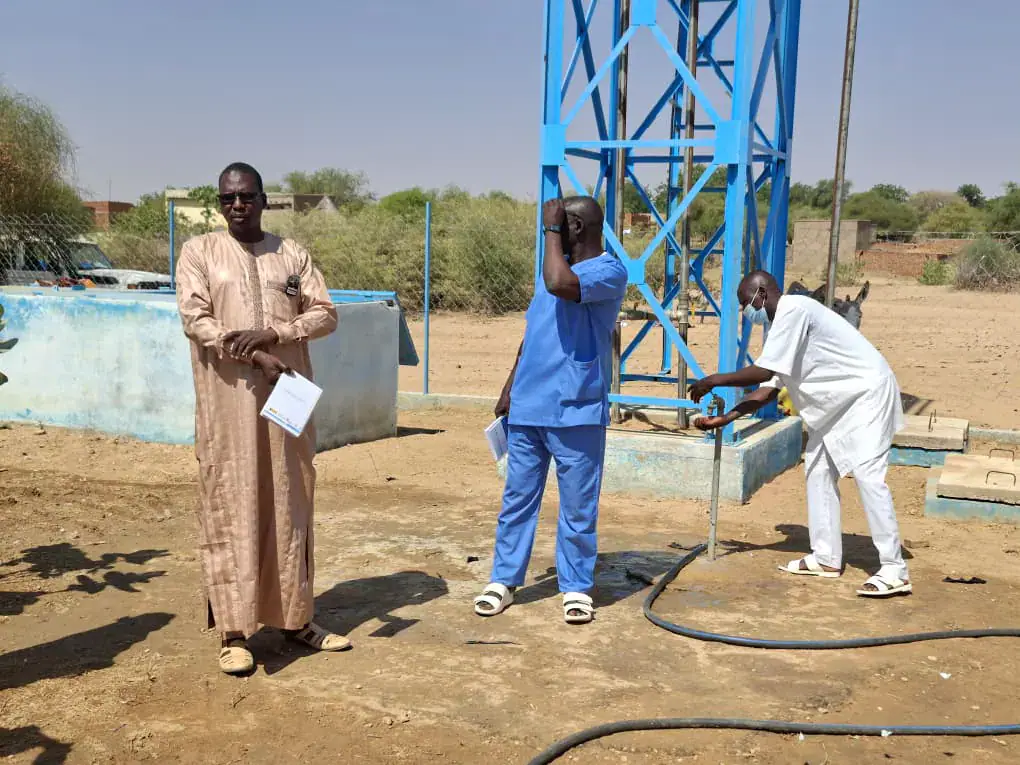
Beyond healthcare, access to clean water is another pressing concern in Ngourgoudji. A borehole, constructed with UNICEF's support, serves as the village's sole source of potable water, also catering to surrounding communities. The high demand sometimes leads to supply difficulties, affecting the health center's own water needs. The community urges for additional water points to meet everyone's requirements, ensuring that both healthcare and domestic needs are adequately addressed.
The health center's operations are bolstered by the Committee de gestion du centre de santé (COGES), which plays a vital role in its management. This committee, led by community leaders, helps ensure the center's continued functioning despite the challenges it faces. The collaboration between the health center's staff, COGES, and external supporters like UNICEF is essential in providing essential healthcare services to the local population.
The situation in Ngourgoudji and Arkoum underscores the need for sustained support to address the region's healthcare and water access challenges. While progress has been made, significant work remains to be done to ensure that the population has reliable access to these essential services. The local community, along with organizations like UNICEF, must continue to work together to find solutions to these pressing issues, ultimately improving the quality of life for those living in eastern Chad.
Key points
- The healthcare district of Ngourgoudji faces a substantial shortage of medical personnel, with only one midwife responsible for fifteen villages and a significant refugee population.