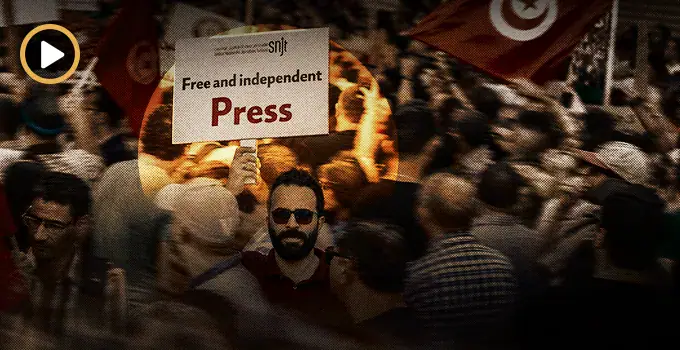
On November 2, 2026, Tunisia joins the world in observing the International Day Against Impunity for Crimes Against Journalists. In recent years, the country's media landscape has faced significant challenges. The Tunisian authorities, under the leadership of President Kais Saied, have been accused of suppressing press freedom and prosecuting journalists for their opinions and work.
The situation for journalists in Tunisia has become increasingly precarious. Many have been imprisoned, forced into exile, or subjected to smear campaigns and threats. The authorities have used various laws and decrees to silence critical voices, effectively criminalizing independent journalism. This has led to a climate of fear and self-censorship, with many journalists and media outlets feeling vulnerable to reprisals.
One notable case is that of journalist Mohamed Youssefi, who was prosecuted for his work. His case has been highlighted as an example of the government's attempts to stifle press freedom. In an interview, Hala Ben Salem described Youssefi's trial as a "trial of free press." The case has sparked widespread concern among human rights defenders and journalists.
The issue of impunity for crimes against journalists is a pressing concern in Tunisia. The country's authorities have been accused of failing to investigate and prosecute those responsible for attacks on journalists. This lack of accountability has created a culture of impunity, where perpetrators feel they can act with little consequence.
The impact of these developments on journalists and their families has been severe. Many have faced harassment, intimidation, and even imprisonment. In an interview, Insaf Sbaei spoke about the struggles faced by the families of imprisoned journalists. The human rights situation for journalists in Tunisia remains a significant concern.
The international community has expressed concern about the situation for journalists in Tunisia. The country's media landscape has been criticized for its lack of diversity and independence. The authorities have been urged to respect press freedom and ensure that journalists can work without fear of reprisals.
As Tunisia marks the International Day Against Impunity, journalists and human rights defenders are calling for greater accountability and action to protect press freedom. The case of journalist Ziyad Heni, who was also prosecuted for his work, has been highlighted as an example of the need for greater protection for journalists. Three key points emerge: the Tunisian authorities must respect press freedom, ensure accountability for crimes against journalists, and protect journalists from harassment and intimidation.
Key points
- Journalists in Tunisia face significant challenges, including prosecution and imprisonment for their work.
- The Tunisian authorities have been accused of suppressing press freedom and failing to investigate crimes against journalists.
- The international community has expressed concern about the situation for journalists in Tunisia and called for greater accountability and action to protect press freedom.