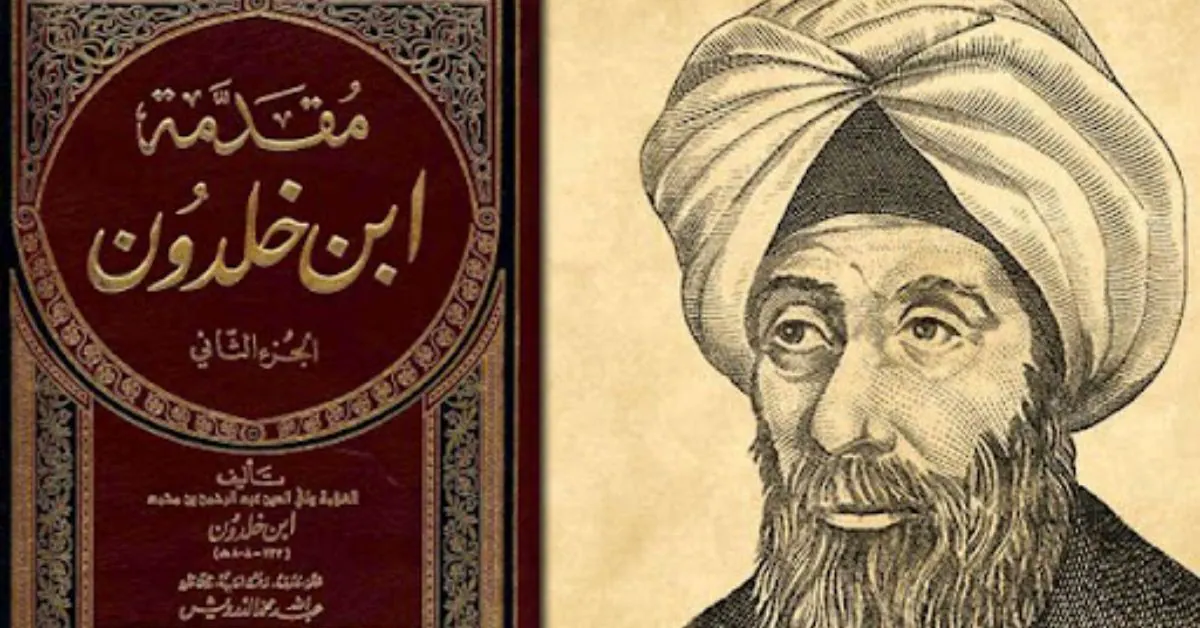
On September 19, 2026, Tunisia marked a significant cultural milestone as the 'Introduction to Ibn Khaldun' was officially registered on UNESCO's Memory of the World list. The announcement was made during a ceremony at the Palace of Arts, Culture, and Literature in Bardo, attended by intellectuals, researchers, and cultural enthusiasts. This achievement is a testament to the country's rich cultural heritage and its efforts to preserve and promote its historical significance.
The registration of Ibn Khaldun's 'Introduction' on the UNESCO list is the result of collaborative efforts between Tunisia and three other countries: Algeria, Turkey, and Egypt. These nations submitted joint files to nominate Ibn Khaldun and his works for inclusion on the list. The initiative, launched in 2024, aimed to highlight the importance of Ibn Khaldun's contributions to human knowledge and cultural heritage.
Abd al-Hamid al-Arqash, a historian and coordinator of the International Committee for the Nomination of Ibn Khaldun, emphasized the significance of this achievement. He noted that the event also coincided with the 26th edition of the Ibn Khaldun Prize for Human and Social Sciences and the 2nd edition of the Mahmoud Darwish Prize for Poetry. These prizes recognize outstanding contributions to literature, science, and culture.
The 'Introduction to Ibn Khaldun' is considered a foundational work in the fields of sociology, historiography, and philosophy. Written by Abd al-Rahman Ibn Khaldun, a renowned Tunisian scholar, the book provides valuable insights into the history and culture of the Arab world. Its registration on UNESCO's Memory of the World list ensures its preservation and accessibility for future generations.
The ceremony also highlighted the importance of cultural cooperation and exchange between nations. The event brought together intellectuals and researchers from various countries, fostering a spirit of collaboration and mutual appreciation for cultural heritage. This achievement demonstrates Tunisia's commitment to promoting its cultural legacy and contributing to the global cultural landscape.
The UNESCO Memory of the World program aims to preserve and promote documentary heritage of global significance. By registering Ibn Khaldun's 'Introduction' on the list, Tunisia has taken a significant step in safeguarding its cultural heritage and ensuring its recognition at the international level. This achievement is expected to inspire further efforts to preserve and promote Tunisia's rich cultural legacy.
The registration of Ibn Khaldun's 'Introduction' on UNESCO's Memory of the World list is a testament to the country's dedication to cultural preservation and promotion. This achievement is expected to have a positive impact on Tunisia's cultural and intellectual landscape, highlighting the importance of Ibn Khaldun's contributions to human knowledge and cultural heritage.
Key points
- Tunisia registers Ibn Khaldun's 'Introduction' on UNESCO's Memory of the World list
- The registration is a result of collaborative efforts between Tunisia and three other countries
- The achievement highlights Tunisia's commitment to preserving and promoting its cultural heritage