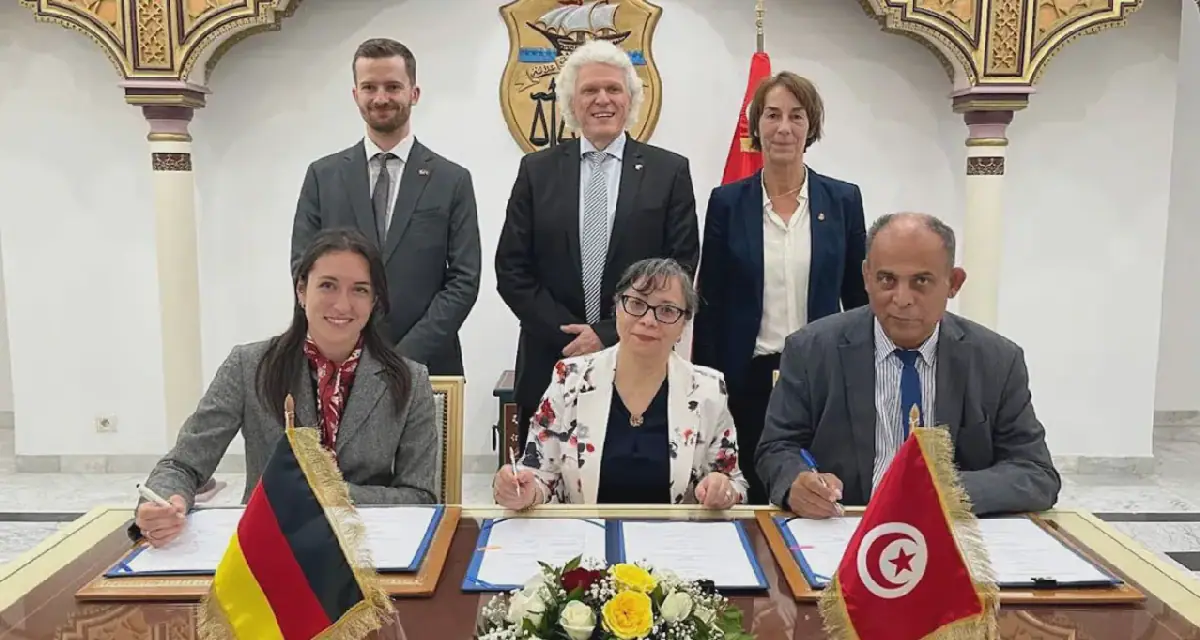
The government of Tunisia has secured a €20 million grant from Germany to support the rehabilitation and energy efficiency improvement of the Chotrana 1 wastewater treatment plant. Located in the Tunis suburb, this plant is the country's largest sanitation infrastructure, serving around one million residents of Greater Tunis. The financing agreement was signed on November 18, 2026, at the Ministry of Foreign Affairs, Migration, and Tunisians Abroad.
The project, valued at a total of 355 million dinars, aims to modernize the plant and enhance its environmental performance. According to the National Sanitation Office (ONAS), the planned works will improve operating conditions and boost the plant's environmental sustainability. The program also includes the use of renewable energy sources to reduce energy consumption and optimize operations.
The upgrade is expected to minimize the environmental impact of wastewater treatment, conserve natural resources, and protect local ecosystems, ultimately benefiting public health. This initiative is part of ongoing intergovernmental negotiations between Tunisia and Germany on development cooperation. The German grant will support efforts to upgrade sanitation infrastructure and ensure the long-term provision of essential services, particularly in densely populated urban areas.
The Chotrana 1 plant plays a vital role in treating wastewater for a significant portion of the Greater Tunis population. Its modernization is crucial for maintaining the health and well-being of residents. The project will not only improve the plant's efficiency but also contribute to a more sustainable and environmentally friendly sanitation system.
Tunisia has been working to improve its sanitation infrastructure, and this German grant is a significant step towards achieving this goal. The country's efforts to upgrade its sanitation systems are essential for protecting public health and the environment. The Chotrana 1 plant upgrade is a key component of these efforts.
The use of renewable energy sources in the plant's operations will reduce energy consumption and lower the plant's carbon footprint. This aligns with global efforts to promote sustainable development and mitigate climate change. The project will serve as a model for future sanitation infrastructure upgrades in Tunisia.
The successful implementation of this project will have a positive impact on the environment, public health, and the local economy. It will also demonstrate the effectiveness of international cooperation in addressing development challenges. The upgraded Chotrana 1 plant will be a significant achievement for Tunisia's sanitation sector.
Key points
- Germany provides Tunisia with a €20 million grant to upgrade the Chotrana 1 wastewater treatment plant.