The International Energy Agency, in its annual report on Global Energy Outlook, has warned that the Middle East crisis, which began in February, poses an unprecedented threat to energy security. The agency notes that the crisis will have lasting impacts on global markets, similar to previous energy shocks. Consumers are paying an increasing price for this crisis as options to mitigate the effects of supply disruptions dwindle.
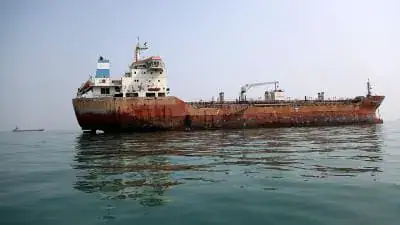
The report highlights that households are bearing a larger share of the cost due to the world's reduced ability to absorb the impact of the conflict. The crisis has led to difficulties in exporting oil from the Gulf region since Iran imposed strict controls on navigation in the strategic Strait of Hormuz. The strait was previously a key passage for around five shipments of oil and liquefied natural gas in the world.
According to the agency's director, Fatih Birol, the Strait of Hormuz crisis has caused the greatest threat to energy security in history, far surpassing the oil shocks of the 1970s. Several countries have made efforts to alleviate the crisis's impact on consumers, including producing countries releasing additional supplies and finding alternative routes.
Despite government measures, consumers have faced rising prices and supply shortages in some cases. Birol emphasized that the longer the crisis lasts, the deeper its effects will be, and he doubts that there is a reliable path for the energy world to return to its pre-crisis state. The global energy sector and economy have shown significant resilience.
The agency's forecasts are based on three main scenarios, including one that assumes current policies continue, another that includes announced policies that have not yet been implemented, and a third that assumes global net emissions will reach zero by 2050. According to the second scenario, the agency expects global oil demand to peak around 2030 before gradually declining.
In contrast, the agency predicts that gas demand will continue to rise until around 2035. This year's report includes two additional scenarios that examine the consequences of the Middle East crisis continuing. The agency's report aims to provide a comprehensive analysis of the current energy landscape and potential future developments.
The International Energy Agency's warning highlights the urgent need for a stable and secure energy supply. The agency's report provides a detailed assessment of the current crisis and its potential impact on the global energy market. As the crisis continues, its effects on energy security and the global economy will remain a major concern.
Key points
- The International Energy Agency warns that the Middle East crisis poses the greatest threat to energy security in history.
- The crisis has led to difficulties in exporting oil from the Gulf region and rising prices for consumers.
- The agency's forecasts are based on three main scenarios, including one that assumes global net emissions will reach zero by 2050.
Reporting sources
- وكالة الطاقة الدولية تحذر من تهديد غير مسبوق لأمن الطاقة · saharamedias.net