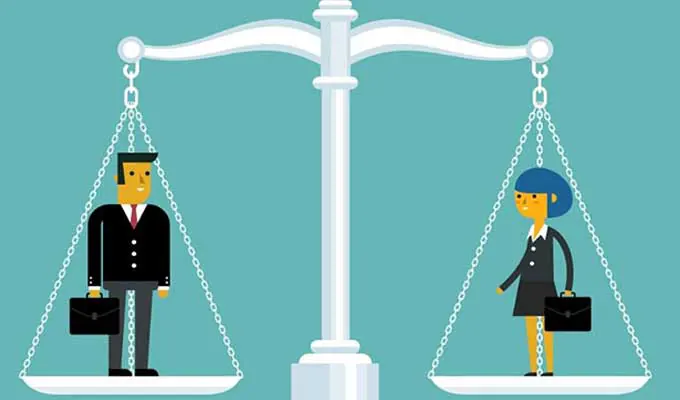
The World Economic Forum has released its 20th edition of the Global Gender Gap Report, which evaluates the progress made towards gender parity across 145 economies. In 2026, Tunisia scored 65% in the Global Gender Gap Index, placing it at 125th position globally. This ranking is based on data collected by the Arab Institute of Business Leaders (IACE), which is an official partner of the World Economic Forum.
According to the report, the global gender gap has improved by 5.2% since 2006. However, at the current rate of progress, it would take approximately 120 years to close the gap. The report highlights that progress has been significant in education and health, where parity could be achieved in 8 years. Conversely, the gaps in economic participation and political empowerment are more persistent, with estimated closure times of 129 years and 194 years, respectively.
Tunisia's performance has remained relatively stable over the past 20 years, with significant gaps in education (97.4%) and health (96.2%) closed, but substantial gaps persisting in economic participation (51.9%) and political empowerment (14%). The country ranks 29th among low- and middle-income economies and 3rd in the Middle East and North Africa (MENA) region.
Between 2006 and 2026, Tunisia's overall score improved from 62.9% to 65%, representing a 2.1% increase. However, this progress has been accompanied by a decline of 35 places in the global ranking, from 90th in 2006 to 125th in 2026. This decline is attributed to other economies progressing at a faster rate.
The report highlights that Tunisia's main challenge is not in accessing education or healthcare, but in translating these gains into increased participation in the labor market, economic opportunities, and effective presence in decision-making spaces. The country's highest score was recorded in 2024, at 66.8%, when it ranked 115th globally.
The Global Gender Gap Report provides the longest and most continuous assessment of progress towards gender parity, based on identical surveys conducted across regional partners. The report's findings emphasize the need for economies to focus on addressing persistent gaps in economic participation and political empowerment to achieve true gender equality.
The report's release coincides with other news in Tunisia, including a record heatwave in August 2026 and the allocation of aid to electric vehicle owners. The country's economic and social landscape continues to evolve, with efforts underway to address challenges and promote sustainable development.
Key points
- Tunisia ranks 125th globally in gender equality, with significant gaps in economic participation and political empowerment.
- The country's progress in education and health has not translated into increased participation in the labor market and decision-making spaces.
- At the current rate of progress, it would take approximately 120 years to close the global gender gap.