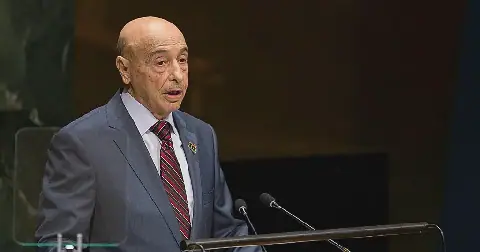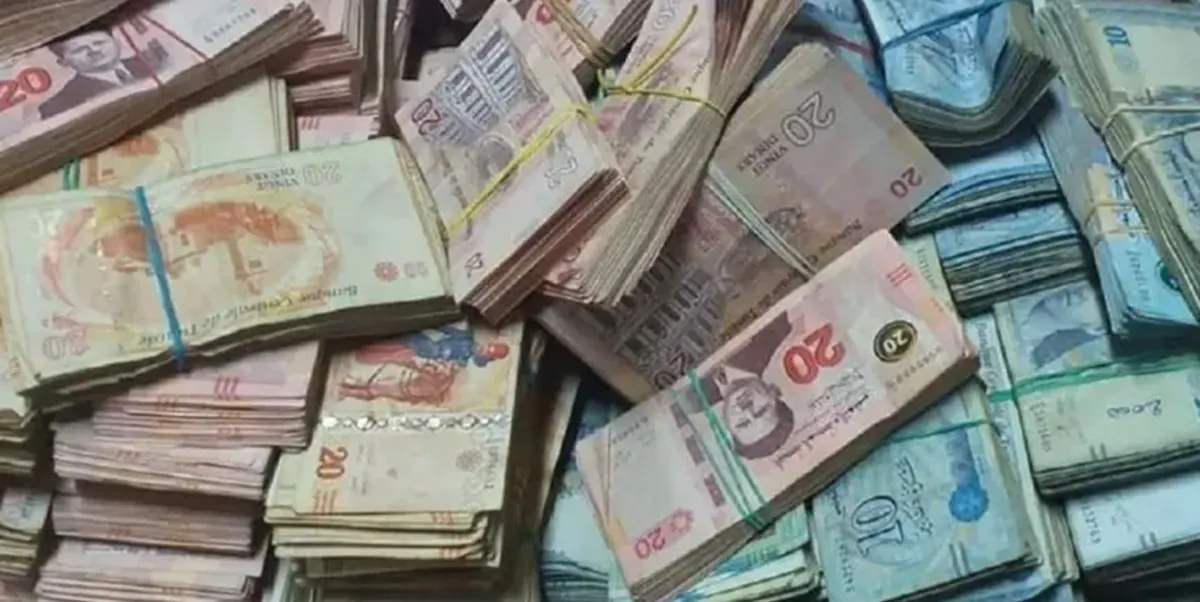
On October 6, 2026, Moez Jouini, a specialist in digital transformation and strategic planning, unveiled a new proposal to reform Tunisia's subsidy system. Dubbed 'dinar social numérique 2.0', the plan involves shifting from product-based support to direct assistance for eligible citizens. This approach aims to optimize public spending and reduce waste by targeting aid at those who need it most.
The proposed system would not simply involve crediting a mobile phone or recharge card. Instead, each beneficiary would receive a digital value in Tunisian dinars, restricted to specific social expenses such as essential goods, transportation, fuel, and healthcare. This way, the state would no longer subsidize product prices for all consumers, but rather provide an allowance to identified beneficiaries to use at participating merchants or service providers.
The new mechanism is designed to dissociate public financing from the product itself and link it more closely to the beneficiary's profile. According to Jouini, this approach would reduce support losses and improve targeting of public spending. He cites data from the National Institute of Statistics, suggesting that some support does not reach its intended recipients.
The idea of reforming Tunisia's subsidy system has been debated for some time. Previous reform documents have considered gradually replacing price support with direct transfers to eligible individuals. Jouini's proposal is based on existing infrastructure, including mobile phone networks, digital identity, payment accounts, and payment networks.
The 'digital social dinar' would be a numerical value in Tunisian dinars, usable within a defined perimeter set by the state. It would be more akin to a limited-use social payment mechanism than a cryptocurrency or new national currency. The project does not necessarily require creating a new currency, but rather leveraging existing frameworks.
On September 25, 2026, the Central Bank of Tunisia published Circular No. 2026-10, governing the rules and functioning of payment establishments. The new regulatory framework will also need to be considered as the proposal moves forward. The technical feasibility of the project has been established, but its implementation will depend on defining eligibility criteria and calculating aid amounts.
The success of 'dinar social numérique 2.0' will depend on its ability to effectively target and support those in need. If implemented, the system could help optimize Tunisia's public spending and provide more efficient assistance to vulnerable populations. The proposal is currently under consideration, with its potential impact on the country's subsidy system yet to be determined.
Key points
- Moez Jouini proposes 'dinar social numérique 2.0' to provide direct financial aid to eligible Tunisian citizens.
- The system aims to reduce support losses and improve targeting of public spending.
- The proposal leverages existing infrastructure, including mobile phone networks and payment accounts.