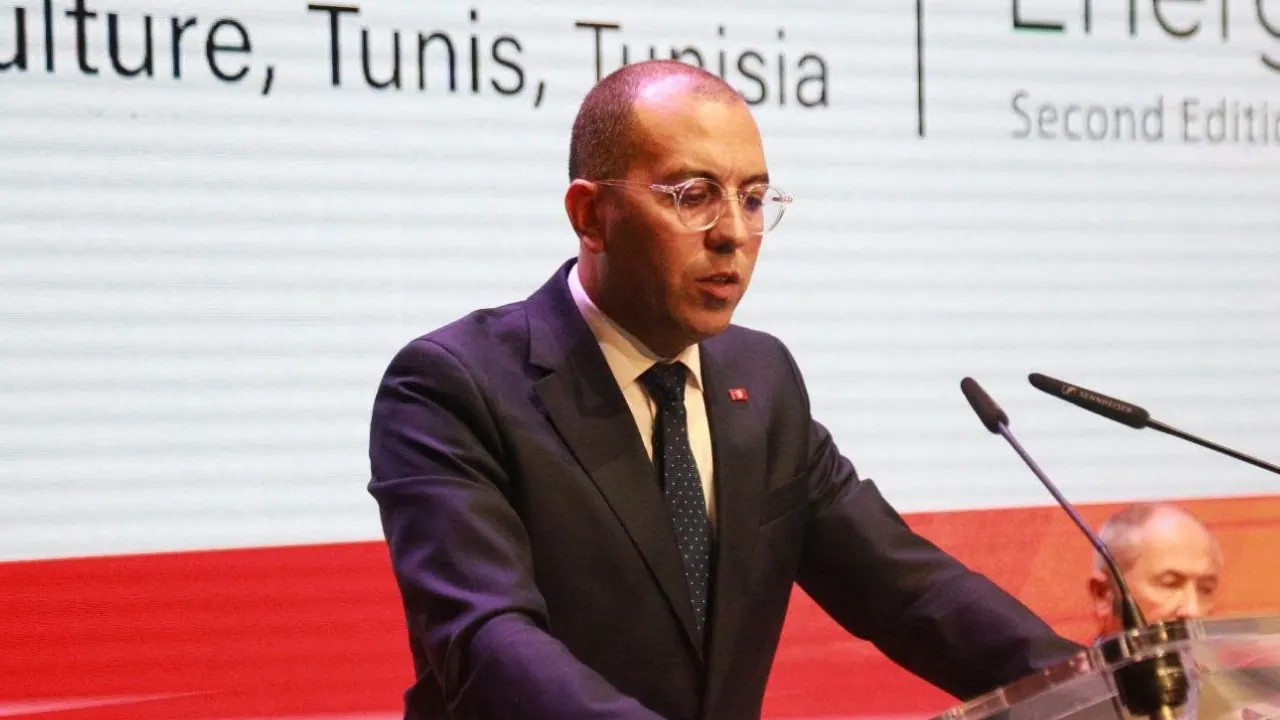
Tunisia's Minister of Energy Transition, Wail Chouchane, emphasized that the country's energy transition is a top strategic priority. This priority is driven by Tunisia's structural energy deficit and heavy reliance on imports. The energy sector has become crucial for economic sovereignty, industrial competitiveness, and attracting investments. Chouchane made these remarks at the opening of the second edition of the "African Energy Forum".
The global energy landscape is undergoing significant changes due to geopolitical shifts, fluctuations in energy markets, climate commitments, and rapid technological innovations. These changes are redefining the world's energy balances. Tunisia is responding to its energy challenges by gradually transforming its energy system. The country is focusing on two complementary pillars: developing renewable energies and improving energy efficiency.
Tunisia aims to make its energy transition a driver of economic development. This will enhance the country's attractiveness, support the competitiveness of its industrial fabric, and create new skills, jobs, and added value. The goal is to reduce the country's reliance on imports and increase its energy self-sufficiency. Chouchane highlighted that transforming energy systems requires significant investments in production capacities, networks, infrastructure, storage solutions, and new technologies.
To achieve its energy transition goals, Tunisia needs to mobilize substantial investments. This requires close cooperation between public authorities, institutions, companies, financial institutions, and technical partners. A clear regulatory framework, suitable financing mechanisms, and a comprehensive vision are essential to encourage long-term investments in energy transition projects.
Chouchane stressed that the energy transition is critical for Tunisia's economic development and competitiveness. The sector is vital for the country's ability to attract investments and create jobs. Tunisia's energy transition strategy is built around the development of renewable energies and energy efficiency. The country aims to reduce its greenhouse gas emissions and improve its energy security.
The African Energy Forum, hosted in Tunisia, brought together experts and stakeholders to discuss the continent's energy challenges and opportunities. The event provided a platform for participants to share experiences, explore partnerships, and identify solutions to Africa's energy needs. Tunisia's energy transition strategy was highlighted as a model for other countries to follow.
The Tunisian government's commitment to energy transition reflects its recognition of the sector's importance for the country's economic sovereignty and competitiveness. The country's efforts to develop renewable energies and improve energy efficiency are critical for its sustainable development. With the right investments and partnerships, Tunisia can achieve its energy transition goals and become a leader in the region.
Key points
- Tunisia's energy transition is a strategic priority to enhance economic sovereignty and competitiveness.
- The country aims to develop renewable energies and improve energy efficiency to reduce its reliance on imports.
- Significant investments are required to achieve Tunisia's energy transition goals, necessitating close cooperation between public and private stakeholders.