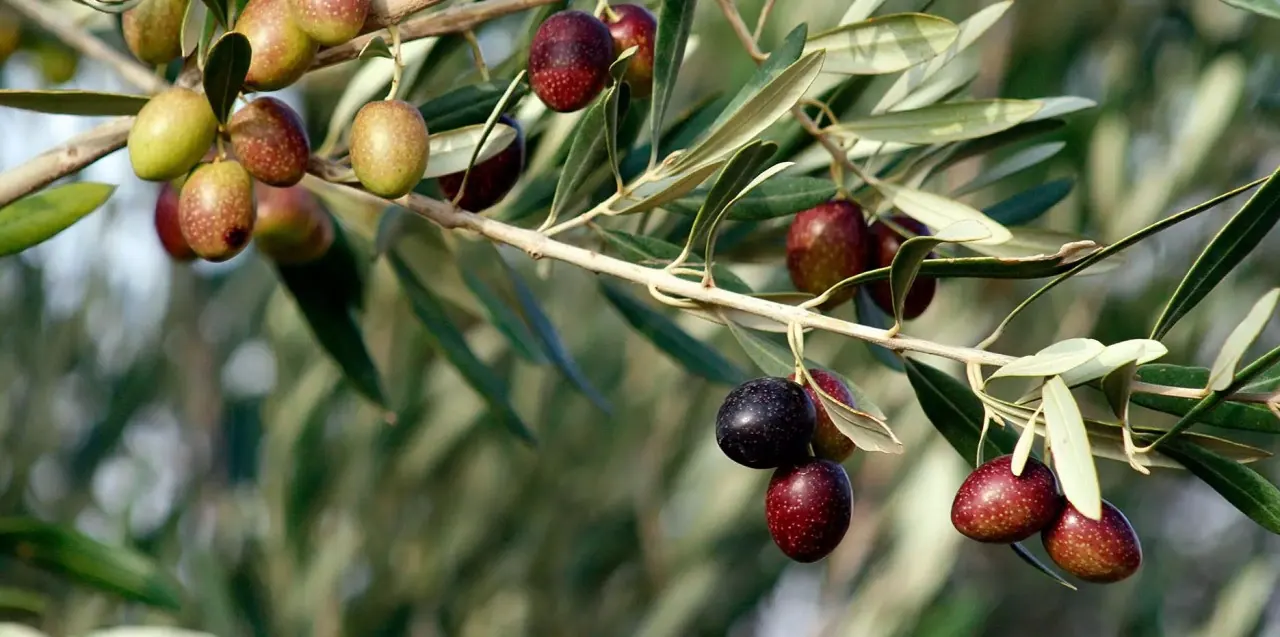
In anticipation of the upcoming olive harvest and processing season, a comprehensive inspection was conducted at the collective olive pomace disposal site in Jimla, Zaghouan. The site's readiness to receive olive pomace was assessed, along with the condition of access roads and the progress of ongoing works. The availability of necessary equipment to ensure smooth operations during peak periods was also evaluated. This proactive approach aims to identify and address potential challenges, ensuring efficient management of olive pomace.
The inspection, led by the Zaghouan regional agricultural development commission's (CRDA) management representative, focused on evaluating the site's infrastructure and logistical preparedness. Access roads to the disposal site were examined, and measures to rectify existing shortcomings were discussed. The importance of coordinating with regional authorities and concerned structures was emphasized to expedite remedial actions and finalize preparations before the season commences. This collaborative effort seeks to minimize the environmental impact of olive pomace and protect natural resources.
The Zaghouan region is taking proactive steps to manage olive pomace effectively, mitigating potential environmental hazards. By inspecting and preparing the disposal site, authorities aim to ensure a smooth and efficient process during the peak olive harvest and processing season. This initiative underscores the region's commitment to sustainable agricultural practices and environmental stewardship.
The CRDA's representative highlighted the significance of addressing existing gaps and implementing preventive measures to facilitate a successful olive season. This includes ensuring the site's infrastructure and equipment are adequate to handle the expected volume of olive pomace. By doing so, the region can minimize the risk of environmental pollution and maintain a healthy ecosystem.
Effective management of olive pomace is crucial for the region's environmental and agricultural sustainability. The disposal site in Jimla will play a vital role in this process, and its preparation is a key aspect of the region's strategy. By coordinating with relevant stakeholders, authorities can ensure a well-planned and executed approach to managing olive pomace.
The inspection and preparation of the disposal site are part of a broader effort to promote sustainable agricultural practices in the Zaghouan region. By prioritizing environmental protection and resource conservation, authorities can help maintain the region's ecological balance and support long-term agricultural productivity. This initiative demonstrates the region's commitment to responsible agricultural management.
As the olive season approaches, the Zaghouan region is poised to implement effective measures for managing olive pomace. Through careful planning, coordination, and infrastructure development, authorities aim to minimize environmental impacts and promote sustainable agricultural practices. The successful implementation of these measures will contribute to the region's environmental and agricultural sustainability.
Key points
- The Zaghouan region in Tunisia is preparing an olive pomace disposal site ahead of the olive season to ensure effective management and minimize environmental impact.
- The site's readiness was assessed, including infrastructure and logistical preparedness, to identify and address potential challenges.
- The initiative aims to promote sustainable agricultural practices and environmental stewardship in the region.