According to data presented by Samia Massoud, head of the road safety communication department at the National Observatory for Road Safety, Tunisia has seen an 11% increase in road deaths between January 1 and September 21, 2026. This rise in fatalities occurs despite a 15% decrease in the number of accidents and a 17% decrease in the number of injured individuals. Massoud attributes the severity of accidents to the increasing number of deaths.
Speed remains the primary cause of road accidents in Tunisia, responsible for approximately 37% of accidents over the past five years. Other contributing factors include lack of attention, failure to follow traffic rules, and reckless behavior. Massoud highlights the vulnerability of pedestrians and motorcycle riders, who are among the most exposed to fatal accidents. Motorcycles are involved in nearly 50% of road accidents, and their riders account for 50% of all deaths.
Pedestrians are also significantly affected, representing 29% of those involved in road accidents and 24% of all related deaths. Massoud notes that Tunisia has made progress in road safety, moving from the fourth and last category to the second category in the latest global report on road safety. This improvement is largely due to the quality of data available on the National Observatory for Road Safety's website.
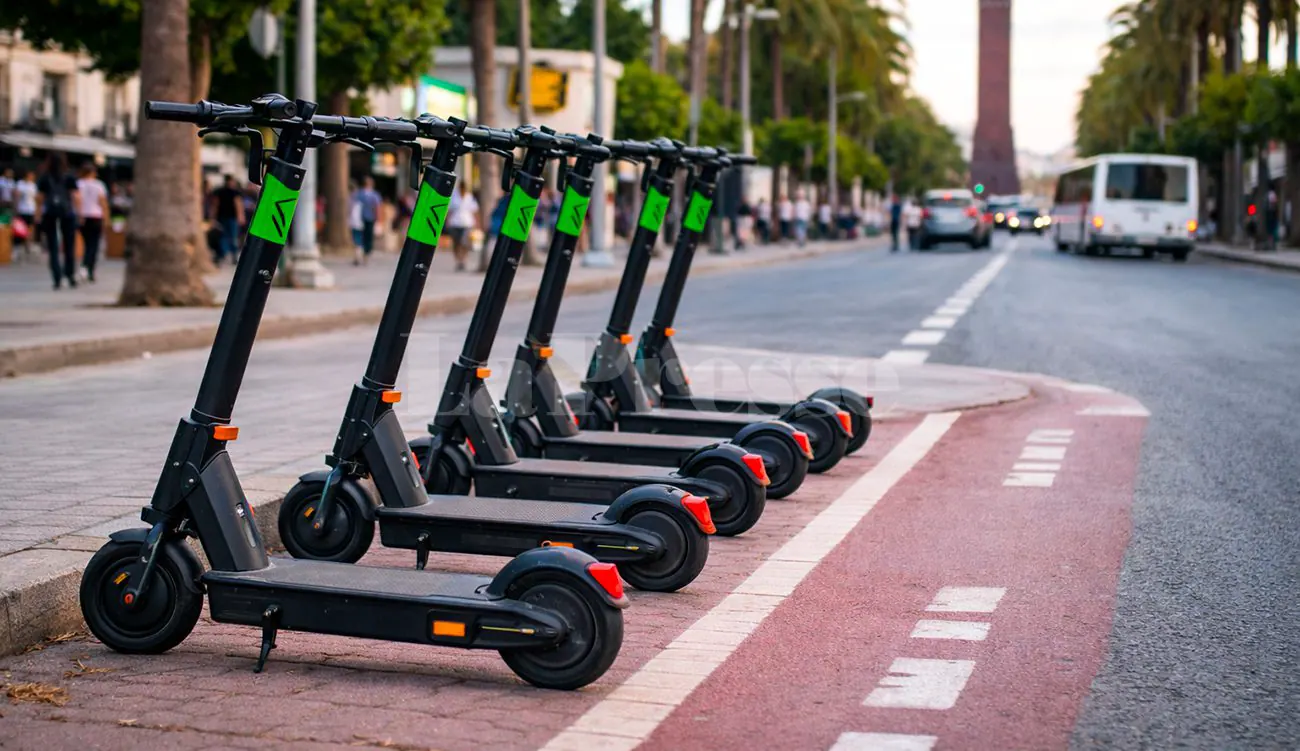
The National Observatory for Road Safety is working on a new set of regulations for the distribution, manufacturing, and assembly of electric scooters. These devices will be required to meet specific standards and norms to ensure they are a safe and regulated mode of transportation. Massoud warns that some electric scooters can reach speeds of up to 75 km/h, posing a significant risk to riders due to the lack of adequate protective gear.
The new regulations aim to mitigate the risks associated with electric scooters and promote a safer environment for users. Massoud emphasizes the importance of addressing the issue, given the increasing popularity of electric scooters as a mode of transportation. The authorities are taking steps to ensure that these devices are designed and manufactured with safety features that can protect riders in the event of an accident.
According to Massoud, the new regulations will help to reduce the number of accidents involving electric scooters and promote a culture of road safety in Tunisia. The authorities are working to raise awareness about the risks associated with reckless behavior and the importance of following traffic rules. The goal is to create a safer environment for all road users, including pedestrians, cyclists, and motorists.
The Tunisian authorities are taking a proactive approach to addressing road safety concerns, and the new regulations for electric scooters are part of a broader effort to reduce the number of accidents and fatalities on the country's roads. By working to improve road safety, the authorities aim to protect the lives of citizens and promote a culture of responsible behavior on the roads.
Key points
- The number of road deaths in Tunisia increased by 11% between January 1 and September 21, 2026, despite a decrease in overall accidents.
- Speed remains the primary cause of road accidents in Tunisia, responsible for approximately 37% of accidents over the past five years.
- Tunisia is working on new regulations for electric scooters to ensure they meet specific safety standards and norms.