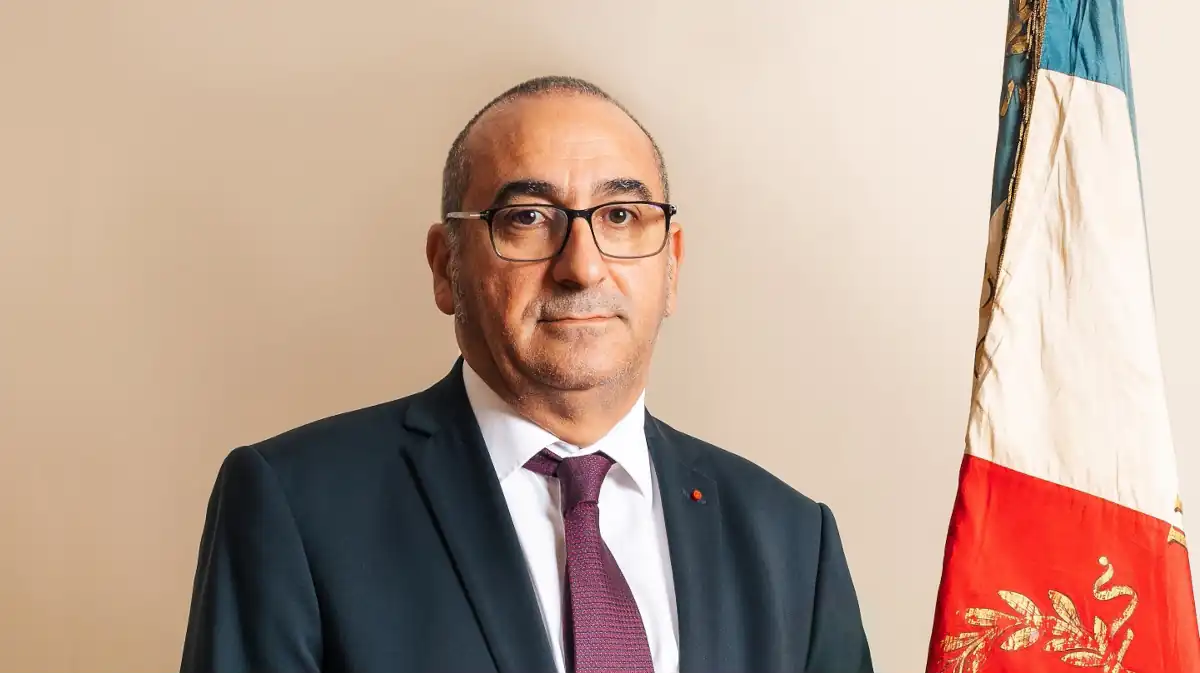
French Interior Minister Laurent Nuñez stated on September 23 that Russia is waging a "hybrid war" against France. He emphasized that French authorities are strengthening their preparedness against cyberattacks, sabotage, and actions targeting sensitive infrastructure. Nuñez made these comments during a France 2 interview, highlighting the government's concern about the threat. This is not the first time Nuñez has addressed this issue, having previously described the threat as "real and documented" based on intelligence gathered by French and European services.
Nuñez's comments come amid rising tensions between France and Russia. Two days prior to his statement, he had already warned about the threat posed by Russia. However, he clarified that not all recent incidents can be attributed to Moscow. On September 21, Nuñez stated that no major sabotage or drone incursions in France had been attributed to Russia at that time. French authorities are taking a cautious approach, distinguishing between incidents formally attributed to Moscow and those still under investigation.
The French government is taking steps to protect critical infrastructure and defense industries. President Emmanuel Macron has instructed the government to enhance measures for critical infrastructure and defense-related sites. The authorities are focusing on several types of risks, including cyberattacks, drone incursions, sabotage, and information manipulation campaigns. The government aims to organize this preparedness at the local level, with prefects playing a key role in coordinating responses.
On September 17, Nuñez met with zone prefects, along with Defense Minister Catherine Vautrin and National Security Secretary General Nicolas Roche. The prefects are tasked with preparing services for different crisis scenarios. In the coming weeks, departmental prefects will convene services that may intervene during a major crisis. The Interior Ministry aims to improve coordination between state services and local actors while verifying their ability to maintain essential activities.
The authorities are planning exercises to test their preparedness. A first resilience exercise will take place in the Hérault region, followed by tests elsewhere. A national exercise focused on the consequences of a large-scale power outage is also planned for the first half of 2027. This exercise will take the form of a simulation between different stakeholders, without an actual power outage.
France has previously attributed cyberespionage operations to Russian structures. On July 13, French authorities attributed digital espionage operations targeting French interests to the 16th Center of the Russian FSB, specifically its 61240 unit. The French National Cybersecurity Agency (ANSSI) has identified activities associated with the Turla modus operandi used by this structure since 2010. Targets have included administrations and organizations working in sensitive sectors.
The French government has taken diplomatic action in response to these threats. Four days after the public attribution in July, Paris summoned the Russian chargé d'affaires. The French Foreign Ministry indicated that this summons concerned the computer activities attributed to the 16th Center of the FSB. The French authorities announced their intention to continue their actions against operations they attribute to Moscow.
Key points
- France is strengthening its preparedness against Russian cyberattacks and sabotage.
- The French government is protecting critical infrastructure and defense industries.
- France has attributed cyberespionage operations to Russian structures, including the 16th Center of the FSB.