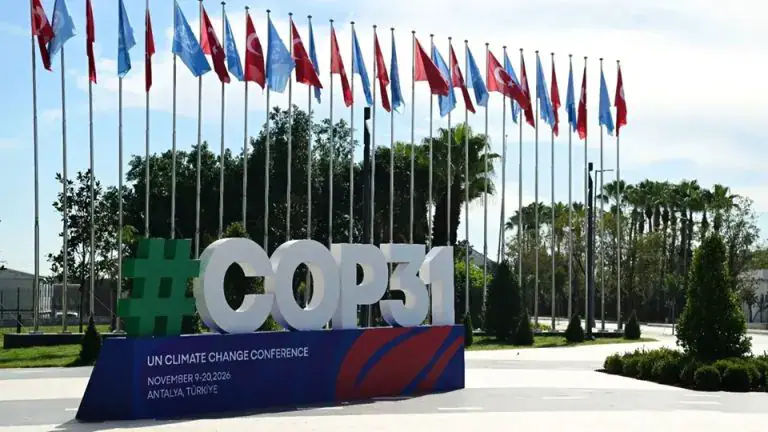
The Symposium of Episcopal Conferences of Africa and Madagascar (SCEAM) has called on governments and international partners to strengthen the protection of Africa's forests, water resources, and biodiversity, particularly in the Congo Basin. This call to action comes ahead of the 31st United Nations Climate Change Conference (COP31) set to begin in Antalya, Turkey. The SCEAM emphasizes that preserving African ecosystems is crucial for global ecological balance and protecting present and future generations.
The SCEAM highlights the significance of the Congo Basin, the world's second-largest tropical rainforest, which serves as a substantial carbon reservoir and biodiversity hotspot. The basin's forests, waterways, wetlands, and peatlands play a vital role in climate regulation, food and water security, and the livelihoods of millions of people. However, the organization expresses concern over threats to this natural heritage, including deforestation, unsustainable mining and forestry practices, agricultural expansion, land degradation, pollution, and biodiversity loss.
These environmental challenges disproportionately affect poor and vulnerable populations, including indigenous peoples, local communities, women, and young people, whose lives depend directly on ecosystem preservation. To address these issues, the SCEAM advocates for enhanced cooperation between African states and their partners, as well as increased climate and biodiversity financing. The organization recommends providing predictable financial resources, in the form of grants and concessional financing, to local communities engaged in environmental protection.
The SCEAM also recommends better recognition of the land rights of indigenous peoples and local communities, sustainable natural resource management, and strengthened mechanisms for monitoring investments in the mining, forestry, agriculture, and infrastructure sectors. Furthermore, the organization stresses the need to protect water resources, restore degraded lands, and promote sustainable agriculture and nature-based solutions. It calls for a just ecological transition that fosters the creation of green jobs and new economic opportunities for women and young people.
The SCEAM's appeal is grounded in the Catholic Church's commitment to environmental stewardship, as expressed in Pope Francis's encyclical "Laudato Si'." The organization aims to strengthen its collaboration with the African Union, governments, religious organizations, civil society, and local communities to promote environmental education and climate action across the continent. To this end, the SCEAM invites international actors to translate their commitment to Africa into tangible financial support, concrete solidarity, and initiatives that ensure the preservation of African ecosystems for the benefit of the planet and future generations.
The SCEAM's statement was released on November 7, 2026, in Accra, Ghana, as a precursor to COP31. The organization's efforts underscore the critical importance of protecting Africa's natural resources and promoting sustainable development. By emphasizing the interconnectedness of environmental protection and human well-being, the SCEAM seeks to galvanize support for its cause and encourage meaningful action at the international level.
As COP31 approaches, the SCEAM's call for enhanced protection of African forests and natural resources serves as a timely reminder of the urgent need for collective action to address the global environmental crisis. The organization's recommendations offer a framework for sustainable development and environmental stewardship, highlighting the essential role that governments, international partners, and local communities must play in preserving Africa's ecosystems and promoting a more sustainable future.
Key points
- The SCEAM urges governments and international partners to increase financing for climate and biodiversity initiatives in Africa.
- The organization emphasizes the critical importance of protecting the Congo Basin, a vital carbon reservoir and biodiversity hotspot.
- The SCEAM advocates for a just ecological transition that fosters the creation of green jobs and new economic opportunities for women and young people.