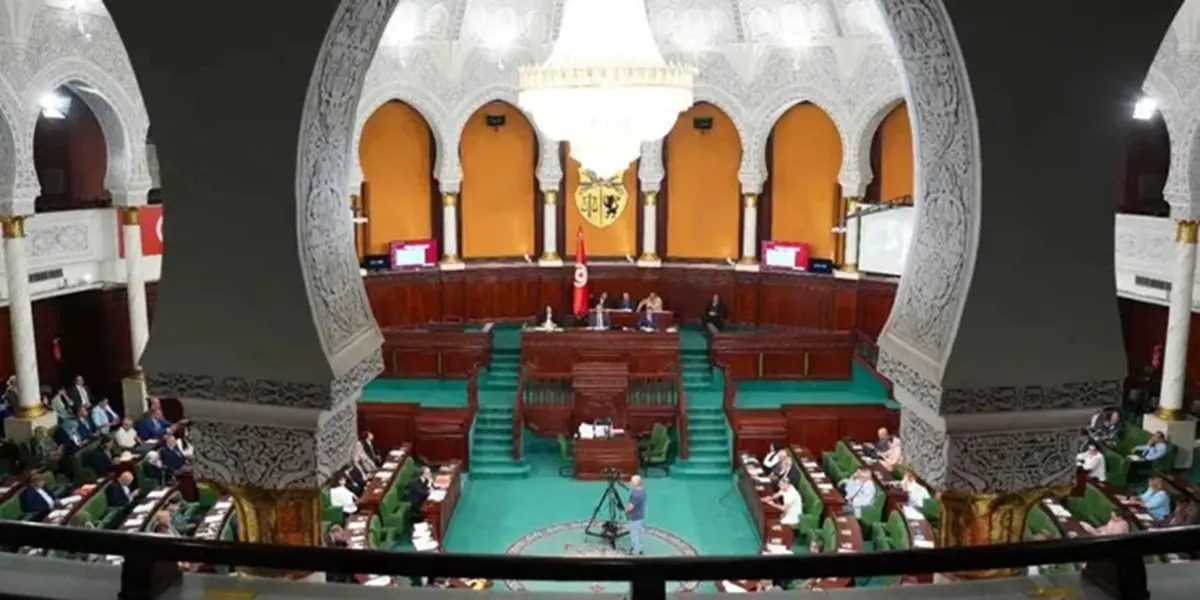
The Tunisian government is preparing the outlines of the 2027 finance bill, with the goal of not imposing additional tax pressure on citizens and strengthening the state's social role. According to Zouheir Ataallah, chief of staff to the Minister of Finance, the focus is on supporting small and medium-sized enterprises, stimulating investment, and transitioning from a resilience approach to creating wealth and relaunching the national economy.
The 2027 budget project aims to balance public finance consolidation, social justice, and economic growth. The authorities plan to reinforce support for vulnerable and low-income categories while promoting public and private investment and job creation. The government also intends to improve the business climate and foster wealth creation drivers, particularly by valorizing national resources and developing high-added-value sectors.
The project is part of the 2026-2030 development plan. These orientations follow a meeting on September 15 at the Carthage Palace between President Kaïs Saïed, Prime Minister Sarra Zaâfrani Zenzri, and Minister of Economy and Planning Samir Abdelhafidh. The President requested that the finance bill choices align with the five-year plan, particularly regarding regional balance, job creation, and development.
President Kaïs Saïed emphasized the need to avoid additional tax pressure and facilitate project creation, both in the form of community companies and private initiatives. The government has identified social justice, healthcare and social protection system reform, food, water, and energy security, digital transformation, and investment relaunch and regional development as priorities for the 2027 budget.
The government aims to support the most vulnerable populations and stimulate economic growth through investment and job creation. The 2027 finance bill will focus on creating an enabling environment for businesses, particularly small and medium-sized enterprises, to thrive and contribute to the country's economic growth.
According to the authorities, the 2027 finance bill will also prioritize the development of sectors with high added value, such as manufacturing and services. This approach is expected to help Tunisia diversify its economy, reduce its dependence on traditional sectors, and increase its competitiveness in the global market.
The Tunisian government is committed to implementing the 2027 finance bill in a way that balances economic growth, social justice, and public finance consolidation. The bill's success will depend on the government's ability to implement its priorities and create an enabling environment for businesses and investment to thrive.
Key points
- No additional tax pressure on citizens
- Support for small and medium-sized enterprises
- Focus on investment and job creation