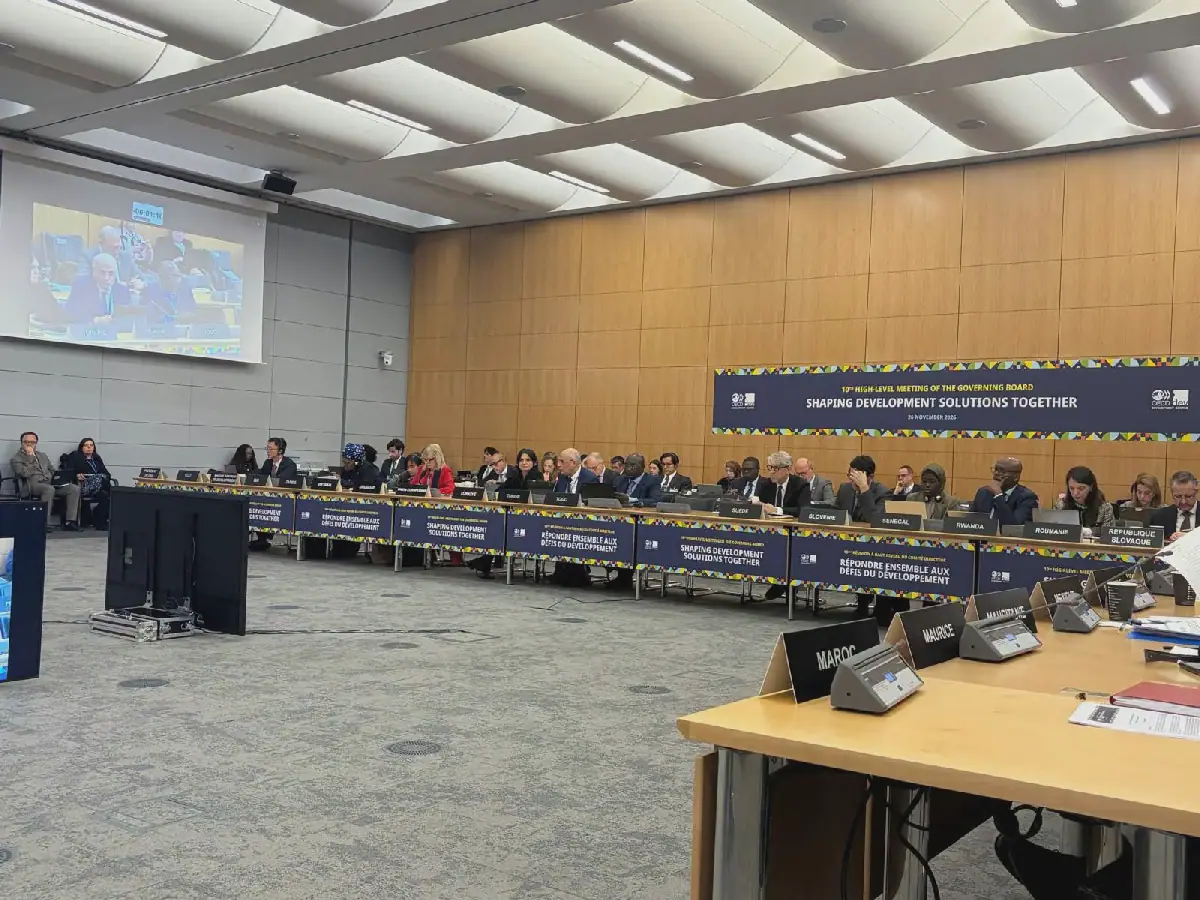
Tunisia took part in the 10th high-level meeting of the OECD Development Centre in Paris, which was held under the theme "Responding Together to Development Challenges". The meeting was attended by ambassador of Tunisia to France, Dhia Khaled, who represented Tunisia in the international gathering. The meeting aimed to discuss development challenges and ways to enhance financing for development.
During his intervention, Khaled emphasized Tunisia's commitment to adopting a development approach that focuses on investing in the future while ensuring responsible management of financial obligations towards donors and foreign financial institutions. This approach aims to strike a balance between development needs and maintaining financial stability. Khaled also stressed the need for reforming the international financial system to improve access to stable and sustainable financing for developing countries.
Khaled called for a more comprehensive approach to assessing debt sustainability, taking into account investments in strategic sectors such as education, health, employment, and vocational training for young people. He also emphasized the importance of adapting to climate change, transitioning to renewable energy, and developing basic infrastructure, which are essential for building a sustainable economic and social future.
Regarding climate challenges, Khaled highlighted the importance of enhancing access to fair and sustainable climate financing for countries most vulnerable to climate change. He noted the significance of mechanisms that convert external debt into climate action financing and sustainable development projects, which can help alleviate financial pressures on these countries and support their efforts to address climate change impacts.
Khaled's intervention also touched on the pivotal role of youth in driving development, leveraging their energies and potential in creativity, innovation, and entrepreneurship. He emphasized the need to provide better opportunities for youth to access financing and training, enabling them to turn their initiatives and ideas into productive projects that drive growth.
The Tunisian ambassador also stressed the importance of directing remittances from African diaspora communities towards productive investments in their countries of origin. This can help boost their contribution to wealth creation, job provision, and economic and social development. Furthermore, Tunisia expressed concern about the decline in official development assistance and the shrinking fiscal space available to developing countries.
Tunisia called on donors and international institutions to review this trend and fulfill their long-term financing commitments, under conditions that align with the needs and priorities of developing countries. The meeting provided a platform for countries to discuss development challenges and explore ways to enhance financing for development, with a focus on promoting sustainable and inclusive growth.
Key points
- Tunisia emphasizes the need for reforming the international financial system to improve access to stable and sustainable financing for developing countries.
- The country highlights the importance of investing in strategic sectors such as education, health, and vocational training for young people.
- Tunisia calls for a more comprehensive approach to assessing debt sustainability, taking into account investments in key sectors.
Reporting sources
- Radio Tataouine · Radio Tataouine