Kenya's State Department for Sports has revealed a significant financial challenge that could impact the country's ability to host major international sporting events. The department faces a recurrent budget deficit of Sh8.38 billion for the 2027/2028 financial year. This shortfall has raised concerns about the country's capacity to fund its ambitious sporting calendar, including co-hosting the 2027 Africa Cup of Nations (AFCON) and preparations for the 2029 World Athletics Championships.
Sports Principal Secretary Elijah Mwangi informed lawmakers that the Treasury's proposed funding ceilings fall drastically short of what is needed to stage major international tournaments while keeping routine departmental programs running. The department requested Sh10.77 billion to cover its recurrent obligations, but the Budget Policy Statement allocated only Sh2.39 billion, leaving a significant operational gap. Mwangi cautioned that this financial squeeze threatens both AFCON 2027 and the 2029 World Athletics Championships preparations.
The sharp escalation in recurrent funding requirements is driven largely by two flagship international commitments: staging AFCON 2027 and ramping up preparations for the 2029 World Athletics Championships. The department requires approximately Sh3.55 billion for AFCON 2027 operations and another Sh3.9 billion toward World Athletics Championships preparations, on top of day-to-day administrative and program costs. This has resulted in a substantial funding gap that needs to be addressed to ensure the success of these events.
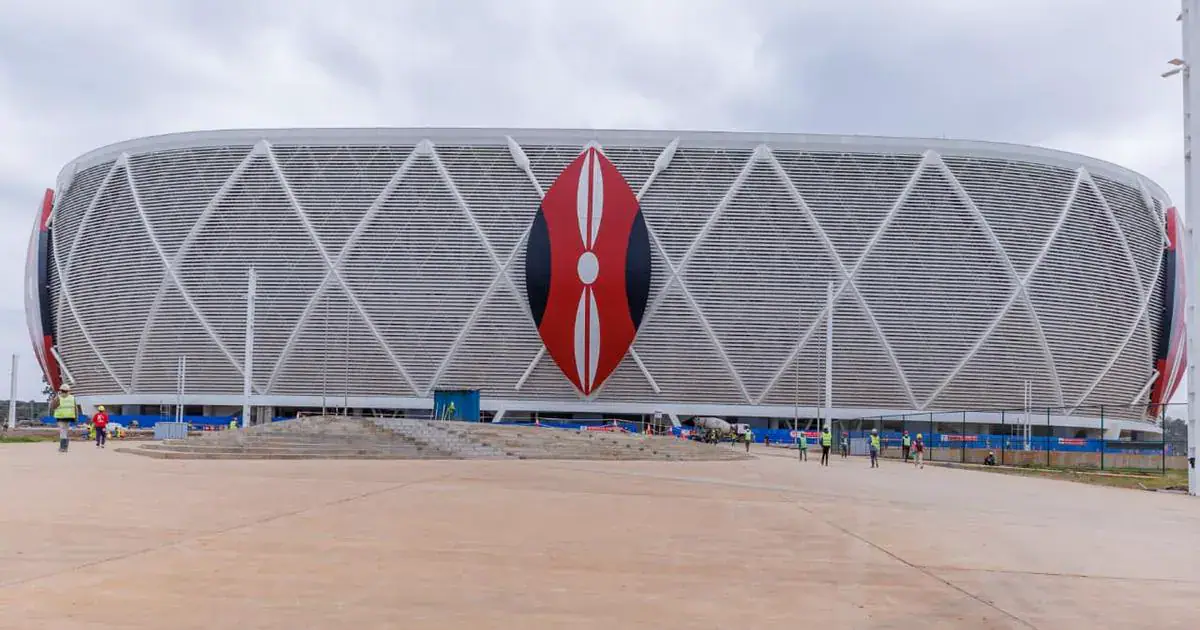
The funding warning arrives at a particularly sensitive moment for Kenya's AFCON 2027 preparations. Kenya is scheduled to co-host the 24-team continental football showpiece alongside East African neighbors Uganda and Tanzania, with CAF confirming tournament dates from June 19 to July 17, 2027. Nairobi has been designated as Kenya's exclusive host city for the tournament, and any disruption to operational, logistical, or administrative financing risks putting intense pressure on the capital's readiness to deliver seamless tournament operations.
Committee Chairman Dan Wanyama pressed the ministry to maintain strict fiscal discipline, distribute available funds equitably, and address long-standing financial bottlenecks affecting local sports bodies. Wanyama pointed out that numerous national sports federations continue to struggle under the burden of unsettled arrears, warning that grassroots development and national team preparations must not be sidelined in the rush to fund marquee events.
The parliamentary review revealed that the budget crunch extends well beyond sports stadiums, affecting sister state departments within the broader youth, creative, and cultural sectors. The Youth Affairs and Creative Economy department reported a 41 percent budget absorption rate in the current financial year, having utilized Sh400.99 million out of its Sh974.95 million recurrent allocation. The Culture, Arts, and Heritage department also appealed to lawmakers to recommend higher funding ceilings so it can meet core mandates and sustain critical semi-autonomous government agencies.
Lawmakers on the Sports and Culture Committee are continuing their scrutiny of the sector submissions before compiling recommendations ahead of the finalization of the 2027/2028 national budget estimates. The committee's review aims to ensure that the country's sporting and cultural sectors receive adequate funding to meet their obligations and achieve their goals.
Key points
- The recurrent budget deficit of Sh8.38 billion threatens Kenya's ability to fund its sporting calendar, including AFCON 2027 and the 2029 World Athletics Championships.