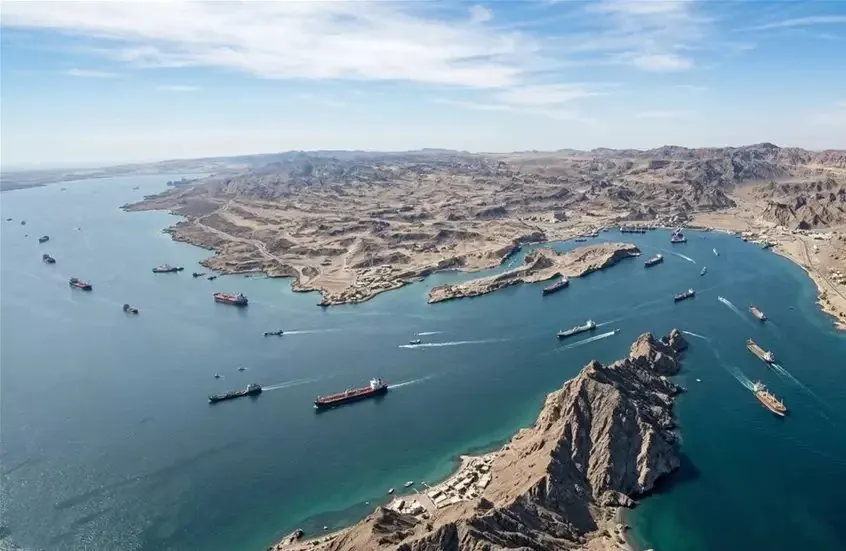
US and Iranian negotiators have convened in New York to discuss a gradual resolution to the ongoing conflict between the two nations. According to sources close to the negotiations, Tehran has proposed reopening the Strait of Hormuz in exchange for Washington lifting its economic embargo. The talks aim to find a peaceful solution to the nearly seven-month-long conflict.
The Strait of Hormuz has become a central point of contention in the negotiations. Iran seeks to alleviate the economic strain caused by the US embargo, while the US aims to ensure the free flow of oil tankers through this critical waterway. The strait is a vital passage for global oil supplies, and its closure has significant implications for the international community.
The negotiations have been ongoing for several months, with both sides engaging in diplomatic efforts to find a mutually acceptable solution. The US and Iran have a long history of tense relations, and the current conflict has had far-reaching consequences for the region. A resolution to the conflict could have significant implications for global energy markets and regional stability.
The economic embargo imposed by the US has had a devastating impact on Iran's economy. The Iranian government has been seeking relief from the embargo, which has limited its ability to export oil and access international markets. In return, the US has demanded that Iran take steps to ensure the free flow of oil tankers through the Strait of Hormuz.
The talks have been described as constructive, with both sides engaging in serious discussions about a potential agreement. However, significant differences remain between the two nations, and a final agreement has yet to be reached. The negotiations are ongoing, with both sides working to find a solution that addresses their respective concerns.
The international community has been closely watching the negotiations, with many countries expressing support for a peaceful resolution to the conflict. The conflict has had significant implications for global energy markets, and a resolution could help to stabilize oil prices and ensure a steady supply of oil to international markets.
While Tunisia is not directly involved in the negotiations, the country's economic and political stability could be impacted by the outcome of the talks. As a major player in the region, Tunisia has a vested interest in maintaining stability and security in the Middle East. The country's leaders will likely be closely monitoring the negotiations and their potential implications for the region.
Key points
- The US and Iran are discussing a potential agreement to lift the economic embargo in exchange for reopening the Strait of Hormuz.
- The negotiations aim to find a peaceful solution to the nearly seven-month-long conflict between the US and Iran.
- A resolution to the conflict could have significant implications for global energy markets and regional stability.