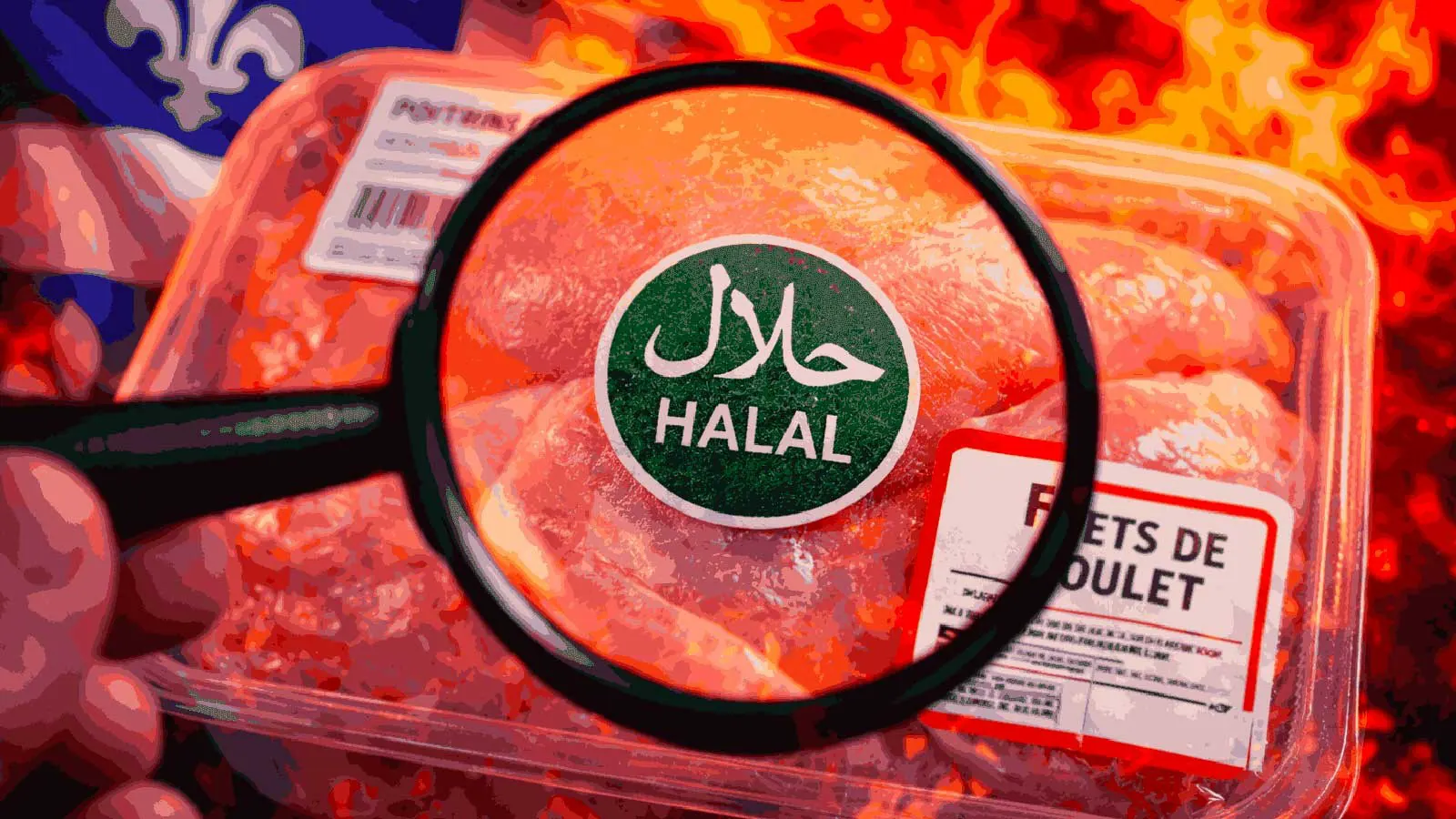
The halal economy is experiencing rapid growth globally, presenting new opportunities for Tunisian businesses. With a projected market value of $3.6 trillion by 2029, Tunisia is well-positioned to capitalize on this trend. According to Mourad Ben Hassine, CEO of the Center for Export Promotion (Cepex), the halal economy offers significant development opportunities. A 2024 study estimates the current market value at $2.6 trillion, with an annual growth rate of 6.5%.
The halal economy encompasses various sectors, including food, beverages, medical equipment, pharmaceuticals, financial services, and tourism. Tunisian companies have considerable potential, particularly given the widespread adoption of halal systems in regions such as the Gulf and Asia. The country's strategic goal is to establish itself as an economic bridge between African and European markets.
Access to financing is crucial for Tunisian businesses, especially small and medium-sized enterprises (SMEs), to leverage these opportunities. A convention between Fibgn Global Business Network and the Tunisian-Emirati Bank (BTE) aims to facilitate SME access to financing. Nationally, the certification dynamic is strengthening, with around 40 enterprises holding halal certification from the National Institute for Standardization and Industrial Property (Innorpi).
Tunisia aspires to host the World Halal Congress in 2027, a significant event typically organized in Turkey by the Islamic World Standards Institution. However, Mamadou Bocar Sall, representative of the Islamic Center for Trade Development (Cidc), emphasizes the need for a more structured ecosystem. He recommends establishing a Higher Halal Council under the Ministry of Commerce to regulate import-export flows with Organization of Islamic Cooperation (OIC) member countries.
Specific laws should also govern international Islamic finance, according to Sall. He highlights two key sectors for Tunisia's halal economy development: agriculture and tourism. As a major agricultural country, Tunisia should develop halal certification for its products to increase export value. Tourism also presents significant investment potential in the halal economy, particularly through tourist services.
Several obstacles must be overcome, including the lack of recognized certificates, difficulties in training professionals, and complexities in obtaining financing guarantees for exports. The issue of certification and international recognition is central. Ines Barhoumi, responsible for halal certification at Innorpi, notes the institute's decade-long commitment to this field, having delivered its first certification in 2013.
Innorpi has obtained recognition from the Malaysian institution and is finalizing discussions with Moroccan and Indonesian institutes, with similar démarches underway with Saudi Arabia. These recognitions facilitate Tunisian enterprises' access to external markets and reinforce foreign partners' trust in national labeling. The halal economy dynamic relies on complementary components, including export development, certification, standardization, financing, agriculture, tourism, and international market opening.
Key points
- Tunisia aims to establish itself as a hub for the halal economy, with opportunities in various sectors.
- The country requires a more structured ecosystem to fully leverage its potential.
- International recognition of halal certification is crucial for Tunisian businesses to access external markets.