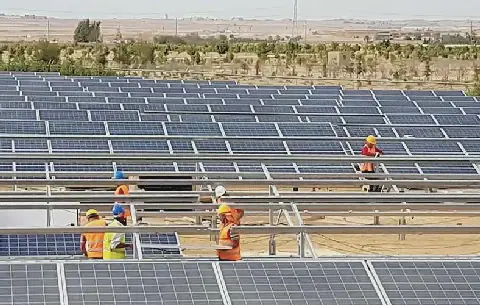
The National Agency for Energy Control in Tunisia, led by Director General Nafaa Bekkari, has announced the launch of the 'Shams' program. This initiative is designed to support small and medium-sized enterprises (SMEs) in investing in self-production of electricity from photovoltaic solar energy. The program is backed by the African Development Bank and aims to provide accessible and exceptional financing mechanisms. These will enable SMEs to invest in self-production of electricity, helping them control energy costs and enhance their competitiveness in global markets.
The 'Shams' program is part of a series of initiatives to support Tunisia's energy transition. One of these initiatives is the 'PROSOL ELEC' program for solar electricity production, which has achieved significant success. By the end of April 2026, it had surpassed 150,000 installed systems in low voltage, with a total capacity of nearly 466 megawatts. This progress indicates a substantial leap in the adoption of renewable energy sources in the country.
According to Bekkari, the sixth round of the 'licensing system' evaluation resulted in the acceptance of 309 requests for solar projects. These projects have a total capacity of approximately 455 megawatts, demonstrating growing confidence in renewable energy investments. This development reflects the increasing trust of the private sector in investing in renewable energies.
Tunisia's energy transition program in public institutions continues to advance, covering around 350 facilities. This includes 112 projects operational on low-voltage networks and 47 on medium-voltage networks. Additionally, 24.9 megawatts of installed capacities are in the final preparation phase for operation. These efforts signify a significant move towards integrating renewable energy into the national grid.
Bekkari emphasized that the next phase requires streamlining administrative procedures. This must be done without compromising quality and safety standards. The National Agency for Energy Control is working on developing networks to increase their capacity to absorb renewable energies. The agency is also preparing for emerging challenges such as energy storage, electric mobility, smart grids, and regional energy interconnection.
The Director General called upon all economic actors to enhance coordination, accelerate work, and establish strong partnerships based on mutual trust. This collaboration aims to transform Tunisia's natural potential and national expertise into sustainable achievements. The goal is to ensure that the country's resources are utilized effectively to drive growth and development.
The launch of the 'Shams' program and other related initiatives underscore Tunisia's commitment to its energy transition. By supporting SMEs in adopting solar energy, the country aims to reduce its reliance on traditional energy sources and promote sustainable development. This move is expected to have a positive impact on the economy and the environment.
Key points
- The 'Shams' program will provide financing mechanisms for SMEs to invest in solar energy production.
- The program aims to help SMEs control energy costs and enhance their competitiveness.
- Tunisia's energy transition efforts include developing networks to absorb renewable energies and preparing for emerging challenges.