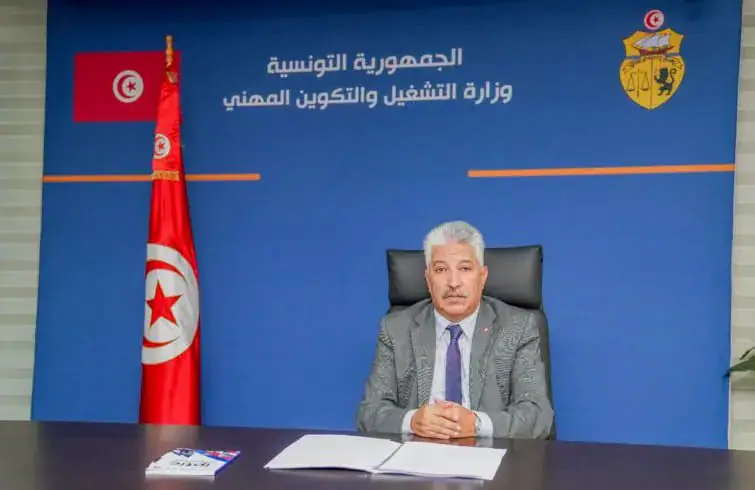
The Tunisian government has launched a project aimed at boosting employment opportunities in the country, particularly for young people and women. The project, implemented in collaboration with the Korean International Cooperation Agency and the International Labor Organization, seeks to support the creation of 75 new startups with direct financial assistance. This initiative is part of a broader effort to develop decent job opportunities in Tunisia.
The project focuses on developing value chains in the information and communication technology sector, as well as supporting startups that utilize modern technologies in areas such as healthcare, agriculture, environment, education, and culture. By targeting these sectors, the project aims to enhance employment opportunities for young people and women, who often face significant challenges in the labor market.
According to the Minister of Employment and Vocational Training, Riadh Chaoud, the project is crucial in promoting the employability of job seekers and developing their skills in high-potential sectors. The minister emphasized the importance of this initiative during a meeting of the project's national steering committee. The project's objectives align with the government's efforts to address unemployment and promote economic growth.
The project also aims to develop 11 regional employment plans, which will be implemented by the end of 2027. These plans are expected to be replicated in other regions of the country, contributing to a more comprehensive approach to employment promotion. The project's strategy is based on a thorough analysis of the labor market and the needs of job seekers.
The collaboration with the Korean International Cooperation Agency and the International Labor Organization reflects the government's commitment to working with international partners to address employment challenges. The project's design and implementation are expected to benefit from the expertise and experience of these organizations in promoting employment and economic development.
The project's focus on supporting startups and promoting entrepreneurship is seen as a key strategy for job creation and economic growth. By providing financial assistance and support to new businesses, the project aims to stimulate innovation and entrepreneurship, particularly among young people and women.
The successful implementation of this project could have a positive impact on employment rates in Tunisia, particularly among young people and women. The project's outcomes will be closely monitored, and its strategies may be replicated in other countries facing similar employment challenges. The project's progress will be evaluated based on its ability to achieve its objectives and create sustainable employment opportunities.
Key points
- The project aims to create 75 new startups and develop 11 regional employment plans by the end of 2027.