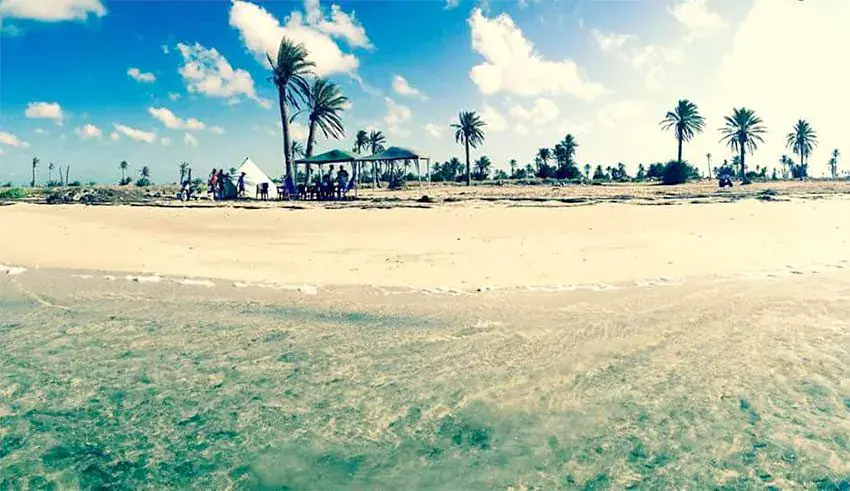
The "NAP+ Tunisia" initiative, launched in the Kerkennah archipelago, aims to preserve marine biodiversity and promote sustainable management of marine resources. This pilot project is being implemented in the future Marine and Coastal Protected Area of the North Kerkennah Islands. The Association "Kraten" for Sustainable Development, Culture, and Leisure in Kerkennah is leading this initiative. The project involves installing artificial reefs to protect and replenish marine life within a defined maritime zone.
The Marine and Coastal Protected Area of the North Kerkennah Islands is a coastal and marine zone being structured in the Kerkennah archipelago. This area is recognized for its biodiversity and Posidonia oceanica meadows. The project aims to limit illicit fishing with mini-trawl nets and recreate habitats favorable to marine life. The initiative is a collaboration between the environmental association "Kantara Save Earth" and the Association "Kraten" for Sustainable Development, Culture, and Leisure in Kerkennah.
This initiative combines ecological restoration, scientific monitoring, environmental awareness, and valorization of marine heritage through an underwater trail and a community environmental education cabin. The project relies on the active participation of artisanal fishermen, women, and young people in protecting Kerkennah's marine heritage. By engaging local communities, the initiative promotes a sense of ownership and responsibility for marine conservation.
The "NAP+ Tunisia" initiative is part of the "Fishing and Ecosystem-Based Management for the Blue Economy in the Mediterranean" (FishEBM MED) program. This regional program, funded by the Global Environment Facility, aims to promote sustainable management of fisheries and protection of marine biodiversity in the Mediterranean from 2023 to 2027. The program seeks to address the pressing issues of overfishing and marine degradation in the region.
The project involves the installation of artificial reefs to provide a habitat for marine life and support biodiversity. This approach has been shown to be effective in enhancing marine ecosystems and promoting sustainable fishing practices. By working with local communities and stakeholders, the initiative aims to create a sustainable and eco-friendly fishing industry in the Kerkennah archipelago.
The Kerkennah archipelago is known for its rich marine biodiversity, and this initiative aims to preserve and protect this valuable resource. The project's focus on community engagement and education is crucial in promoting a culture of sustainability and environmental stewardship. By empowering local communities to take ownership of marine conservation, the initiative can have a lasting impact on the region's marine ecosystem.
The success of the "NAP+ Tunisia" initiative will depend on the continued collaboration and engagement of local communities, stakeholders, and government agencies. The project's outcomes will be closely monitored, and its impact on marine biodiversity and sustainable fishing practices will be assessed. The initiative's findings and best practices can be applied to other regions in the Mediterranean, contributing to a broader effort to protect marine ecosystems and promote sustainable development.
Key points
- The "NAP+ Tunisia" initiative aims to preserve marine biodiversity and promote sustainable management of marine resources in the Kerkennah archipelago.
- The project involves the installation of artificial reefs to provide a habitat for marine life and support biodiversity.
- The initiative relies on the active participation of artisanal fishermen, women, and young people in protecting Kerkennah's marine heritage.
Reporting sources
- Kerkennah : Un « village de récifs » pour protéger la mer et soutenir la pêche artisanale · La Presse de Tunisie