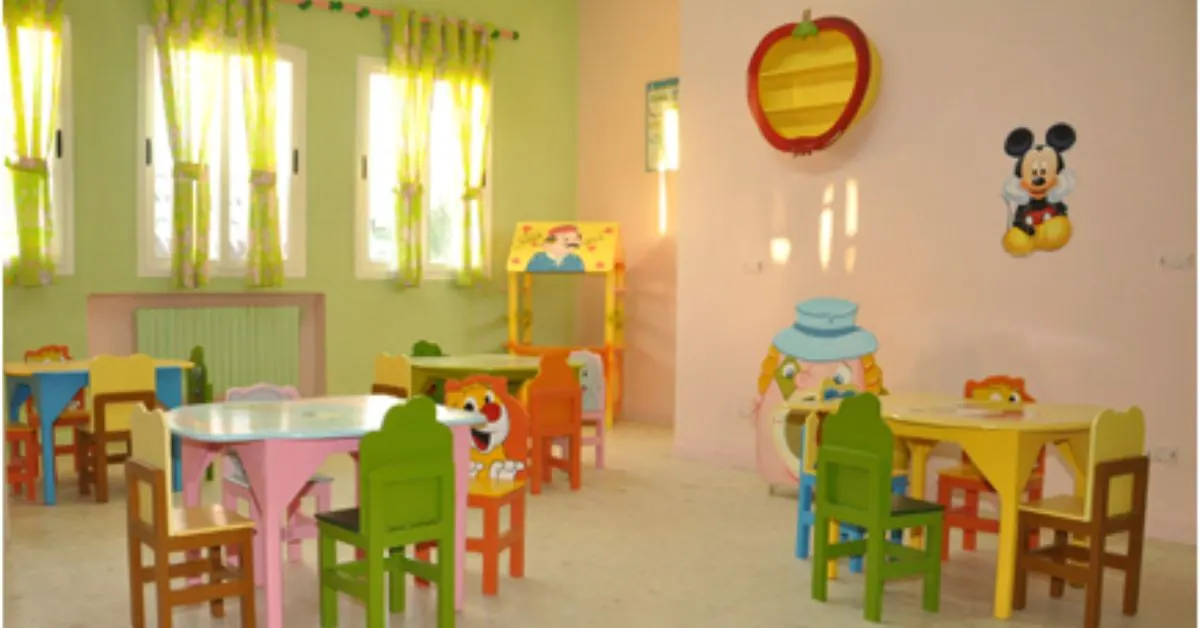
The National Agency for Risk Assessment in Tunisia has introduced a guide aimed at enhancing indoor air quality in institutions that host children. The guide seeks to identify pollution sources, evaluate risks, and implement preventive measures. It was launched on Wednesday in the capital, Tunis, and is part of efforts to prevent potential health risks associated with indoor air pollution. Children spend a significant part of their day in enclosed spaces, which can be affected by various factors.
The guide primarily targets schools, institutes, kindergartens, nurseries, and other spaces dedicated to receiving, guiding, and educating children. It provides simplified tools to assess air quality and adopt practical measures to establish good and sustainable practices. The guide includes key messages, preventive actions, and situations that require attention, along with tools for responsible individuals to conduct preliminary air quality assessments and determine pollution sources.
According to Mohamed Wessim El Hani, Director of Environmental Monitoring for Products at the agency, several factors contribute to indoor air pollution. These include poor ventilation, humidity, mold, fungi, and the materials used in enclosed spaces, such as paints, adhesives, furniture, and cleaning products. Other factors are dust, mites, heating and cooking appliances that can emit carbon monoxide, tobacco smoke, and pollution from the external environment.
Dr. Ines Hamzawi, head of the pulmonary and chest diseases department at Abdel Rahman Mami Hospital in Ariana, emphasized that indoor air pollution particularly affects children, women, the elderly, and people with respiratory issues. It can cause asthma attacks, coughing, allergies, breathing difficulties, and irritation of the eyes, nose, and throat. Prolonged exposure to polluted air during pregnancy can also impact the fetus, potentially leading to low birth weight and abnormal lung growth.
Dr. Hamzawi recommended regular ventilation of enclosed spaces, avoiding smoking indoors, and ensuring proper maintenance of heating, air conditioning, and ventilation systems. She also suggested limiting the use of products that release substances and odors into the air and regularly cleaning floors and surfaces to prevent the accumulation of dust, mites, and fungi.
Walid Neejga, Director General of Health, stressed that implementing the guide's recommendations is a shared responsibility among various stakeholders. He noted that protecting children from the risks associated with air pollution requires the combined efforts of different sectors and structures. The guide is seen as a first step toward developing and revising laws and regulations governing air quality in these institutions.
The guide's authors plan to translate it into Arabic, as it is currently available only in French, and make electronic copies available to various structures involved in childcare. This will help expand its use and support efforts to prevent risks associated with indoor air quality. The guide was developed by a working group comprising various stakeholders, experts, and specialists from public institutions and central departments under the Ministries of Health, Education, and Social Affairs.
Key points
- The guide provides practical tools for assessing and improving indoor air quality in childcare institutions.
- Indoor air pollution can cause serious health issues, particularly for children and vulnerable populations.
- The guide is part of a broader effort to develop and revise laws and regulations governing air quality in childcare institutions.