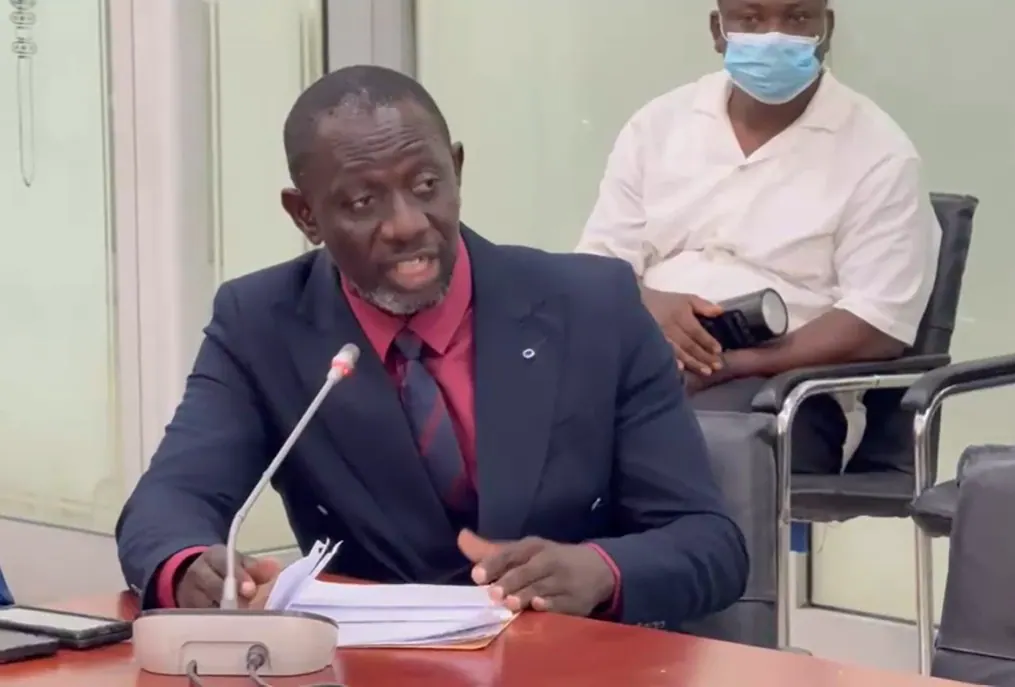
The Rent Control Department in Ghana has informed Parliament that the current rent laws, which have not been updated in a while, are significantly limiting its ability to protect both landlords and tenants effectively. This revelation came during the Parliament's Public Accounts Committee (PAC) review of the 2025 Auditor-General's Report. The department emphasized the need for an overhaul of the existing legislation to enable more efficient regulation of the rental sector.
The appeal for legislative action comes just a day after lawmakers praised the Rent Control Department's acting commissioner, Frederick Opoku, for taking tough action against hostel operators overcharging students in Koforidua and Sunyani. During the previous day's hearing, PAC members hailed Opoku as an 'action man' for his efforts in cracking down on overcharging hostels. However, in the latest appearance, the department highlighted that its enforcement efforts are constrained by outdated laws.
According to Acting Commissioner Frederick Opoku, one of the major challenges faced by the department is the low level of public awareness surrounding rent laws and regulations. He explained that many landlords and tenants are unaware of their rights, obligations, or the legal provisions that apply to them. This lack of awareness directly undermines the department's enforcement efforts, making it difficult to regulate the sector effectively.
Opoku also told the committee that the department has to tread carefully when enforcing certain provisions of the law due to private agreements and understandings already reached between landlords and tenants. The department has therefore stepped up public education efforts targeting property owners and tenants to help both sides better understand rent laws. However, Opoku stressed that greater public awareness alone is not enough without an updated legal framework to back it up.
The Rent Control Department's reliance on public education and case-by-case caution rather than a modernized set of rules has resulted in inconsistent protections for tenants and landlords across Ghana. Students renting hostel rooms, families renting homes, and property owners managing tenancy agreements all operate under rent legislation that the department itself says has not kept pace with current practices.
The Public Accounts Committee is a parliamentary body responsible for scrutinizing how public funds are used, drawing on findings from the Auditor-General. The Rent Control Department is the government agency mandated to regulate rent charges and tenancy relationships between landlords and tenants, including the pricing of student hostels. The committee's review of the 2025 Auditor-General's Report is ongoing, and it remains unclear whether a formal recommendation on amending the rent laws will be made.
The sources do not provide a timeline for when Parliament might take up amendments to the rent laws or specify what changes the Rent Control Department is seeking. Until Parliament acts on amendments, the department will continue to face challenges in effectively regulating the rental sector. The department's efforts to engage with Parliament and push for updated legislation reflect its commitment to improving the regulatory framework for rent charges and tenancy relationships in Ghana.
Key points
- The Rent Control Department urges Parliament to expedite amendments to outdated rent laws to enhance its ability to protect landlords and tenants effectively.
- The department faces challenges in enforcing rent laws due to low public awareness and private agreements between landlords and tenants.
- The outdated rent laws have resulted in inconsistent protections for tenants and landlords across Ghana, necessitating a modernized legal framework.