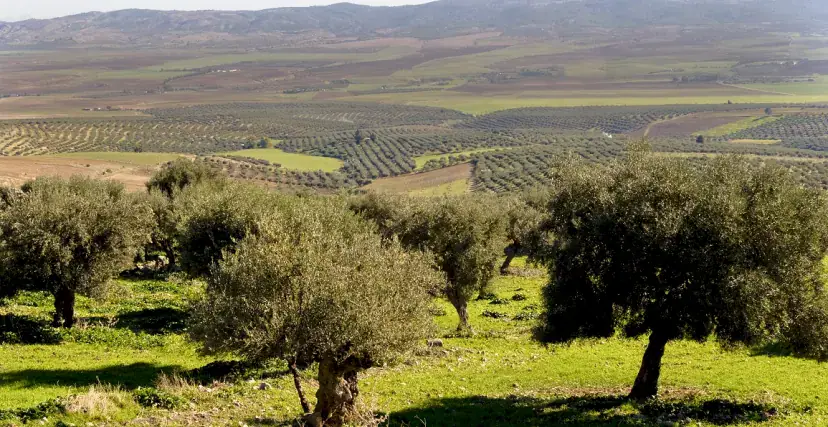
On November 10, 2026, a scientific international meeting was held in the city of Sousse, Tunisia, to launch the "Ecological Agricultural Innovation for Sustainable and Resilient Mediterranean Olive Farming" project. This initiative is part of the Partnership for Research and Innovation in the Mediterranean Area (PRIMA) program. The project aims to contribute to the ecological transition of olive farming in the Mediterranean region.
The project's supervisor, Khaled Haybar, stated that the project will last for three years. Its primary objective is to promote sustainable olive farming practices in the Mediterranean region by focusing on intercropping, valorizing agricultural waste, and rational water management. The project will involve field trips to various regions in Tunisia to assess the current state of agricultural exploitation and identify areas for improvement.
As part of the project, model fields will be established, incorporating the latest technological advancements in irrigation management and disease control. The goal is to enhance the resilience and productivity of olive farming in the region. By adopting innovative practices, the project aims to improve the overall sustainability of olive farming in Tunisia and the Mediterranean region.
Tunisia has a significant olive farming sector, with 30,000 hectares of olive trees, according to recent estimates. The country's olive oil production is expected to reach 9,300 tons this season. The project will focus on improving agricultural practices, increasing productivity, and promoting sustainable water management.
The launch of this project is part of a broader effort to promote sustainable agriculture and ecological innovation in Tunisia. Similar initiatives have been implemented in other regions, such as the investment program for the public agricultural sector in Banzart, which aims to improve the productivity of the "Friteeza" farm.
The project's implementation will involve collaboration with various stakeholders, including farmers, researchers, and local authorities. The goal is to create a network of sustainable olive farming practices that can be replicated across the Mediterranean region.
The "Ecological Agricultural Innovation for Sustainable and Resilient Mediterranean Olive Farming" project is an important step towards promoting sustainable agriculture and reducing the environmental impact of olive farming. By adopting innovative practices and technologies, Tunisia aims to improve the resilience and productivity of its olive farming sector.
Key points
- The project aims to promote sustainable olive farming practices in the Mediterranean region by focusing on intercropping, valorizing agricultural waste, and rational water management.
Reporting sources
- Radio Tunis · Radio Tunis