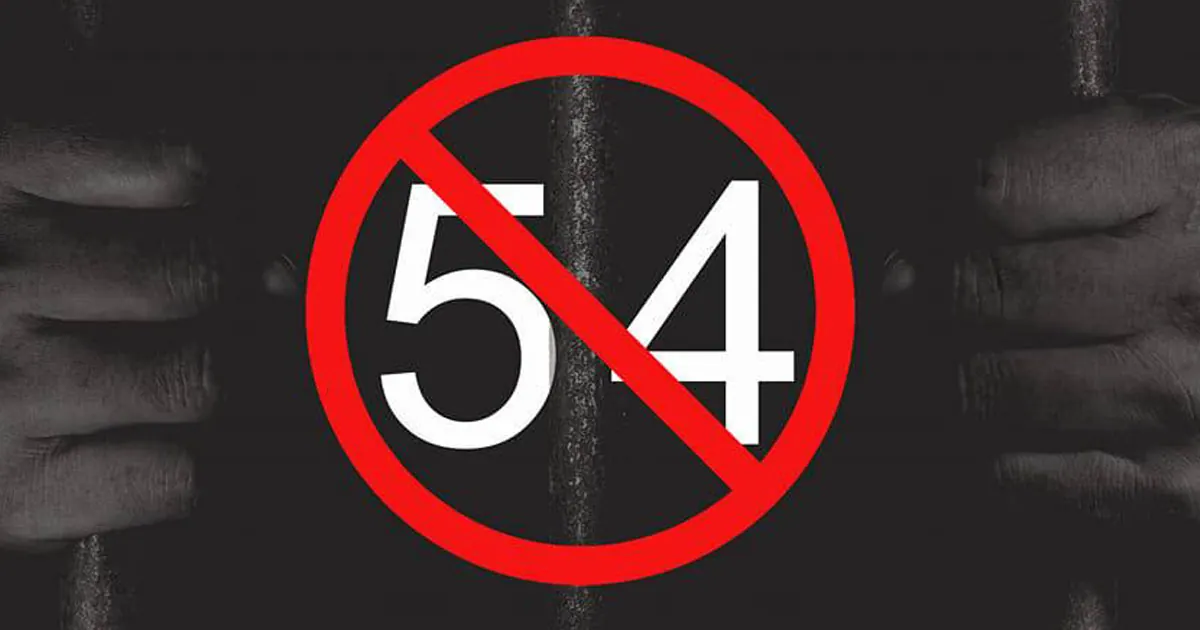
On September 30, 2026, Tunisia's government published a new decree-law that modifies Article 24 of the existing decree-law No. 54, which deals with offenses related to information and communication systems. The new text replaces previous provisions and introduces significant changes to the sanctions regime for certain online publications and communications. According to the new decree-law, the first offense for certain acts will be punishable by a fine of 10,000 to 20,000 dinars, rather than imprisonment.
The new decree-law also provides for increased penalties for repeat offenders, including six months' imprisonment and a fine of 50,000 dinars. Additionally, sanctions will be doubled if the person targeted is a public official or an assimilated person. These changes aim to regulate online content and communication, particularly in cases involving the spread of false information, data, or rumors. The decree-law targets the production, dissemination, transmission, or intentional preparation of false information, as well as the use of personal data or inaccurate facts that harm others or damage a person's reputation.
The new regulations reflect the growing importance of digital trust in Tunisia's economy and society. With the increasing use of social media, online communication, and e-commerce, the government aims to create a safer and more reliable online environment. According to Abdelwaheb Ben Moussa, the new decree-law is an opportunity to discuss the broader issue of building a digital environment based on freedom of use, responsibility, security, and trust.
The rapid development of information and communication systems has transformed the way people interact, access information, and conduct economic and social activities. Online information can now be accessed instantly by a large number of people, and personal data can circulate beyond its initial context. This has raised concerns about the spread of misinformation, data protection, and cybersecurity.
The new decree-law is part of a broader effort to promote digital literacy and responsibility in Tunisia. As digital technologies become increasingly prevalent, citizens, businesses, and administrations need to develop the skills to verify information, identify sources, and distinguish between facts and interpretations. This includes recognizing manipulated content and understanding the potential consequences of sharing it online.
The use of artificial intelligence (AI) tools has further complicated the issue, as they can produce and disseminate content quickly and easily. While AI can bring many benefits, such as improved education, business, and administration, it also raises concerns about the verification of information and the potential for manipulation. To address these challenges, Tunisian organizations and individuals need to develop a culture of digital responsibility and verification.
The new decree-law and the broader effort to promote digital literacy and responsibility reflect the need for a comprehensive approach to digital governance in Tunisia. This includes not only regulations and sanctions but also education, awareness-raising, and the development of skills and competencies for safe and responsible online behavior. By promoting digital trust and responsibility, Tunisia can create a more reliable and secure online environment that supports economic and social development.
Key points
- The new decree-law introduces significant changes to the sanctions regime for online offenses in Tunisia.
- The regulations aim to promote digital trust and responsibility in Tunisia's economy and society.
- The decree-law is part of a broader effort to promote digital literacy and verification skills in Tunisia.